

RTX 5090 Power Mod Splits 12VHPWR Load to Prevent Melting
Custom pickup PCB routes excess current to an auxiliary dual eight-pin board, keeping sustained 550W loads well below thermal danger zones.
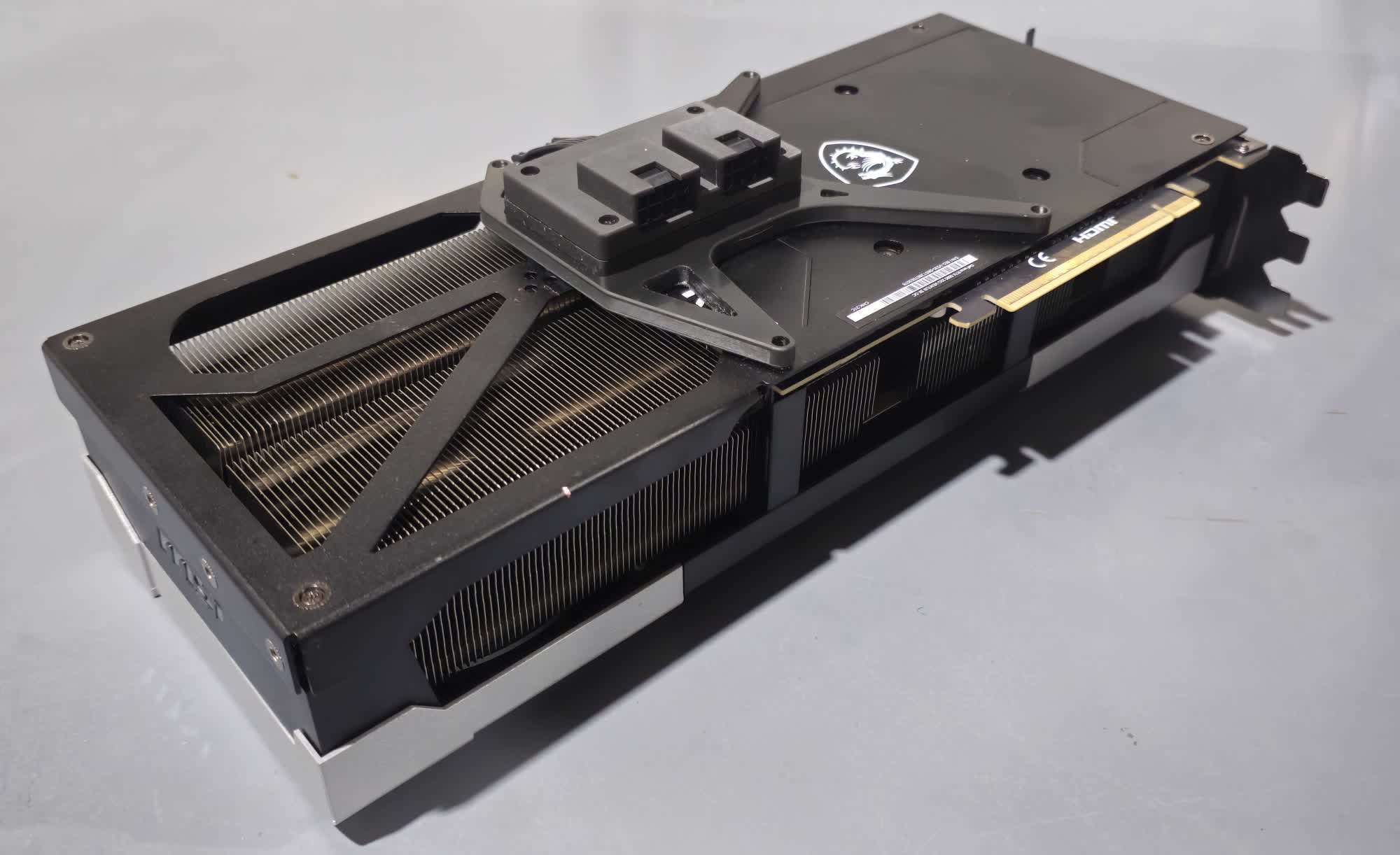
A hardware cooling specialist has engineered a circuit-level workaround for the Nvidia RTX 5090 that redistributes power delivery away from the flagship GPU’s vulnerable 12VHPWR connector, directly targeting the thermal failures that have plagued high-end graphics cards since late 2022.
The modification, detailed by Reddit user DallasGrave, relies on a custom pickup printed circuit board soldered directly to the contacts of the stock 12VHPWR header. Rather than forcing up to 600 watts through a single compact interface, the pickup PCB routes excess current to an auxiliary dual eight-pin board. By splitting the electrical load across three distinct cable sets, the system dramatically lowers the amperage passing through any individual contact point.
Stress testing validated the thermal reduction. The modified RTX 5090 ran at a sustained 550W draw for 48 consecutive hours. Throughout the test, cable temperatures remained below 40 degrees Celsius, with the solder joints themselves showing no signs of heat accumulation.


DallasGrave is affiliated with Grave PC, a firm focused on CPU and GPU cooling alongside compact system integration. The company plans to offer the conversion as a paid service for existing RTX 5090 owners, backed by a warranty. More significantly, the modder claims a partnership with PNY Technologies, suggesting future retail PNY graphics cards could ship from the factory with this power-delivery architecture already integrated.
The root cause of the vulnerability lies in the physical limitations of the 12V-2×6 specification, which evolved from the original 12VHPWR standard introduced with the RTX 40-series. While the updated connector added slightly longer sense pins to prevent improper seating—a primary culprit behind early melting incidents—the fundamental current density remains extreme. DallasGrave argued that replacing the header with a higher-current-rated component fails to solve the problem because the cables themselves are the weak link, asserting the connector should never have been certified for loads exceeding roughly 350 watts.
That threshold aligns closely with how other manufacturers have handled the specification’s risks. AMD’s competing RDNA 3 flagship, the RX 7900 XTX, entirely bypassed the 12VHPWR standard in favor of traditional dual eight-pin connectors to avoid the controversy. Meanwhile, Nvidia’s own Founders Edition RTX 5090 continues to rely on the single 16-pin interface, leaving third-party board partners and end users to manage the thermal realities of pushing 575W or more through a connector smaller than legacy plugs.
Previous community attempts to bypass the connector’s limits have lacked commercial viability. Earlier this year, Brazilian overclocking channel TecLab demonstrated a functional but visually crude method involving direct wire soldering to the GPU PCB. Unlike those one-off experiments, the Grave PC approach is designed as a universal template applicable across multiple board partner designs without permanently altering the primary graphics card circuitry.
PNY currently lists several RTX 5090 models in its lineup, including the triple-fan XLR8 Gaming Verto Epic-X and the blower-style Verto variants aimed at workstation environments. No timeline has been announced for when factory-modified units carrying the auxiliary power distribution might reach retail channels.









