

ADP Data: Worker Trust in Leaders Drives Engagement
Internal research shows a 1% drop in engagement drives a 45% spike in voluntary turnover, shifting accountability to the C-suite.
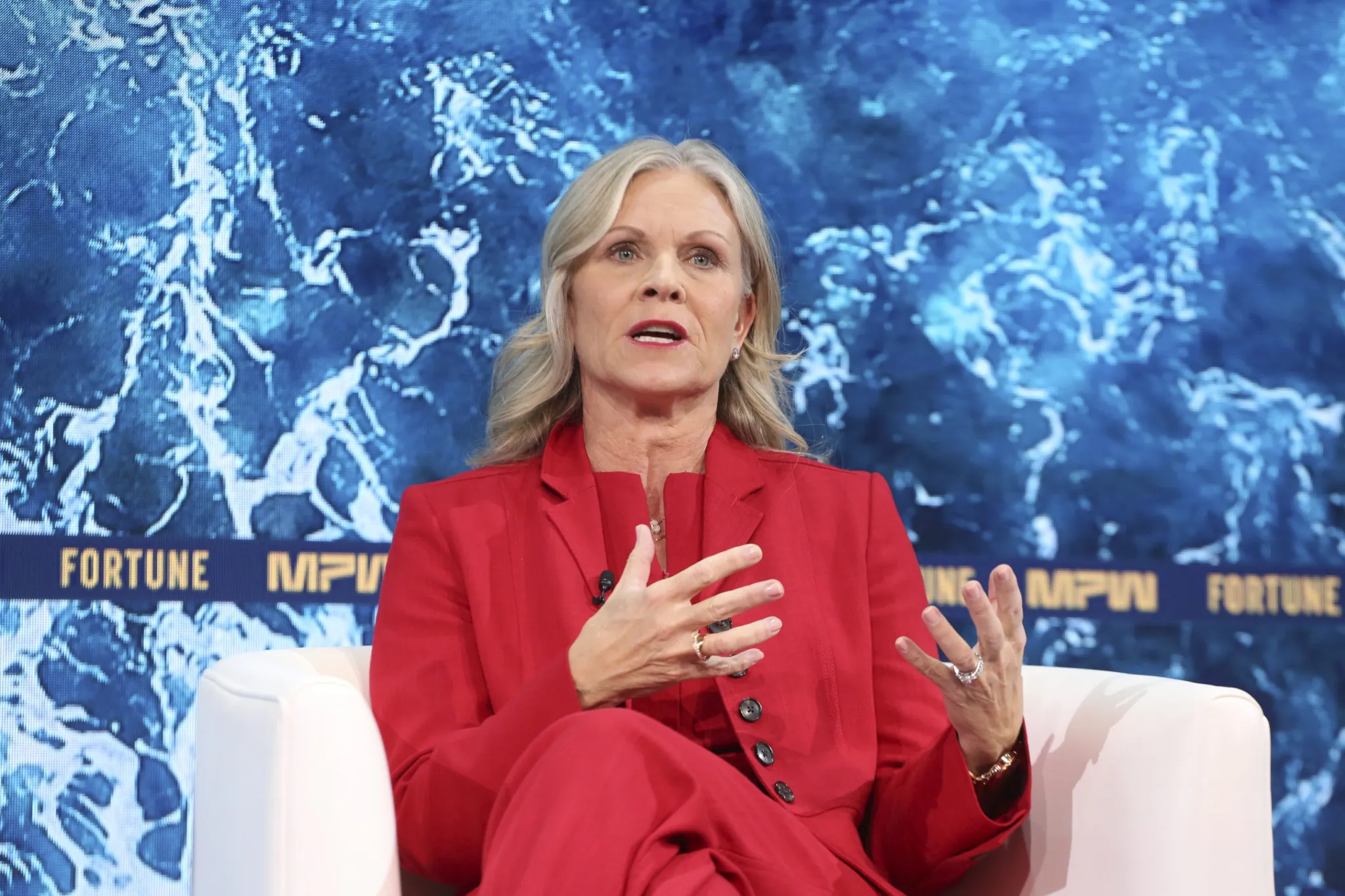
Only 30% of the global workforce is fully engaged, a stagnation that ADP CEO Maria Black attributes directly to a deficit of trust in corporate leadership rather than worker apathy. Speaking at Fortune’s Most Powerful Women Summit in California this week, Black presented internal data showing that employees who trust their peers are 60% more likely to be highly engaged, while trust specifically in CEOs and senior executives yields a 41% engagement lift.
The findings challenge a persistent management narrative that treats employee disengagement as an individual behavioral failure or a symptom of generational shifts in work ethic. Instead, the metrics place the burden squarely on executive teams. For organizations struggling with retention, the financial stakes are steep: ADP Research Institute data indicates that every 1% decline in full engagement correlates with a 45% increase in voluntary attrition.
This dynamic plays out against a backdrop of historically low confidence in corporate institutions. Gallup’s long-running State of the Global Workplace report has consistently placed U.S. employee engagement near 33%, a figure that has barely moved over the past decade despite billions spent annually on perks, wellness programs, and culture initiatives. The persistence of that number suggests that traditional engagement strategies often fail because they target sentiment without addressing the underlying relational infrastructure between workers and management.


Black, who joined ADP as a sales associate in 1996 before becoming its seventh CEO in 2023, argued that information saturation is accelerating the erosion of workplace trust. Employees now navigate algorithmic echo chambers, rapid-fire news cycles, and the increasing difficulty of distinguishing human communication from AI-generated content. When external environments breed skepticism, internal corporate communications face heightened scrutiny.
To counteract that distance, Black said she relies on direct field contact rather than dashboard analytics alone. Her recent schedule included meetings with 1,000 company leaders in Las Vegas and informal employee sessions in Florida, tactics aimed at maintaining proximity to the payroll and human capital firm’s operational realities across its client base spanning more than 1 million organizations in 140 countries.
That proximity is increasingly tied to how companies handle technological disruption. As generative AI tools integrate into daily workflows, Black noted that workers broadly feel unprepared by their employers for the transition. Unlike previous waves of enterprise software adoption that were mandated top-down, the current AI expansion relies heavily on individual worker agency—whether employees actually choose to incorporate these tools into their routines.
The potential upside involves using AI to broaden individual expertise beyond narrow job descriptions, theoretically opening pathways to higher compensation through expanded responsibilities. But realizing that outcome requires active managerial guidance rather than passive technology deployment.
ADP processes payroll for roughly one in six private-sector workers in the United States, giving its research arm a macroeconomic vantage point on labor trends that few other firms possess. The company’s latest workforce reports continue to track the widening gap between executive expectations for AI adoption and the actual readiness levels reported by frontline staff heading into the fourth quarter of 2026.









