Record $850M Bills Stadium Subsidy Fuels NFL Ticket Price Surge
Smallest NFL Venue Opens With Highest Public Subsidy Amid Rising Fan Costs
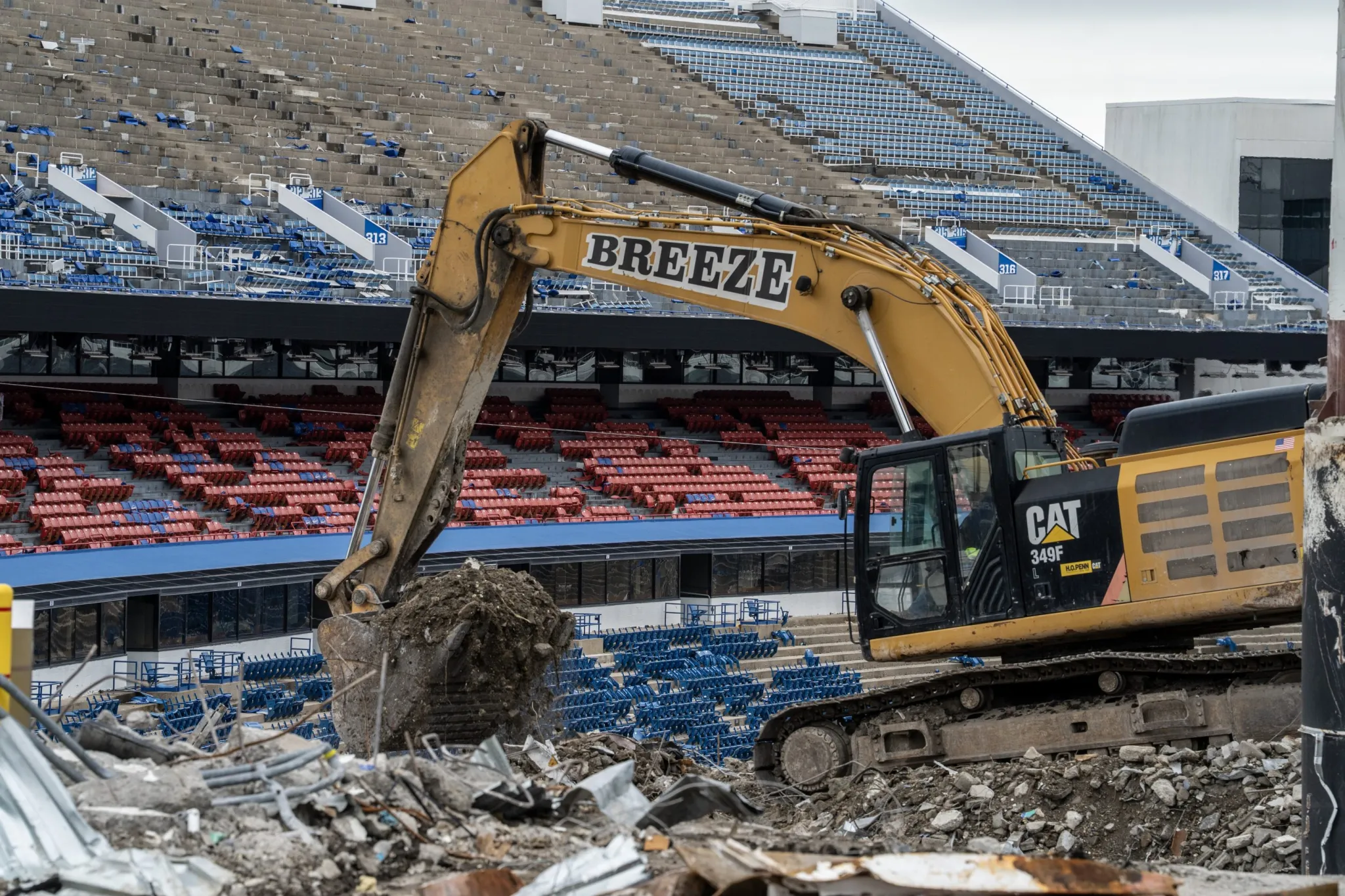
The Buffalo Bills will open Highmark Stadium this September with 60,108 seats, making it the smallest venue in the National Football League. Despite a capacity reduction of more than 11,500 seats compared to the team’s previous home, New York State and Erie County committed $850 million in public funds to the project—the largest taxpayer subsidy ever awarded for an NFL facility. Resale tickets for opening night have already reached $663, while personal seat licenses required to purchase season tickets range up to $50,000.
This pricing structure reflects a deliberate shift in stadium economics rather than simple inflation. Modern venue design prioritizes premium inventory over general admission because league revenue-sharing rules exempt luxury suites and club seats from pooling. While national television and merchandise revenues are distributed equally among teams, owners retain 100% of premium seating income. This creates a direct financial incentive to reduce overall capacity and replace lower-priced bleachers with high-margin hospitality products that cater to corporate clients and affluent fans.
Adjusted for inflation, average NFL ticket prices increased 173% between 2015 and 2025. The Kansas City Chiefs’ planned new stadium is expected to follow a similar blueprint, reducing capacity by approximately 15% relative to Arrowhead Stadium. Across Major League Baseball, the NBA, and the NFL, new construction consistently delivers fewer total seats but significantly higher per-capita revenue through exclusive amenities and constrained supply.

Public contributions to professional sports infrastructure have accelerated alongside these design changes. State and local governments spent $33 billion on major-league venues between 1970 and 2020, with taxpayers covering a median of 73% of construction costs. Proposed subsidies exceeded $13 billion in 2024 alone. Economic research spanning three decades indicates these investments rarely generate promised returns; a 2017 survey found 80% of economists believe stadium subsidy costs outweigh benefits, as spending typically displaces other local entertainment dollars rather than creating net new economic activity.
The dynamic extends beyond domestic leagues. FIFA raised prices for more than 90 of 104 World Cup matches between October 2025 and April 2026, with main ticket categories increasing an average of 34%. Attorneys general in New York and New Jersey have subpoenaed the organization over alleged artificial price inflation and seat-location misrepresentation. In response to affordability concerns, New York allocated $6 million for free public watch parties, effectively using additional taxpayer funds to provide access to events that public stadium subsidies helped make unaffordable for many residents.
Secondary market dynamics further compound accessibility issues. When publicly funded venues price tickets below equilibrium demand, automated bots and resale platforms capture the surplus value. Transaction fees on secondary sales typically extract 25% to 35% of the ticket price. A federal jury ruled in April 2026 that Live Nation held an illegal monopoly over the live events industry, highlighting how opaque fee structures persist despite antitrust scrutiny.
Municipal competition for franchises mirrors broader economic development bidding wars where incentives often exceed actual leverage. Amazon’s 2018 HQ2 search saw New Jersey offer $7 billion and Maryland pledge $8.5 billion, yet executives ultimately cited workforce quality over tax breaks when selecting New York. Similarly, data center tax exemptions in Ohio cost nearly $1.6 billion in fiscal 2025 against a $136 million projection, prompting the state to suspend the program. Economists note that Buffalo was never at genuine risk of losing the Bills, suggesting the $850 million subsidy functioned as insurance against a relocation threat that lacked credible market alternatives.
Highmark Stadium’s inaugural season begins with regular-season home games scheduled through January 2027.