Pope Leo XIV Condemns Death Penalty as U.S. Plans First Livestreamed Military Execution Since 1961
First livestreamed military execution in modern U.S. history collides with Vatican's absolute opposition to capital punishment
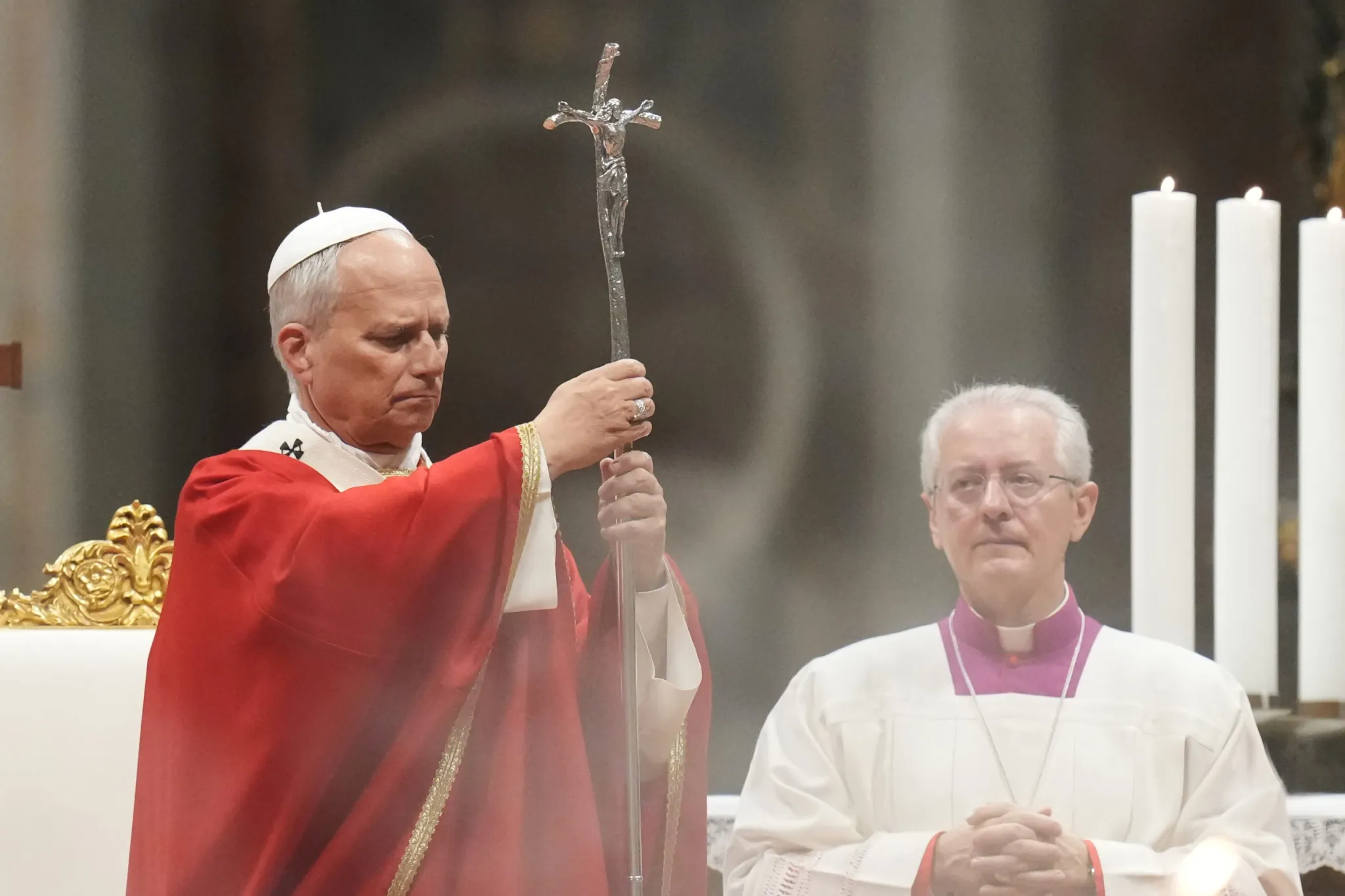
Pope Leo XIV marked the World Day Against the Death Penalty on Saturday by declaring capital punishment “inadmissible” under Catholic teaching, a statement that landed hours after the Pentagon announced it would livestream the December execution of Nidal Malik Hasan at Fort Hood — the first military execution in the United States since 1961 and the first ever broadcast to the public.
The convergence underscored a deepening divide between the Vatican’s absolute opposition to state-sanctioned killing and the United States’ outlier status among Western democracies in retaining the death penalty. Leo, the first American pope, quoted the 2018 revision to the Catechism of the Catholic Church ordered by Pope Francis, which declared the death penalty an attack on “the inherent dignity of a human being” and asserted that modern prison systems can protect society without extinguishing the possibility of redemption.
“Effective systems of detention have been developed that protect citizens while at the same time do not completely deprive those who are guilty of the possibility of redemption,” the pontiff wrote on his official X account, @Pontifex, appending the hashtag #NoDeathPenalty.


The Pentagon disclosed Thursday that Hasan, an Army psychiatrist convicted of killing 13 people and wounding 32 in the November 2009 shooting at Fort Hood, is scheduled to face a firing squad on December 3. The military has not carried out an execution since 1961, when Army Private John Bennett was hanged for rape and attempted murder. Hasan has been on military death row at Fort Leavenworth since his 2013 court-martial conviction.
President Donald Trump told reporters Saturday he would make the final decision on whether the livestream proceeds. The announcement of a public broadcast — unprecedented in modern U.S. execution history — drew immediate condemnation from the highest levels of the Catholic Church.
Cardinal Pietro Parolin, the Vatican secretary of state and Leo’s top deputy, called the plan “truly incomprehensible” and “unacceptable to turn death into a spectacle.” Speaking to Vatican News, Parolin said: “The Church’s position is one of total opposition to the death penalty; it is incompatible with human dignity and serves as no deterrent… It is certainly unacceptable to turn death into a spectacle; even if the person is guilty, of course, there are other methods.”
Archbishop Paul Coakley of Oklahoma City, president of the U.S. Conference of Catholic Bishops, expressed “shock” and “great sorrow,” calling the Pentagon’s decision “a barbaric promotion of a culture of death” that “will only further undermine the moral fabric of our nation.”
The firing squad method itself has seen a revival in recent years. South Carolina, Utah, Idaho, and Mississippi have authorized or used firing squads as lethal injection drugs have become scarce due to pharmaceutical companies’ objections. Utah carried out the most recent U.S. firing squad execution in 2010. The military’s last firing squad execution was in 1961.
Legal scholars note that livestreaming an execution raises novel First Amendment and Eighth Amendment questions. Courts have generally rejected media requests to broadcast executions, citing the privacy interests of the condemned and the risk of turning punishment into spectacle. The Pentagon has not detailed how the broadcast would be managed or who would have access.
Leo XIV has made prison ministry a signature of his early papacy, visiting the notorious Bata prison in Equatorial Guinea in April and telling inmates: “If any of you fear being abandoned by everyone, know that God will never abandon you, and that the church will stand by your side.” He is scheduled to visit a prison in Buenos Aires during an upcoming Latin America tour.
The 2018 catechism change marked a decisive break from centuries of Catholic teaching that permitted capital punishment in rare cases where it was “the only possible way of effectively defending human lives against the unjust aggressor.” St. John Paul II had urged an end to the practice but stopped short of declaring it intrinsically inadmissible.
Globally, 112 countries have abolished the death penalty for all crimes, and 144 have abolished it in law or practice, according to Amnesty International. The United States remains the only G7 nation to retain it, executing 24 people in 2023 across five states. The military has not executed a service member in over six decades.
Trump said Saturday he would decide “ultimately” on the livestream, with the execution date less than six weeks away.