

Thailand Crypto ETF Rules Take Effect as Retail Access Opens
New rules restrict overseas crypto ETF access to institutions while allowing retail traders to buy domestic Bitcoin and Ether funds.
Retail investors in Thailand gained legal access to domestically listed Bitcoin and Ether exchange-traded funds on Friday as new regulations took effect on the Stock Exchange of Thailand, though industry analysts project initial capital inflows will remain measured.
The regulatory framework establishes a two-tiered market structure. Thai retail participants can purchase locally listed crypto ETFs once issuers secure final approvals and operational infrastructure. Conversely, domestic brokerages face strict limitations when routing client capital toward overseas crypto ETFs, restricting those cross-border products to institutional buyers and ultra-high-net-worth individuals.
This bifurcated approach reflects a broader strategy by Southeast Asian regulators to keep digital asset trading within supervised domestic channels while limiting retail exposure to foreign-domiciled funds that fall outside local jurisdictional oversight.

James Butterfill, head of research at CoinShares, estimated that realistic starting inflows for the first Thai products would likely reach tens of millions of U.S. dollars rather than the billions recorded during the January 2024 launch of spot Bitcoin ETFs in the United States. The U.S. market benefited from deep institutional liquidity pools and a massive existing base of traditional brokerage clients who had previously lacked regulated avenues for direct crypto exposure—conditions that differ significantly from Thailand’s current financial landscape.
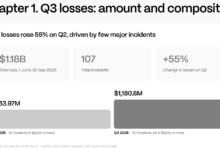
Hong Kong provides a direct precedent for how major Asian financial centers struggle to capture significant market share in this sector despite favorable regulatory environments. When Hong Kong authorized spot Bitcoin and Ether ETFs in April 2024, expectations were high. Yet as of late September 2026, the city holds just $733 million in crypto exchange-traded product assets, representing 0.42% of the $172.9 billion global total. That data suggests geographic proximity to digital asset adoption hubs does not automatically translate into ETF dominance.
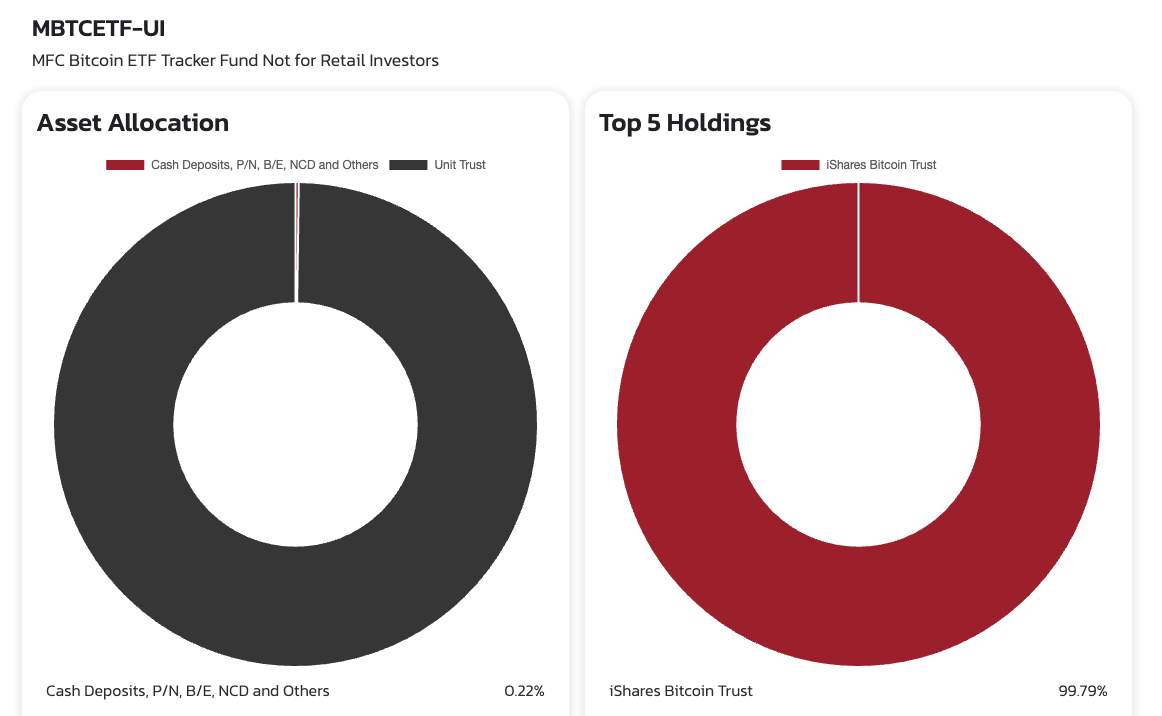
Thai asset managers have already spent two years testing investor appetite through indirect structures, potentially cannibalizing demand for the newly permitted direct listings. MFC Asset Management launched its Bitcoin ETF Tracker Fund (MBTCETF-UI) in 2024, which routes capital directly into BlackRock’s iShares Bitcoin Trust (IBIT), the largest spot Bitcoin ETF globally by assets under management.
ONE Asset Management also secured approval for a Bitcoin ETF-linked fund that same year, becoming the first Thai firm to clear that regulatory threshold. Because these feeder funds already provide synthetic exposure to U.S.-listed products, new domestic issuers must convince investors to migrate their capital or attract entirely new participants who previously avoided indirect structures due to layered fee arrangements.
Neither MFC nor ONE has publicly confirmed timelines for converting their strategies into directly listed spot products on the Stock Exchange of Thailand. Issuers must still finalize digital asset custody agreements—a process that requires partnering with qualified custodians capable of securing private keys under Thai Securities and Exchange Commission standards—and complete distribution logistics before trading can commence.
Thailand’s crypto regulatory environment has evolved rapidly following the Digital Asset Business Decree enacted in 2018. The country now hosts multiple licensed exchanges, including Bitkub, which commands significant local trading volume. However, the Bank of Thailand has historically maintained a cautious stance regarding cryptocurrency use for payments, creating a distinct separation between investment-grade digital assets and transactional currency frameworks that continues to shape how institutional players approach ETF structuring.
CoinShares data indicates that global crypto ETP outflows recently accelerated, with Bitcoin-focused funds shedding $261 million in a single week ending early October 2026, even as niche products tracking XRP registered net inflows against the broader trend.









