
How the Houthis Built a Global War-Financing Network
Iranian oil, cryptocurrency, and foreign trade links sustain Houthi power around the Red Sea
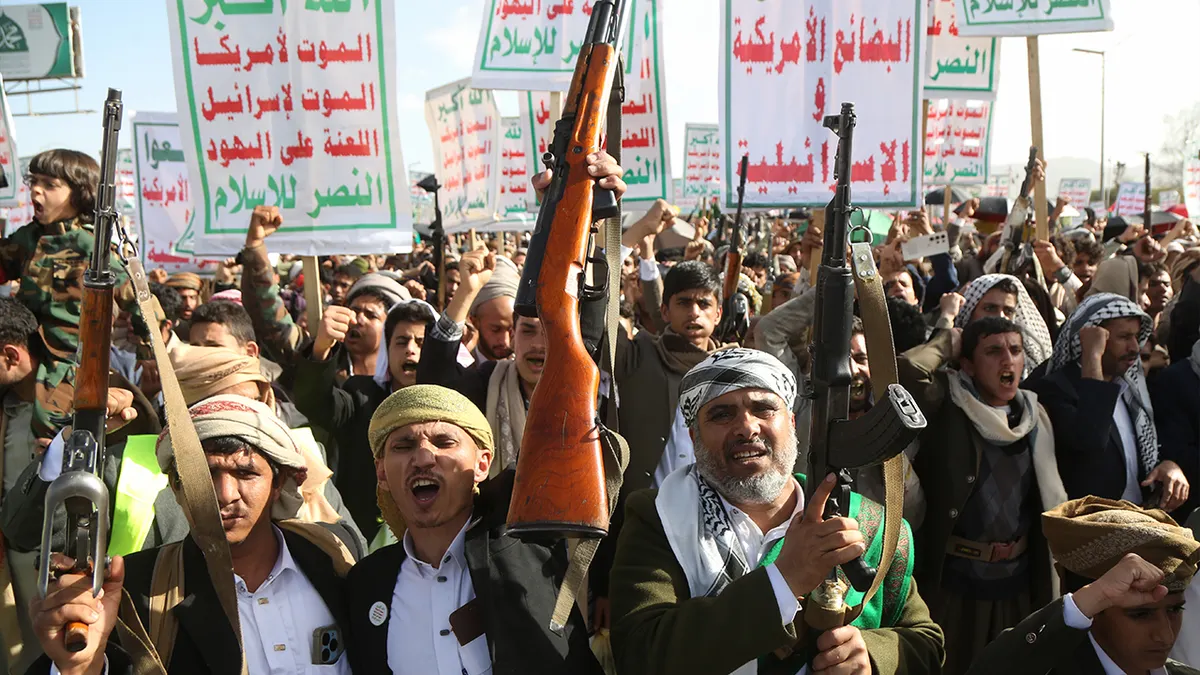
WASHINGTON — The Houthis, officially known as Ansar Allah, have turned territorial control in Yemen into a self-sustaining financial base capable of projecting power against global maritime commerce. Their system combines domestic taxation, port extortion, foreign clearing mechanisms, digital asset wallets, informal exchange networks, and maritime transfers across the Middle East, Southeast Asia, and Russia.
Since taking control of Sana’a in September 2014 and forcing the internationally recognized government to relocate, Ansar Allah has institutionalized control over public state revenues, tax authorities, and national infrastructure. Military intervention by a Saudi-led coalition began in 2015, followed by international sanctions, but the movement adapted its administrative and financial practices and established a durable framework outside international regulatory channels.

Miad Maleki, a senior fellow at the Foundation for Defense of Democracies, described the Houthis as fundamentally “sanctions-adapted.” More than $2 billion is generated annually through petroleum transactions, according to U.S. Treasury estimates. Those transactions are supported by regular monthly crude shipments from Iran through companies operating out of Dubai.
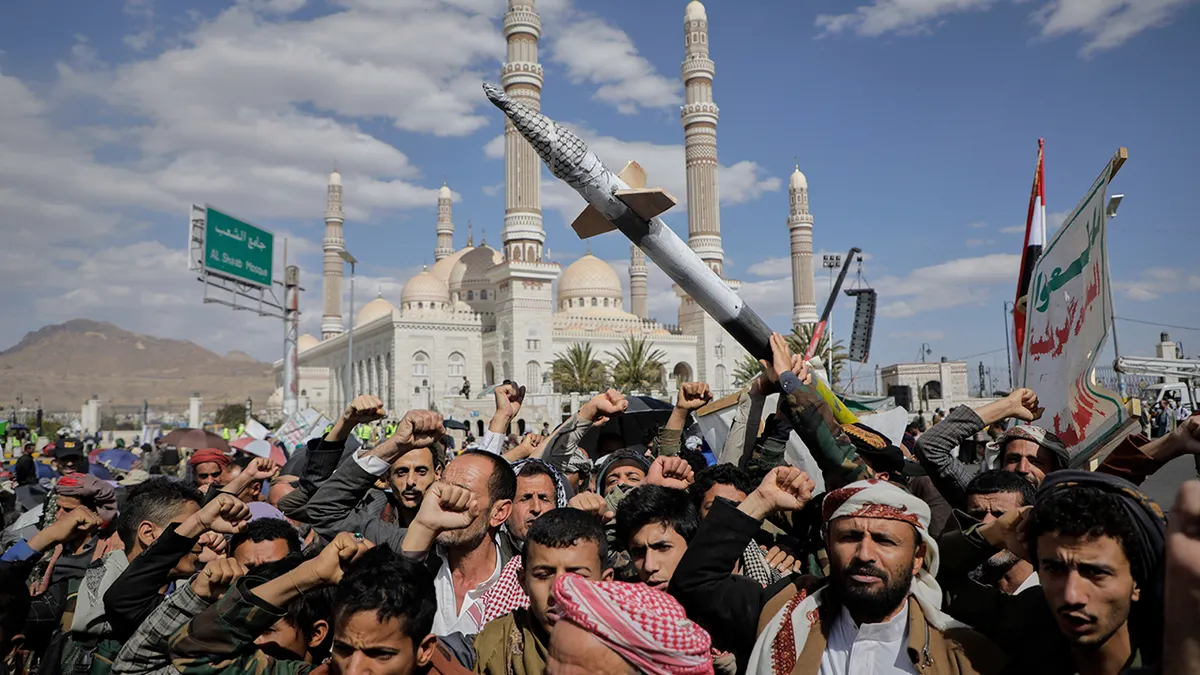
The primary share of Houthi revenue originates inside Yemen through customs duties, transit fees, and fuel surcharges imposed at major Red Sea maritime facilities, including the ports of Hodeidah and Ras Isa, and at inland checkpoints along internal trade routes. Central Sana’a exchange houses and Yemeni banking entities process payments for dual-use components and specialized equipment.
A separate financial channel is managed by Sa’id al-Jamal, an Iran-based Houthi financial official designated by the U.S. Department of the Treasury’s Office of Foreign Assets Control (OFAC). Through front companies and intermediary exchange houses in the United Arab Emirates, Turkey, and Oman, the al-Jamal network sells Iranian petroleum and commodities on international markets and sends tens of millions of dollars in net proceeds to Houthi operational accounts.
Foreign correspondent banking relationships in neighboring jurisdictions, particularly Oman and the United Arab Emirates, often provide the clearing required for regional transactions. The broader network is embedded in the Iranian economy rather than relying solely on direct cash subsidies from Tehran, using foreign facilitators and informal exchange systems to bypass Western banking restrictions.
In April 2025, U.S. Treasury enforcement actions found that the al-Jamal network had procured advanced weaponry and commercial supplies from suppliers in Russia. A 2025 study for the Global Network on Extremism and Technology (GNET), conducted by Adam Rousselle, founder of Between the Lines Research, examined blockchain records and identified eight digital-asset wallets controlled by Houthi-linked financial operators. Those wallets routed nearly $900 million in outflows through cryptocurrency platforms.
Russian petroleum products have also been transferred through ship-to-ship operations into Houthi-controlled tankers before being offloaded at the Red Sea port of Ras Isa. On Sept. 1, testimony before the House Foreign Affairs Committee from Nadwa Al-Dawsari, an associate fellow at the Middle East Institute, detailed how Russian entities provided targeting intelligence that helped Houthi forces locate Western merchant shipping in the Red Sea.
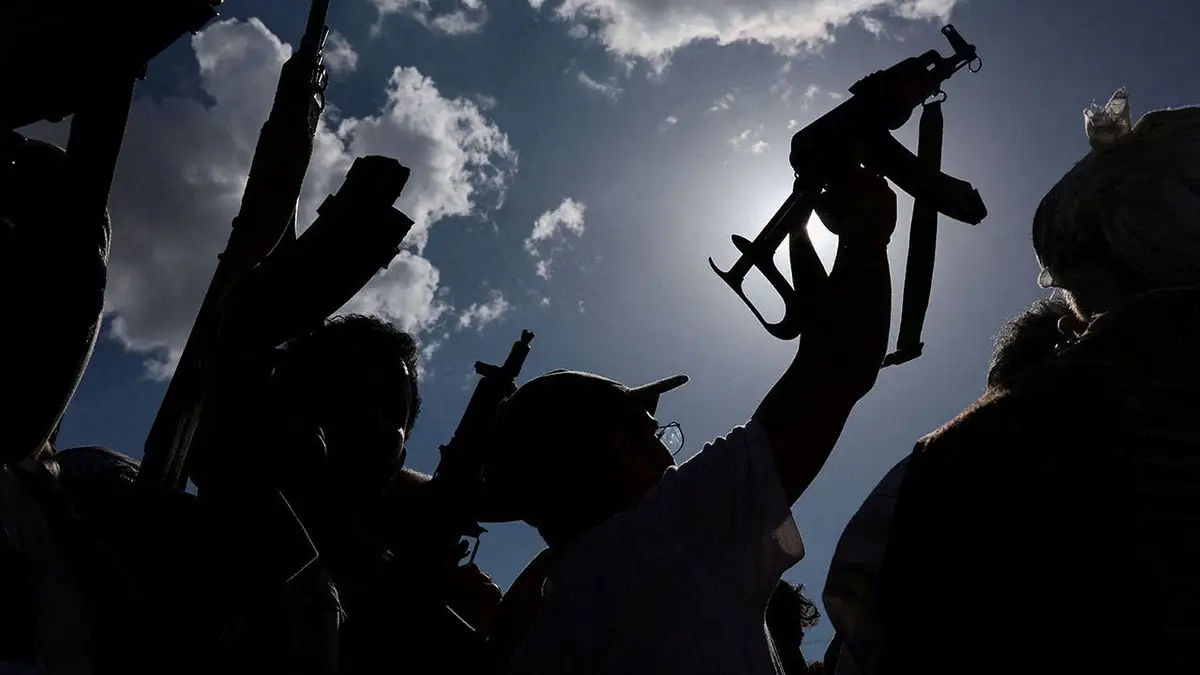
Chinese commercial actors play a dominant role in the Houthi weapons manufacturing program, according to supply chain analysis presented to Congress. Interdiction data indicates that approximately 60 percent of the components and structural materials used to assemble the Houthi Qasef-2K originate from Chinese commercial manufacturers, compared with roughly 15 percent sourced directly from Iran. The Qasef-2K is a loitering munition equipped with a high-explosive warhead derived from Iran’s Ababil-2 design.
U.S. officials also identified a Chinese satellite firm with military affiliations that supplied satellite reconnaissance imagery used to target naval vessels and commercial ships. Iranian crude shipments handled through the network routinely supply independently owned “teapot” refineries in China.
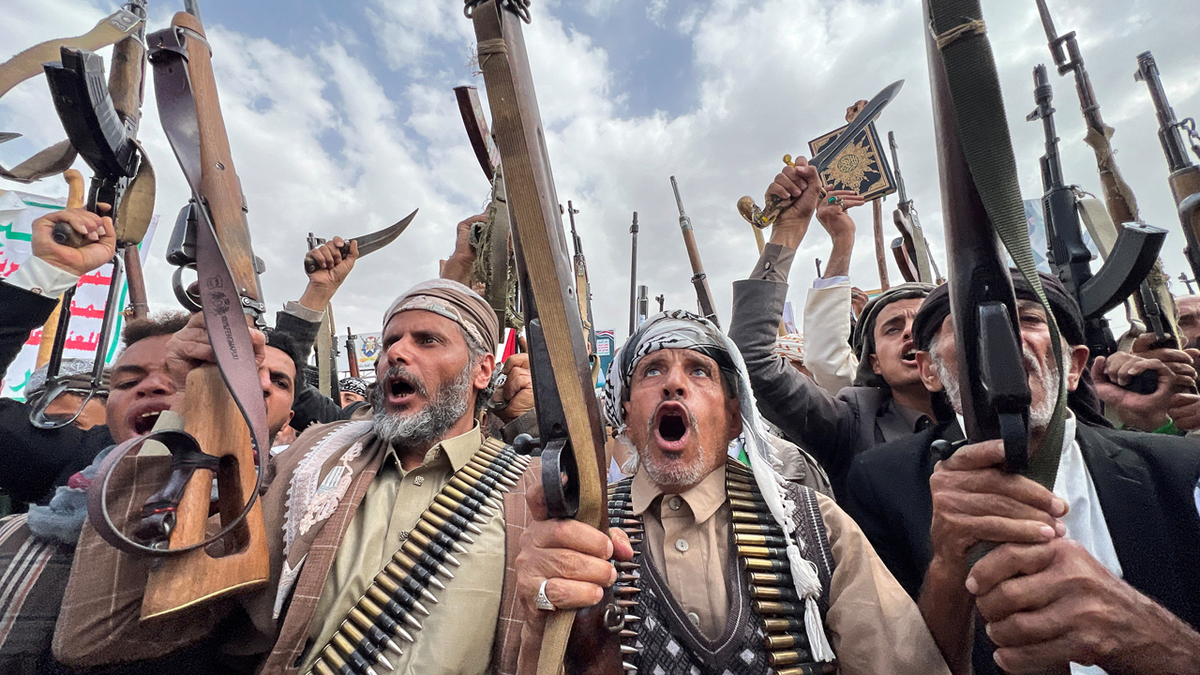
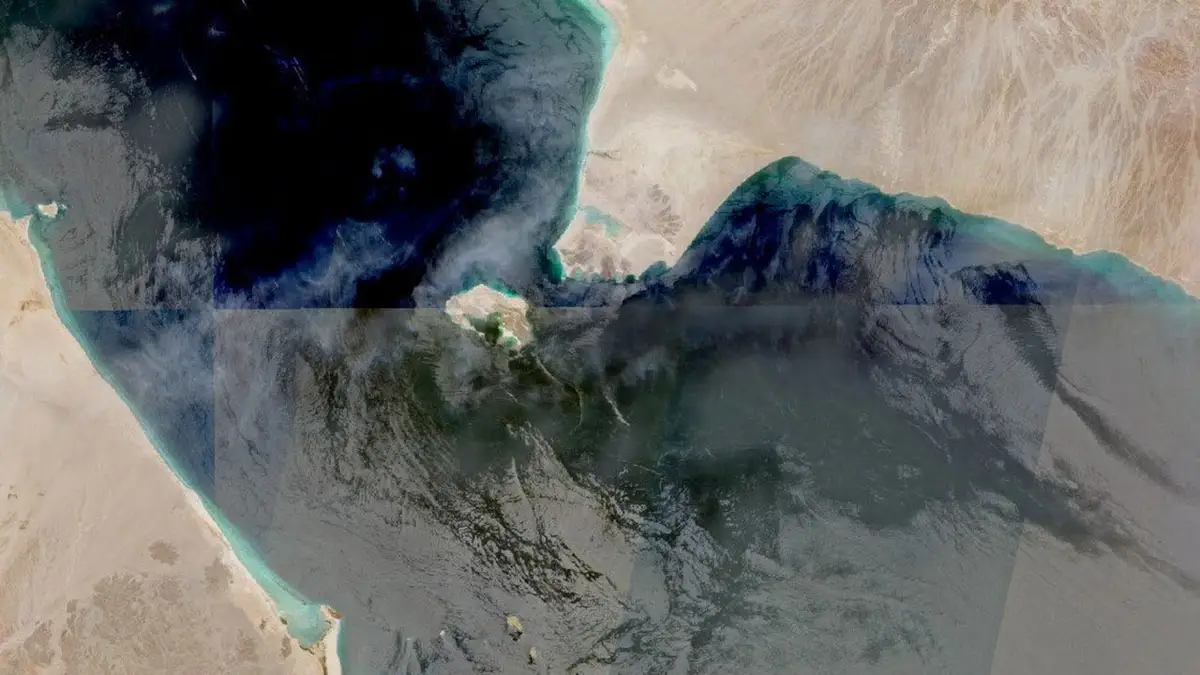
The financial network supports the Houthis’ territorial expansion along Yemen’s western coast. Recent gains included the capture of the port city of Mocha and an advance toward the Bab el-Mandeb Strait, where coastal control gives the group the ability to extract toll revenue and levy fees on maritime traffic.
At its narrowest point between Yemen and the Horn of Africa, the Bab el-Mandeb Strait is approximately 18 miles wide. It connects the Red Sea with the Gulf of Aden and the Indian Ocean, carrying roughly 10 to 12 percent of total seaborne global trade and more than 6 million barrels of crude oil and petroleum products each day.

Territory near the strait also expands the Houthis’ capacity to store weapons, manage smuggling routes, and stage anti-ship ballistic missiles, cruise missiles, and uncrewed aerial vehicles. The group has publicly warned that it intends to shut down transit through the Bab el-Mandeb Strait with missile and drone strikes if neighboring Gulf nations join military operations alongside the United States and Israel against Iran.
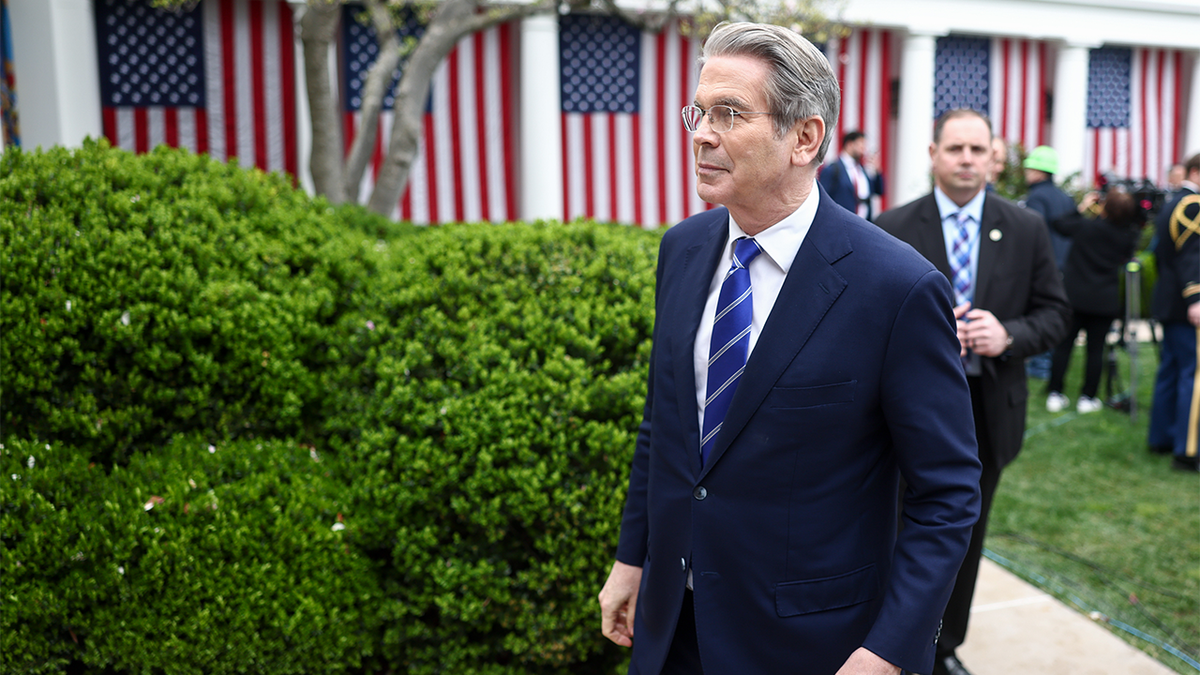
The same structure creates a policy challenge for U.S. Treasury Secretary Scott Bessent and international financial regulators attempting to disrupt the networks sustaining Iranian partner forces without worsening Yemen’s humanitarian crisis. Enforcement efforts focus on points where informal and domestic revenues meet the regulated international financial system.
Analysts and regulatory experts have suggested targeting third-country correspondent banks that process transactions for Sana’a-based financial entities as a direct way to alter institutional behavior. Yemen, however, remains heavily dependent on commercial imports for civilian food, medicine, and basic commodities. Broad sanctions could therefore disrupt legitimate supply chains.
Policy proposals under consideration would maintain specific regulatory licenses for essential commercial cargoes while targeting the administrative structures that enable Houthi authorities to collect tariffs and domestic surcharges on those imports.