

Sweden’s Election Turns on Gang Violence, Migration and the Nordic Model
Gang violence and migration reshape Sweden’s political contest
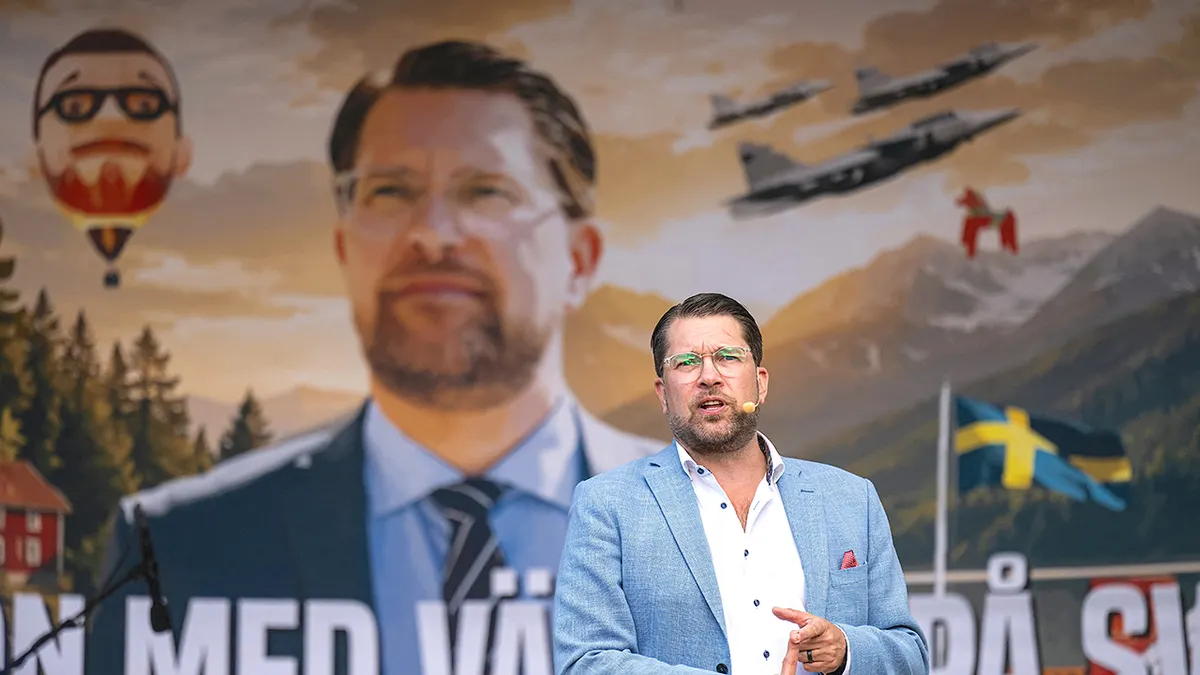
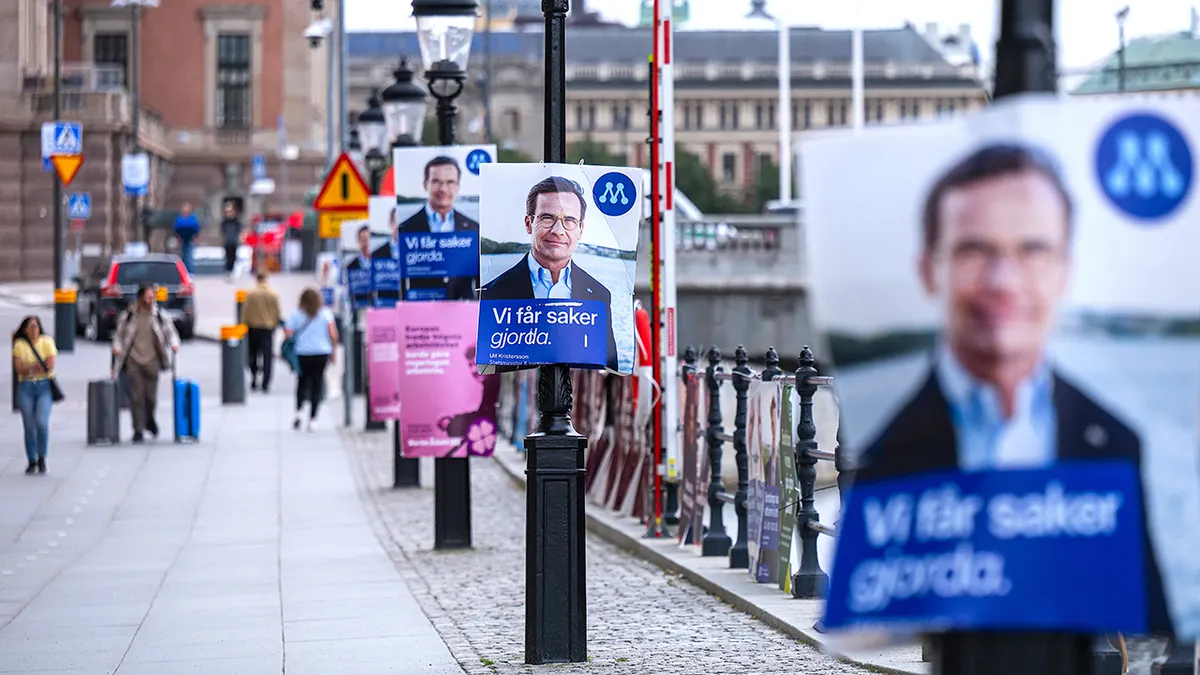
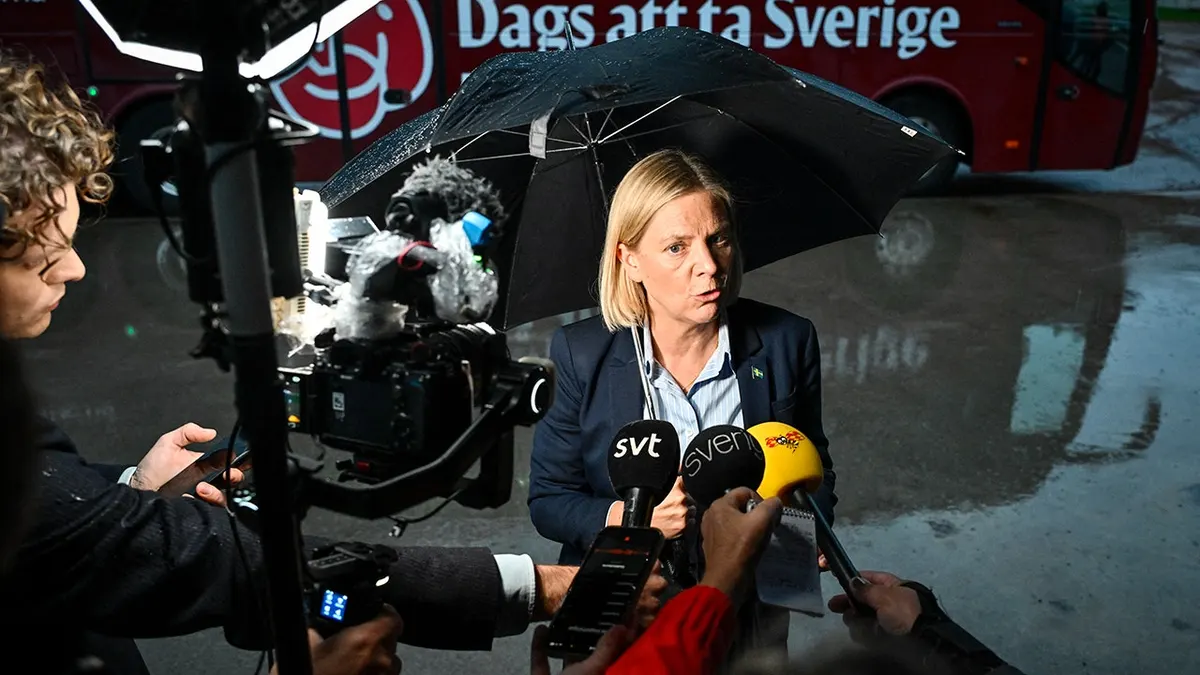
STOCKHOLM — Swedes cast their ballots Sunday in a national election for the 349-seat Riksdag, Sweden’s parliament. The contest pits the center-left Social Democratic Party, led by former Prime Minister Magdalena Andersson, against incumbent Prime Minister Ulf Kristersson’s center-right coalition.
Polling leading into election day shows Andersson holding a narrow lead over Kristersson’s bloc. The political landscape has been fundamentally reshaped by years of debate over violent crime, structural failures in migrant integration and economic strain on public institutions.


During the 2015 European migrant crisis, Sweden accepted more than 160,000 asylum seekers, accounting for approximately 12% of all asylum applications submitted across the European Union that year, according to the Swedish Migration Agency. Most arrivals were fleeing armed conflicts in Syria, Iraq and Afghanistan.
The rapid demographic expansion strained local infrastructure, public housing networks and municipal budgets. Successive governments responded with tighter border controls, limits on family reunification policies and stricter requirements for permanent residency and citizenship.
Security concerns have taken center stage after a decade-long surge in organized gang violence. The expansion of illegal drug networks and turf disputes has brought firearm homicides and explosive attacks to suburban housing developments, altering public perception of safety across the Scandinavian country.
When Kristersson took office in 2022, the nation recorded 391 shootings resulting in 62 deaths, according to figures from the Swedish National Council for Crime Prevention (Brå), an agency under the Ministry of Justice.
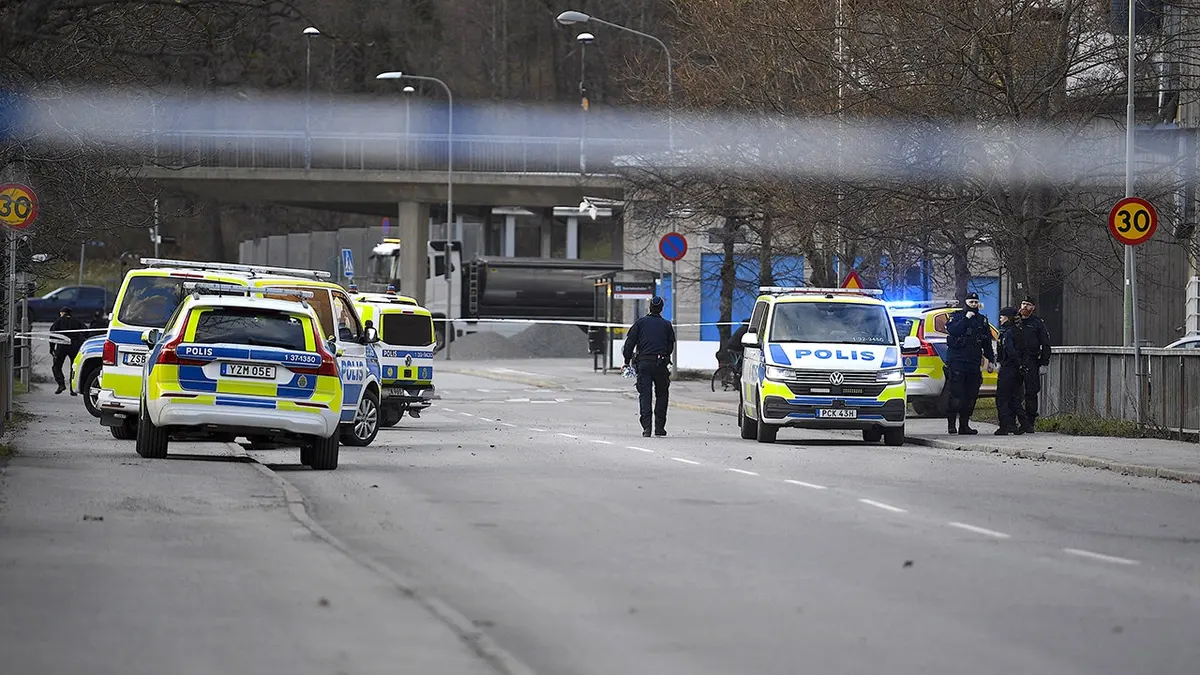
Data from Brå indicates that Sweden’s firearm homicide rate has steadily climbed since 2013. The country’s total homicide rate stands at approximately four deaths per million inhabitants per year, compared to an average of roughly 1.6 deaths per million across Europe. Increased law enforcement interventions and legislative changes have contributed to a drop in firearm violence, with 158 shootings and 44 fatalities reported in the latest tracking period.
“Years of gang violence, Islamist extremism, persistent unemployment and pressure on public services have intensified the debate over whether integration has kept pace with immigration,” said foreign policy expert and author Daniel Schatz. “Sweden went from being described as a ‘humanitarian superpower’ to a ‘humanitarian basket case.’ Discontent with migration policies extends to both foreign-born and native-born residents. Shootings have declined sharply, but fewer shootings do not mean the integration problems are solved.”
The Sweden Democrats have been central to the political shift. Founded in 1988 by activists with roots in far-right and nationalist movements, including neo-Nazi organizations, the party entered parliament for the first time in 2010. Jimmie Åkesson has led it since 2005.
Under Åkesson, the party expelled openly racist members and moderated its public image to broaden its appeal among working-class and suburban voters. For years, mainstream Swedish parties maintained a strict parliamentary consensus to isolate the Sweden Democrats.
“Migration and law-and-order became much higher electoral priorities,” said Nicholas Aylott, a professor of political science at Södertörn University in Stockholm. “The Sweden Democrats based their pitch on them. The other parties, rather belatedly, adapted their positions.”
That parliamentary arrangement dissolved between 2018 and 2022, as traditional conservative parties began engaging with Åkesson’s movement to build a viable governing majority. “The Sweden Democrats had at first been completely ostracized by the other parties, but they were gradually accepted as a legitimate partner by three of the other parties of the right between 2018 and 2022,” Aylott said.
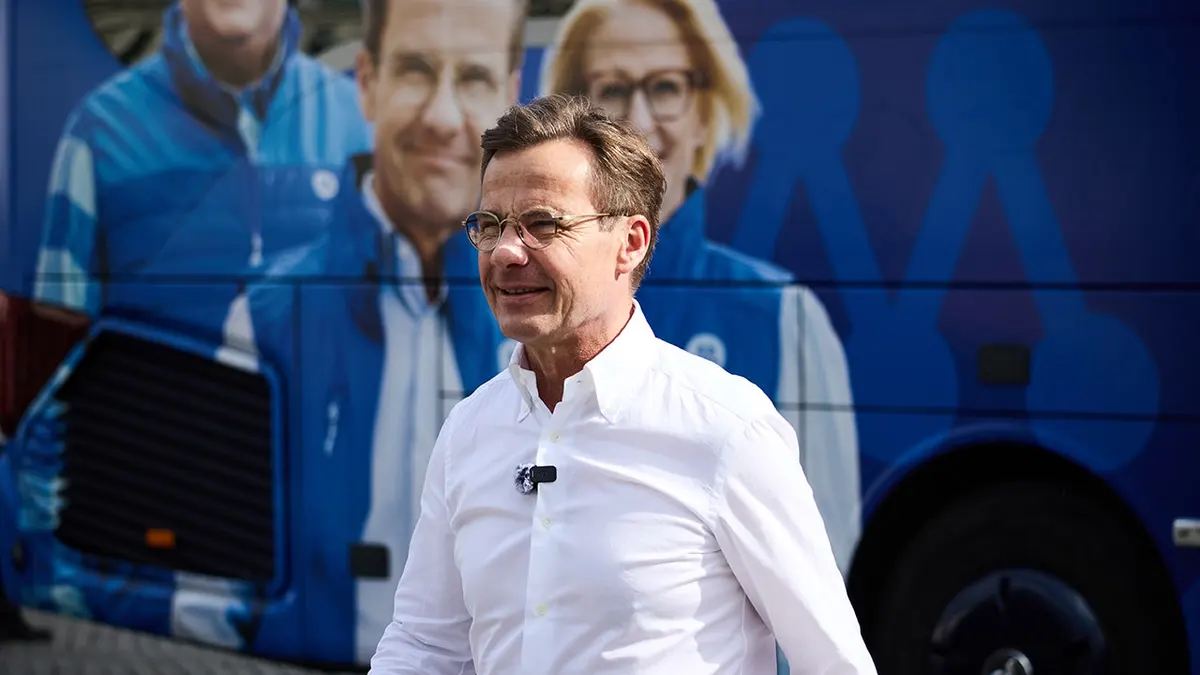
When Kristersson took office in 2022, his government relied on the Sweden Democrats for confidence and supply support, though the party remained outside the cabinet. Should the conservative bloc secure victory in this election, the Sweden Democrats are positioned to claim formal ministerial seats for the first time.
Sweden’s social welfare model, historically viewed as an international benchmark for universal care and social equality, has undergone significant structural restructuring under both left-wing and right-wing governments. Expanding public expenditures required for law enforcement, judicial capacity and integration programs have collided with concerns regarding economic growth, inflation and public service funding.
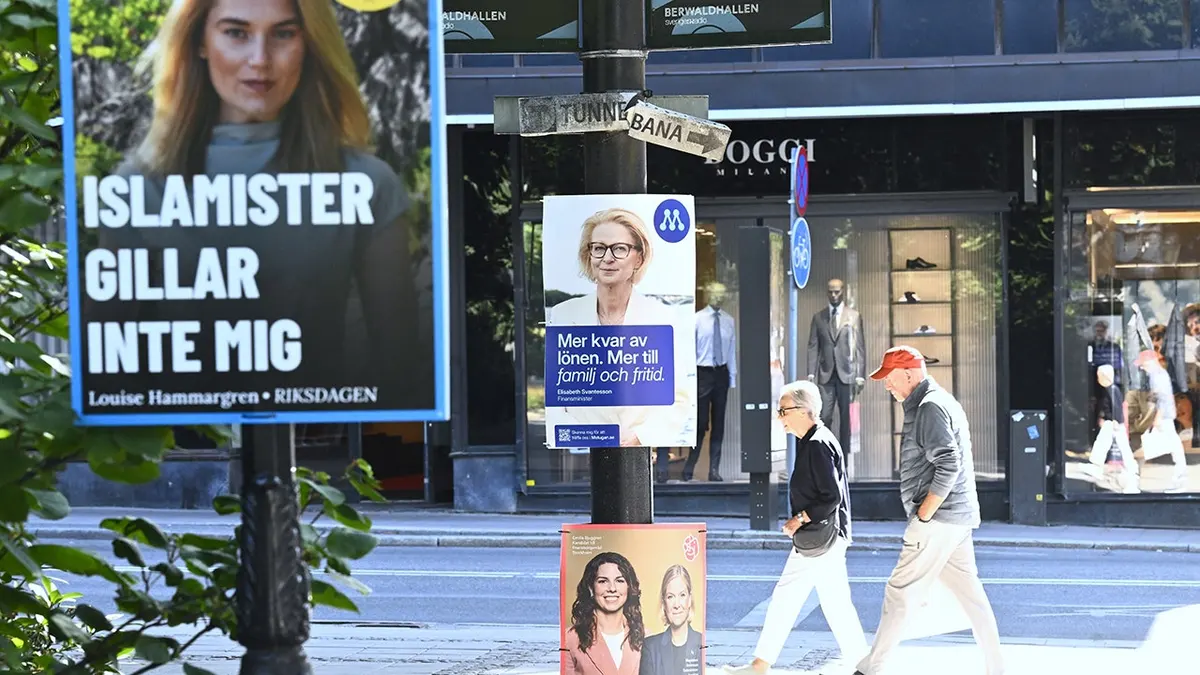
Andersson’s Social Democrats have campaigned on stabilizing municipal services, expanding investments in public healthcare and education, and reinforcing police forces while maintaining strict controls on asylum admissions. The strategy reflects policy pivots seen elsewhere in Europe, including neighboring Denmark, where center-left parties maintained power by embracing firm migration policies alongside traditional social welfare programs.
The election highlights a broader transformation in Swedish politics. For decades defined by expansive social safety nets and open-door asylum policies, Sweden has increasingly turned toward stricter law enforcement measures and restrictive border controls.
The Swedish vote follows state-level gains by the Alternative for Germany (AfD) party in Germany. Across Western Europe, parties advocating tighter border management and national sovereignty have gained significant ground, while migration, integration and public security continue to reorder political coalitions across the continent.