
Armed guards and bag checks: Inside the $1 billion annual price tag to protect U.S. synagogues
Inside the $1 billion annual security cost protecting U.S. synagogues from rising hate crimes

Hiring a single full-time security guard costs an institution approximately $90,000 per year, forcing non-profit congregations to allocate substantial portions of their operating budgets away from educational and charitable programming to maintain basic physical defense. According to a nationwide study by the Jewish Federations of North America (JFNA), which examined more than 4,500 institutions, security expenditures have shifted from an occasional seasonal precaution into a permanent operational mandate. Maintaining physical security across Jewish communal institutions in the United States now costs an estimated $1 billion annually—or nearly $2.8 million every day—as synagogues, schools, and community centers deploy armed guards, fortified access points, and multi-layered surveillance networks to counter a persistent surge in bias-motivated violence.
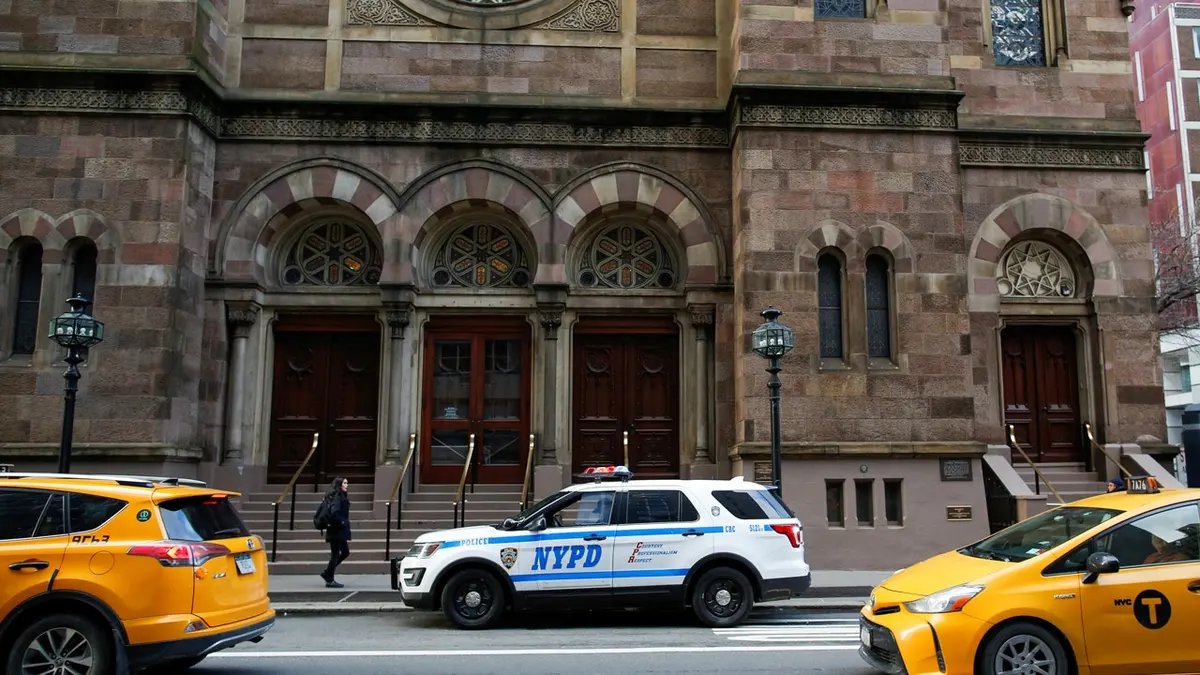
In New York, Yeshiva University President Rabbi Ari Berman called public attention to ongoing threats against Jewish students, citing municipal police figures that recorded 860 antisemitic incidents across New York City and nearly 1,200 across New York State. The expansion of security infrastructure comes as congregations nationwide prepare for peak annual attendance during Rosh Hashanah, the Jewish New Year. Worshipers arriving at houses of worship across the country are routinely met by armed guards, perimeter fencing, electronic door-interlock systems, and mandatory bag inspections before entering sanctuary spaces.


Five months earlier, on March 12, an attacker inspired by the militant group Hezbollah rammed a pickup truck loaded with gasoline canisters and fireworks through the front glass doors of Temple Israel in West Bloomfield Township, Michigan. Armed with an assault rifle and carrying hundreds of rounds of ammunition, the assailant struck a security guard and exchanged gunfire with armed personnel outside the building. Inside the facility, 140 children enrolled in the synagogue’s early childhood center along with their teachers escaped physical injury as security personnel repelled the intruder. The nationwide posture follows a series of violent disruptions and targeted attacks against Jewish institutions.
Federal Bureau of Investigation (FBI) data for 2025 recorded 1,528 anti-Jewish hate crime incidents nationwide, accounting for 63 percent of all 2,408 religiously motivated hate crimes reported to law enforcement. While Jewish Americans represent roughly 2 percent of the total U.S. population, anti-Jewish offenses accounted for 14 percent of all criminal hate crime incidents reported across all categories in the United States.
In August, federal prosecutors charged a Bronx man with federal hate crimes and damaging religious property resulting in bodily injury after he disrupted a Friday night Shabbat service attended by roughly 375 congregants at Central Synagogue in Midtown Manhattan. The suspect allegedly damaged ceremonial candlesticks and physically assaulted both a worshiper and an on-duty security guard. The Michigan attack followed additional violent incidents across the country, including an attack in Washington, D.C., where an Israeli couple was killed, prompting law enforcement agencies to deploy tactical units to guard prominent religious sites, including Temple Emanu-El near Central Park in New York City.
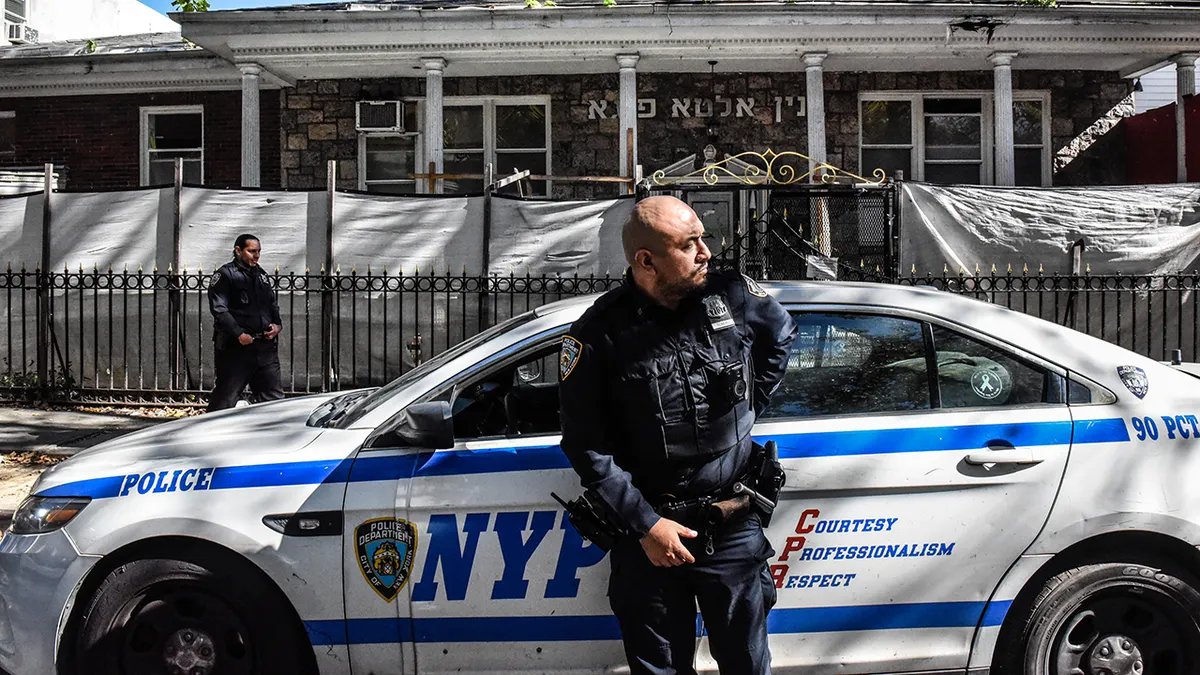
Law enforcement reporting highlights a growing divergence between general crime trends and bias incidents targeting Jewish targets. Data from municipal law enforcement reflects similar patterns. In New York City, NYPD statistics covering the first eight months of 2026 showed that while overall major crime fell by 6.2 percent across the five boroughs, confirmed hate crimes targeting Jewish residents rose by 8 percent, increasing from 212 incidents during the same period in 2025 to 229 incidents in 2026. The rate averages nearly one anti-Jewish hate crime reported every 25 hours.
In response, state and municipal law enforcement agencies are deploying specialized details. The NYPD positioned Mobile Command Units outside major religious institutions and scheduled agency-wide operational briefings ahead of the holiday season. In neighboring New Jersey, the state Office of Homeland Security and Preparedness (NJOHSP) coordinated operational plans with the New Jersey State Police, the FBI’s Newark Field Office, the state Attorney General’s Office, and municipal police departments to secure houses of worship statewide.
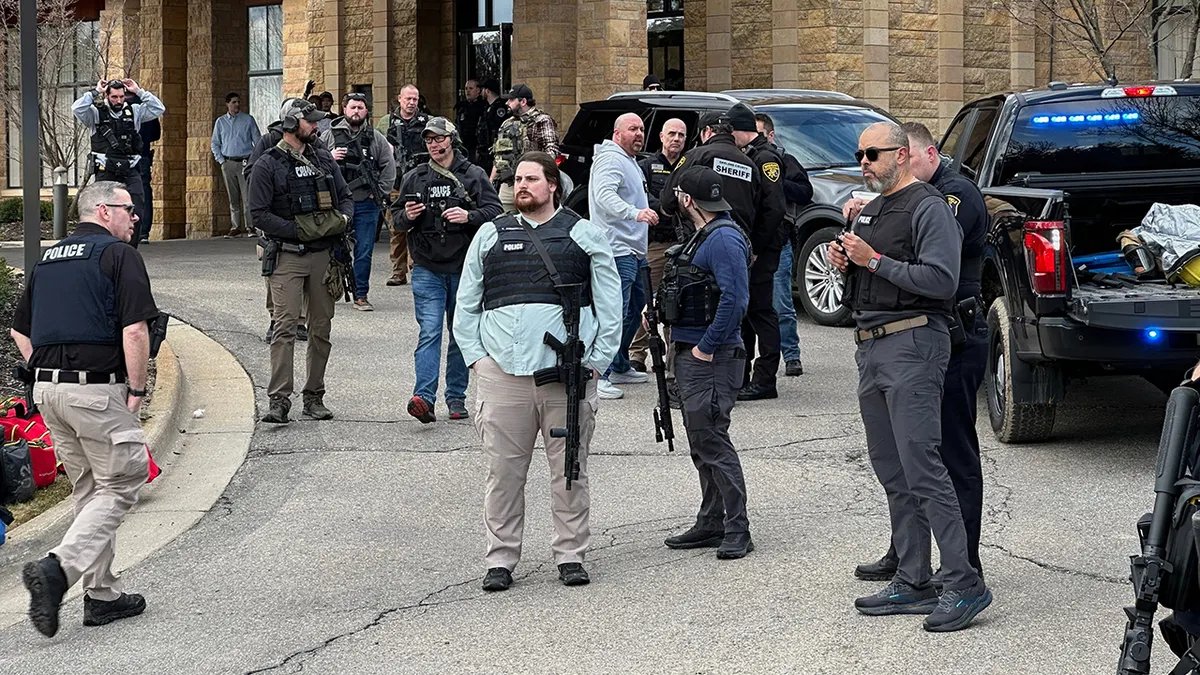
The elevated threat environment has intensified debate over how religious institutions will sustain long-term security costs. Rabbi Chaim Steinmetz, senior rabbi at Congregation Kehilath Jeshurun on Manhattan’s Upper East Side, described the recurring financial burden as an unsustainable levy imposed on Jewish life. Steinmetz noted that while neighboring houses of worship maintain open doors, his synagogue operates under continuous guard details, camera surveillance, and double-door access control at the cost of tens of thousands of dollars annually. Steinmetz characterized the expenditure as a “vicious tax on the Jewish community” driven by violent hostility, adding that threat levels accelerated significantly following the October 7, 2023 terrorist attacks in Israel.
To address the funding gap, advocacy organizations including the JFNA are pressing Congress to pass the bipartisan Jewish American Security Act, which would expand target-hardening assistance for non-profit entities. The initiative complements the Federal Emergency Management Agency’s (FEMA) Nonprofit Security Grant Program (NSGP), which allocates federal funding to physical security enhancements, access control installation, and facility vulnerability assessments for high-risk non-profit institutions. Concurrently, the JFNA leads a national initiative that places professional security directors across all 141 Jewish Federation communities, linking local institutions directly into regional law enforcement command structures.
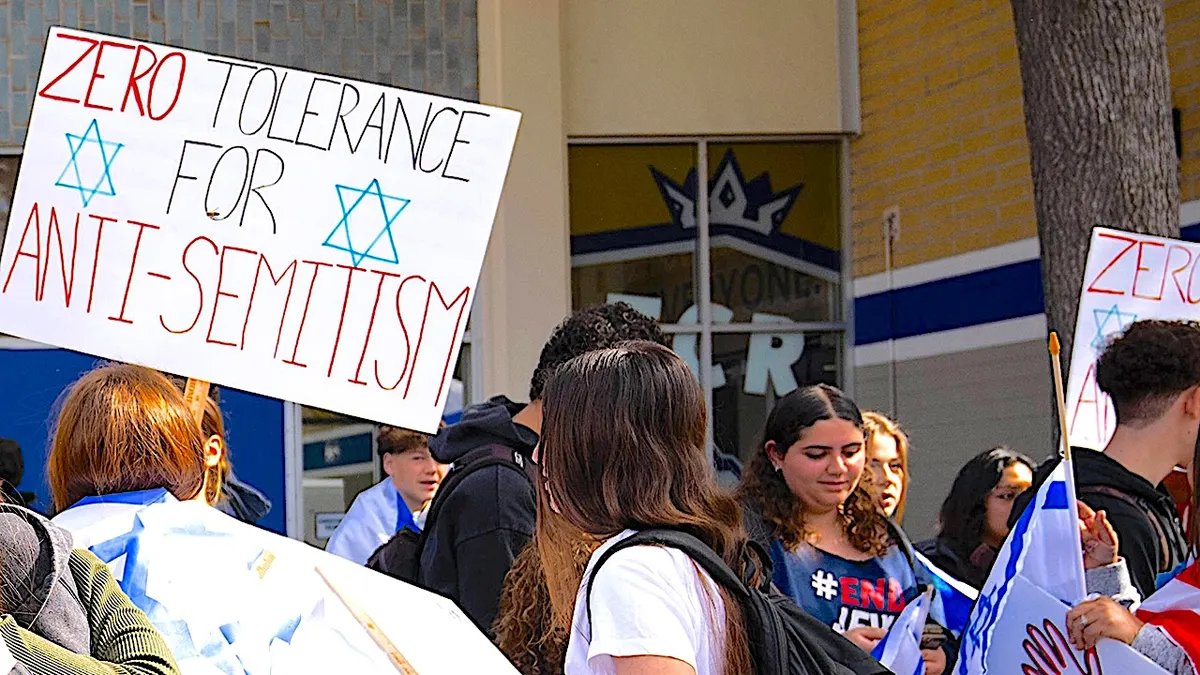
The Secure Community Network (SCN), established in 2004 by the JFNA and the Conference of Presidents of Major American Jewish Organizations as a dedicated safety and security organization for North American Jewry, operates a national Duty Desk monitoring active threats. SCN National Director and CEO Michael Masters confirmed that during 2025, the organization logged 4,400 threat incident reports, trained 40,000 individuals in security procedures, and made 851 referrals directly to law enforcement agencies. SCN’s Duty Desk logged nearly 3,200 threat incidents in the current monitoring period, tracking ahead of the previous year’s record pace. Institutional protection also relies on specialized intelligence networks and trained volunteer forces established over the past two decades.
In parallel, volunteer defense groups have expanded operational coverage. The Community Security Service (CSS), founded in 2007 to train congregants in site defense, reported that more than 20,000 individuals completed its training programs in 2025. CSS mobilized 6,100 trained volunteers to guard 440 synagogues and nearly 100 community events across 24 states, recording more than 300,000 guard hours. Volunteers receive instruction in access control, situational awareness, surveillance detection, and emergency incident response.
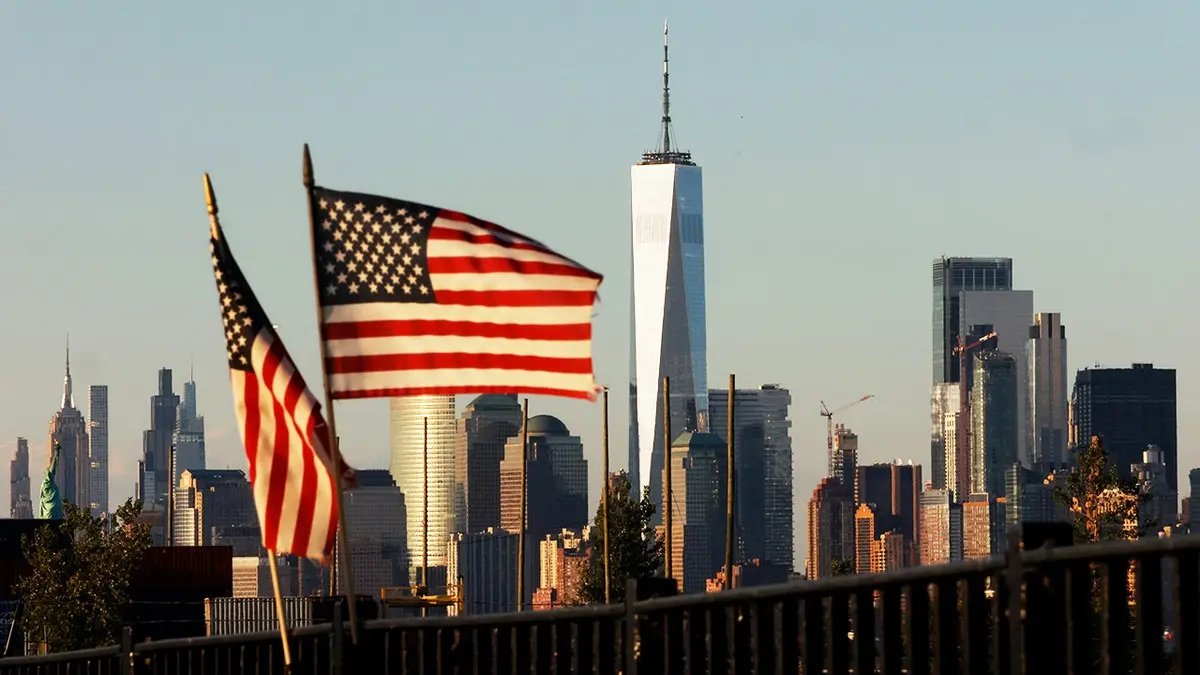
This shift coincided with the 25th anniversary of the Sept. 11 attacks falling at sundown on Friday, Sept. 11—the exact start of Rosh Hashanah, ushering in the Hebrew year 5787. The broad deployment of physical security marks a structural shift from historical practices. Prior to the September 11, 2001 terrorist attacks, American synagogues generally relied on basic alarm systems or hired local police officers primarily for traffic coordination during major holiday services.
JFNA President and CEO Eric Fingerhut stated that the 2001 attacks served as a major turning point, prompting Jewish institutions to recognize that violent extremist groups maintained specific animus toward Jewish communities. That realization drove the creation of SCN and established formal intelligence-sharing bridges between Jewish civic bodies and federal counterterrorism authorities. Subsequent fatal attacks—including the 2018 mass shooting at the Tree of Life synagogue in Pittsburgh, Pennsylvania, the 2019 shooting at Chabad of Poway in California, and the 2022 hostage standoff at Congregation Beth Israel in Colleyville, Texas—further accelerated the adoption of hard physical security measures, making armed guards and reinforced entryways standard features of Jewish institutional architecture.

Despite the elevated security footprint, institutional leadership emphasizes that defensive measures are designed to preserve open communal participation rather than restrict access. Steven Ingber, CEO of the Jewish Federation of Detroit, noted that while the armed assault on Temple Israel remains fresh in the minds of local congregants, institutions across suburban Detroit are entering the High Holidays fully operational, backed by updated defense protocols. Rabbi Aaron Starr of Congregation Shaarey Zedek in suburban Detroit, who serves as president of the Michigan Board of Rabbis, stated that while families are entering the new year with heightened anxieties due to recent local and national events, institutions remain focused on maintaining normal religious life. Fingerhut affirmed that the central goal of the nationwide security enterprise is to ensure that fear does not determine whether families participate in religious observances, noting that visible physical protection serves to provide congregants with the confidence required to attend public services and maintain communal routines.