GLP-1 Surge Rewires Healthcare Economy as Bariatric Surgeries Drop 34%
Wells Fargo Study Shows Obesity Medications Disrupting Surgical Volumes and Drug Pipelines
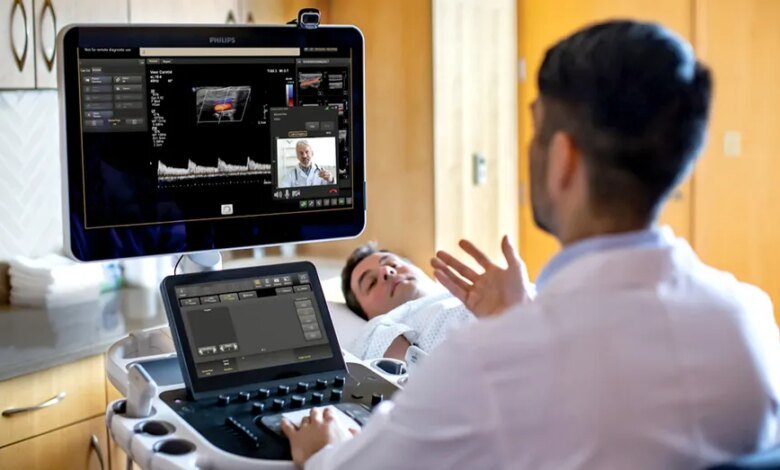
Blockbuster GLP-1 therapies are pushing into new therapeutic territories beyond weight management, as experts on ‘Barron’s Roundtable’ evaluate emerging medical applications, secondary side effects, and patient outcomes for the coming generation of drugs.
The systemic transformation of the U.S. healthcare sector driven by obesity-targeting GLP-1 weight loss treatments is highlighted in a recent Wells Fargo study.
Released on Thursday, the Wells Fargo findings emphasize that obesity has served as a cornerstone condition for American medical infrastructure, with 40.3% of U.S. adults designated as obese and 9.4% categorized as severely obese.
Patient uptake of GLP-1 medications expanded by more than 140% between 2022 and 2024, sharply altering hospital clinical services for weight management. Over that identical period, total bariatric surgery volumes dropped 34.1%.
MAJOR PBMS TO BOOST PRESCRIPTION DRUG PRICE TRANSPARENCY THROUGH TRUMPRX
Philips plans to invest more than $150 million in U.S. facilities. (Philips)
“GLP-1s may be marketed as weight-loss drugs, but they’re rapidly becoming one of the most disruptive economic forces in healthcare,” John Teasley, market executive for Wells Fargo Healthcare Banking, told Fox Business. “We’re seeing a medication class with the potential to reshape how providers generate revenue, where investors allocate capital, and how consumers engage with their health.”
According to the analysis, medical centers and hospitals must adjust to an evolving operational environment brought on by GLP-1 semaglutide drugs, as individuals with obesity who previously turned to surgical intervention following diet efforts now utilize a medical option that is “visible, reversible, and socially normalized.”
AMERICANS SAVE MORE THAN $700M ON PRESCRIPTION MEDICATIONS THROUGH TRUMPRX, WHITE HOUSE SAYS
Cardiovascular medicine could similarly be transformed, supported by trial data showing a 20% drop in major cardiovascular events among non-diabetic overweight or obese adults using the medications. Should these findings translate broadly across the population, health systems face declining volumes of cardiac procedures, readmissions, complications, and related follow-up treatments, eroding overall demand for high-volume interventions.
A sustained 20% drop in major adverse cardiovascular events touches one of the most profitable service lines for acute-care hospitals. Inpatient cardiac procedures and secondary interventions traditionally generate substantial operating margins, meaning widespread reduction in these complications directly alters hospital revenue streams.

A woman injects a GLP-1 injection into her stomach in this undated photo taken at an undisclosed location. (iStock)
Long-term management of chronic weight conditions is expected to transition toward outpatient care models, continuous prescription monitoring, side-effect management, and extended follow-up care. Wells Fargo analysts emphasized that this operational shift will also affect secondary conditions associated with obesity, including orthopedic hip and knee replacements, sleep apnea, and metabolic liver disease.
“The biggest takeaway from our research isn’t that healthcare is shrinking, it’s that healthcare is being rewired,” Teasley said.
ROUGHLY 23 MILLION AMERICANS TRAPPED IN JOBS THEY WANT TO LEAVE OVER ONE COSTLY FEAR
Research strategies across pharmaceutical manufacturers are being redirected by GLP-1 momentum, with Deloitte data cited in the study showing obesity treatments overtaking cancer therapies as the single largest segment of late-stage drug pipelines for the first time in 16 years.
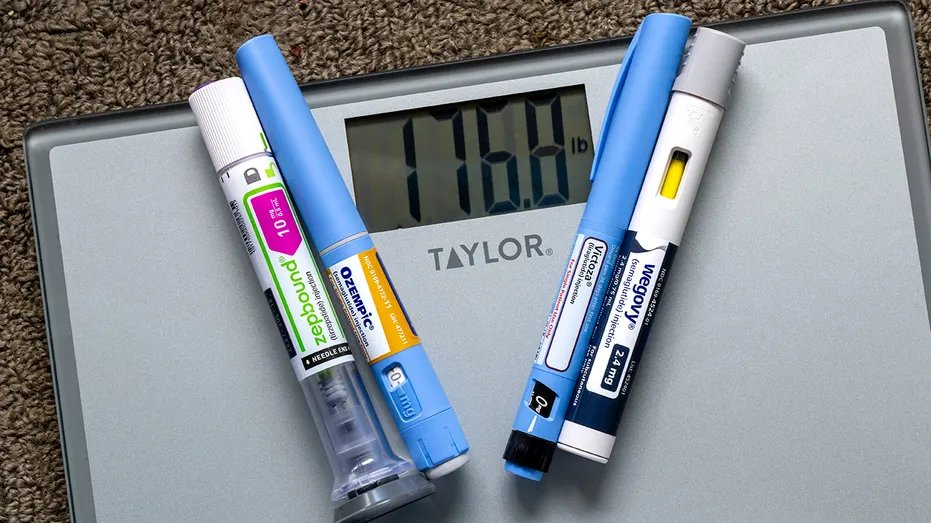
A photo illustration shows weight-loss injection pens resting on a scale that reads 176 pounds. (Michael Siluk/UCG/Universal Images Group via Getty Images)
That shift was fueled almost entirely by GLP-1 medications, pushing obesity treatments from just 1% of the clinical pipeline in 2022 to nearly 25% today, as oncology’s share fell from 32% in 2022 down to 20%.
This reversal in drug development priorities reflects a broader economic reality: while oncology drugs target smaller, specialized patient groups, GLP-1 treatments address a chronic condition affecting over 100 million American adults. Continuous monthly prescriptions present pharmaceutical firms with unprecedented long-term commercial opportunities.
“Obesity therapies have already taken cancer as the pharmaceutical industry’s leading area of investment, reflecting growing confidence that these treatments could improve the health of millions of Americans while fundamentally reshaping one of the country’s largest industries,” Teasley said.
GET FOX BUSINESS ON THE GO BY CLICKING HERE
Healthcare providers and organizations seeking to navigate the ongoing transition are choosing to realign operational focus rather than maintain traditional surgical models, shifting investment, financial capital, and clinical staff into specialty pharmacy operations, integrated cardiometabolic treatment, and specialized obesity management.