Miami Heat Video Blunder Triggers $240M Betting Frenzy Over LeBron James Destination
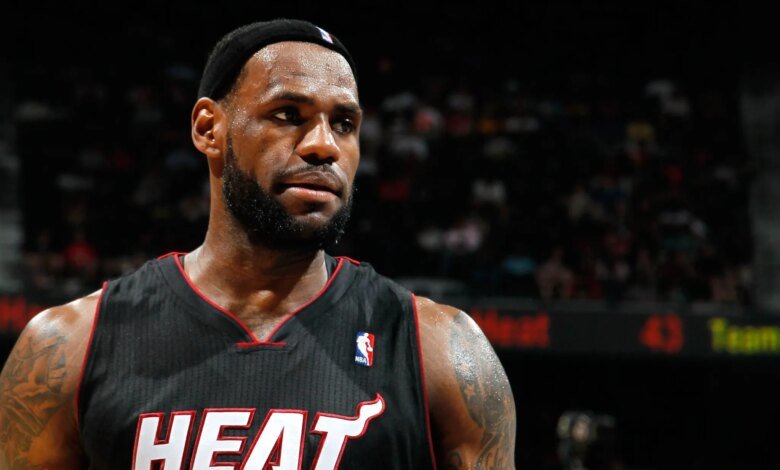
A prematurely published YouTube video by the Miami Heat has sent shockwaves through online prediction markets, driving a surge in trading activity over where NBA superstar LeBron James will play next season.
The brief public appearance of a video titled “LeBron James Introductory Press Conference”—which was rapidly deleted by the team—spurred an immediate 20-point jump in Miami’s odds on the prediction platform Polymarket, propelling the franchise to nearly 50% probability overnight. On rival platform Kalshi, probability contracts for South Beach climbed into the high 40s, overtaking the Cleveland Cavaliers as the market favorite.
Trading volume connected to James’ free agency destination has now topped $245 million across Kalshi and Polymarket combined, with Kalshi alone accounting for over $211 million. The rapid influx represents a $40 million surge in betting volume over just three days. Event contracts for individual athlete moves rarely draw such capital; comparable markets for star players like Kawhi Leonard, Bronny James, Kyle Tucker, and Jaelan Phillips each generated under $1 million. The James contract now ranks as the third-largest market in Kalshi’s history, behind only the 2026 FIFA World Cup champion and the 2028 Democratic presidential nomination.
Addressing the leak, a Miami Heat spokesperson told the Miami Herald that the posting was an operational mistake made while staff prepared media assets in the event James decides to return to the club. Adding to the moment, the organization reposted a job listing for a Director of YouTube Strategy on LinkedIn shortly after removing the video.
James has remained an unrestricted free agent for 24 days following his departure from the Los Angeles Lakers, offering no public timeline for an announcement. His agent, Rich Paul, noted earlier this week that neither he nor NBA Commissioner Adam Silver knows when the decision will come. A move to Miami would mark a second stint with the franchise, where James previously won two NBA championships following his high-profile free agency move in 2010.
Industry analysts emphasize that while technical errors occur on media servers, internal preparations reveal organizational expectations. “If they weren’t in the market for LeBron, they wouldn’t be preparing that kind of communication,” said Marty Conway, a sports business professor at Georgetown University. “So somebody believes that they are in the market for LeBron, and they’re prepared for it.”
Conway added that the episode illustrates how modern sports events are immediately filtered through a financial lens. “There’s a market for everything, and I think people have recognized that,” he said, noting that leaks create potential opportunities for individuals to influence odds or capitalise on market movements.
The incident highlights growing tension between professional sports leagues and financial derivative platforms. Total monthly volume across Kalshi and Polymarket reached nearly $24 billion as of April, according to data from the Pew Research Center, with sports contracts capturing an increasingly dominant market share. During the World Cup, prediction markets represented roughly 27% of all legal U.S. sports betting volume, up from 9% at the start of the year. Kalshi’s contract on the World Cup final between Spain and Argentina alone reached $1.27 billion, dwarfing the roughly $2 billion wagered across the entire NBA Finals.
In response to the boom, the NBA has formally expressed concerns to federal regulators, including the Commodity Futures Trading Commission, arguing that non-public operational activity—such as internal video production—creates systemic risks of insider leaks. The debate coincides with ongoing litigation over whether sports prediction contracts constitute regulated financial derivatives or unlicensed sports gambling, a dispute currently advancing toward the U.S. Supreme Court.