FCC Advances Plan to Repeal National TV Ownership Cap, Opening Door for Station Mergers
The proposed rule change would eliminate the 39% household reach ceiling on broadcast groups competing with streaming and tech giants.
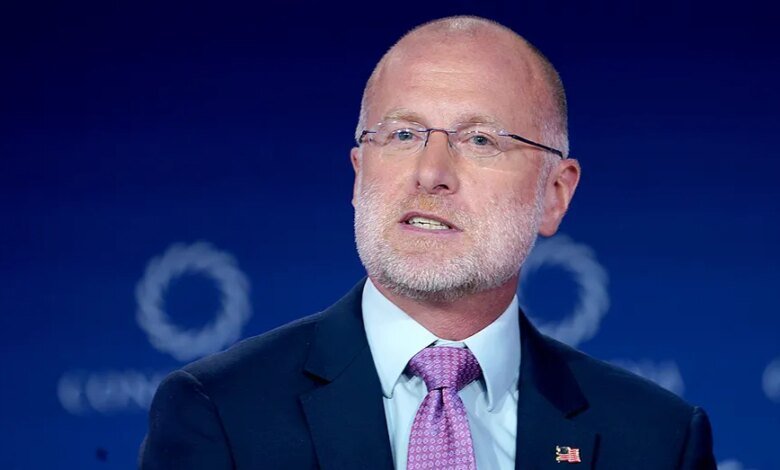
WASHINGTON — The U.S. Federal Communications Commission has advanced an order to eliminate the national television ownership cap, a decision that could trigger new consolidation among local television broadcast groups seeking to compete with digital streaming giants and tech platforms.
Under current regulations, individual broadcast station groups are prohibited from owning television stations that reach more than 39% of American households nationwide. FCC Chairman Brendan Carr is moving to dismantle the ceiling, framing the rule as an outdated regulatory barrier that advantages tech conglomerates over traditional local broadcasters.
The 39% ceiling was set by Congress in 2004, following initial ownership boundaries established under the Telecommunications Act of 1996. While broadcast television operators have remained bound by the restriction, competing digital platforms—including YouTube, Netflix, TikTok, and Meta—operate without audience reach caps or ownership limits.
Removing the cap would grant major station operators, such as Nexstar Media Group, Sinclair, and Gray Television, greater flexibility to expand their station portfolios without facing mandatory station divestitures or seeking regulatory waivers.
Advocates for repealing the regulation argue that the traditional broadcast market has been fundamentally reshaped by online media. Broadcasters contend that scaling up national reach is essential for local stations to retain advertising revenue, fund newsroom operations, and compete directly for viewing audiences against unregulated internet platforms.
The ownership cap proposal comes amid a wider regulatory agenda led by Carr at the FCC. The agency has also pursued inquiries into political equal-time compliance on broadcast networks, rising consumer costs associated with live sports streaming, national security bans on foreign power grid equipment, and media industry transactions.