Fannie Mae, Freddie Mac Surge After Bill Ackman Calls GSE Stocks ‘Stupidly Cheap’
Shares of the mortgage giants rallied up to 41% on the last trading day of Q1 after the Pershing Square founder urged investors to ignore broader market panic.
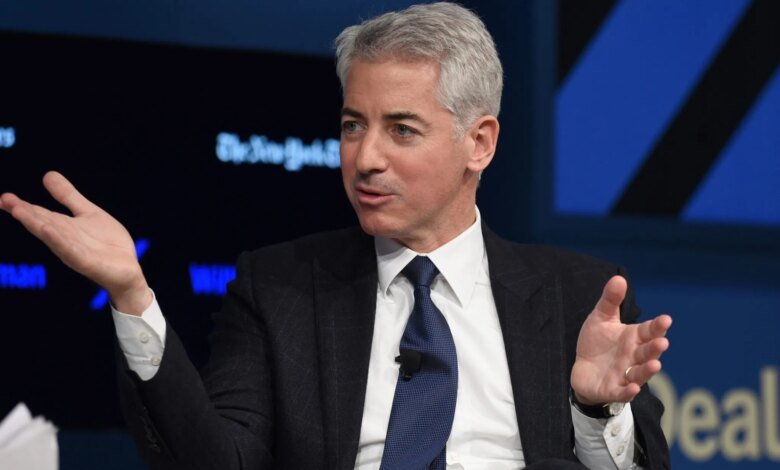
Shares of Fannie Mae and Freddie Mac surged sharply on Monday after billionaire investor Bill Ackman urged market participants to buy into the government-sponsored mortgage giants, claiming they are severely undervalued despite geopolitical turbulence surrounding the war in Iran.
Fannie Mae jumped as much as 41% while Freddie Mac climbed up to 34% in Monday trading, marking the largest single-day gain for each stock since May 2025. The rally was ignited by a late Sunday post on X by Ackman, founder of Pershing Square Capital Management, who called the entities “stupidly cheap” and stated they could deliver a “10X” return soon while urging investors to ignore mainstream media coverage of the conflict.
The sharp stock movement took place on the final trading day of the first quarter of 2026, a key date when hedge funds lock in mark-to-market performance numbers for investor reports. Pershing Square is the single largest common shareholder in both government-sponsored enterprises, holding a combined stake of more than 210 million shares. The move mirrored a similar strategy by Ackman on Dec. 30, 2024, when a year-end post calling the GSEs his best trade idea generated 4.9 million views and sparked a similar rally.
Ackman’s bullish push highlights a substantial valuation gap between the companies’ market capitalization and earnings power. Fannie Mae generated $14.4 billion in net income last year, while Freddie Mac earned $10.7 billion. Prior to Monday’s trading, their combined market cap was roughly $10 billion, meaning both firms individually earn more than their entire combined equity value each year.
The market call received support from “The Big Short” investor Michael Burry, who wrote that he “cannot emphasize enough how rare this is in this market.” Burry criticized the federal government for maintaining policies that keep the companies inefficiently managed under government conservatorship, while citing low interest rates and trillions in pandemic-era stimulus for skewing the housing market.
Expectations of a potential public offering under the Trump administration have driven market sentiment surrounding the two firms, which have remained under government conservatorship since the 2008 subprime financial crisis. At the ResiDay housing conference in November, White House housing director Bill Pulte noted a decision on an IPO would occur by late 2025 or early this year, though no administrative action has taken place. Shares of both companies remain down nearly 60% from their September 2025 peak of $15.30.
Monday’s rally occurred against a backdrop of widespread financial anxiety. The war in Iran, now in its sixth week, has disrupted global trading, with crude oil prices surging over threats to the Strait of Hormuz and CNN’s Fear & Greed Index flashing “extreme fear.”
Critics continue to express concern over moving the companies out of government hands. UCLA economist Wesley Yin cautioned that privatizing Fannie Mae and Freddie Mac without proper safeguards could raise borrowing costs for home buyers and recreate the conditions that triggered the Great Recession by allowing private firms to profit from government-backed borrowing.