SpaceX Advances Starfall Rocket Cargo System to Target Global Point-to-Point Freight and Space Manufacturing
The June 2026 demonstration flight opens new avenues for rapid defense logistics and orbital manufacturing supply chains.
SpaceX has begun operational testing of Starfall, a rocket-based transport system engineered to deliver high-priority freight globally within hours and establish supply lines for orbital manufacturing, following a demonstration flight launched on June 23, 2026.
According to regulatory filings with the Federal Aviation Administration, the Starfall program targets two primary operational models: rapid point-to-point terrestrial logistics and two-way transport between Earth and low-Earth orbit. The development moves commercial spaceflight beyond conventional satellite deployment and crew transport into high-speed defense, emergency, and industrial logistics markets.
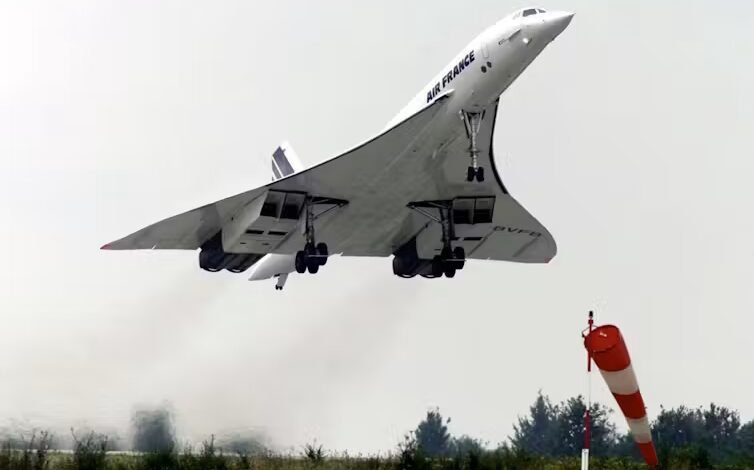
While commercial aviation previously attempted rapid international transit through supersonic passenger aircraft like the Concorde, Starfall focuses on high-value cargo across defense, government, and emergency sectors. The system is designed to deploy critical medical supplies, urgent defense assets, or disaster relief materials to remote locations within hours, serving as a specialized transport mechanism rather than replacing conventional maritime or air freight.
Beyond terrestrial transit, the FAA document outlines capabilities to return cargo from orbit, catering to emerging in-space manufacturing ventures. Companies seeking to produce semiconductors, specialized proteins, pharmaceuticals, and advanced electronics rely on the microgravity and near-perfect vacuum of space—environmental conditions that remain cost-prohibitive to replicate on Earth.
Achieving these operational timelines requires a fundamental shift from existing orbital supply chains. Standard resupply flights to the International Space Station operate on fixed, long-term schedules planned months in advance. In contrast, Starfall’s point-to-point and emergency orbit transport model relies on on-demand, low-notice launch capabilities.
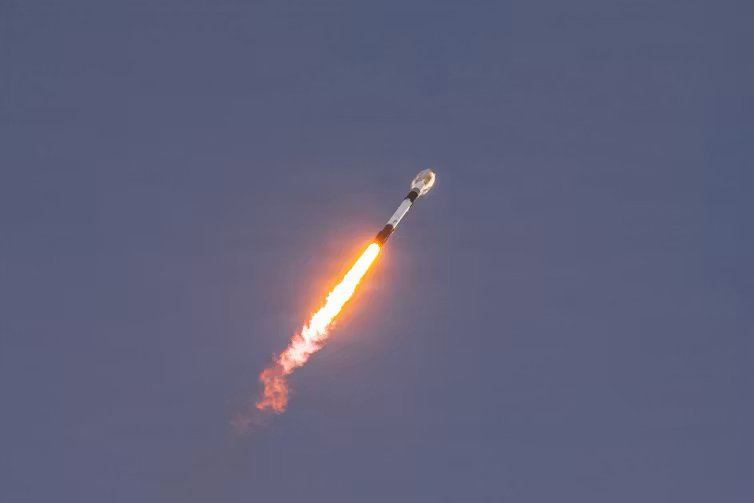
Significant engineering barriers remain before rocket-based freight becomes routine. Payload survival during ascent and atmospheric reentry presents severe mechanical stresses. Unlike standard air cargo containers, payloads aboard rocket launch vehicles face intense vibration and high G-forces, requiring specialized shock-absorption systems and hardware qualification for sensitive electronics, optics, or volatile biochemical compounds.
Logistical integration presents an equally complex challenge. Researchers at the Georgia Institute of Technology, including aerospace engineering associate professor Koki Ho and doctoral researcher Euihyeon Choi, note that systems engineering decisions—such as locating launch and landing pads, determining fleet sizing, and establishing seamless intermodal transfers to maritime vessels and ground transport—will dictate the economic viability of orbital cargo networks. Without rapid last-mile ground transport, theoretical time gains achieved during rocket flight risk being neutralized at the landing site.