Tech Giants Unite Against Proposed U.S. Restrictions on Open-Weight Artificial Intelligence
A coalition of more than 20 leading technology companies and investment firms—including Nvidia, Microsoft, and Meta—is urging U.S. officials to reject broad restrictions on open-weight Artificial Intelligence models, warning that overregulation could jeopardize American technological supremacy.
In a joint appeal sent to policymakers on Friday, signatories argued that open-weight architectures are vital for national security, domestic innovation, and maintaining leadership in an escalating global AI race. The public intervention comes amid intensifying debate in Washington over intellectual property theft and national security risks linked to foreign rivals, particularly in China.
Unlike closed-source software where underlying algorithms remain strictly proprietary, open-weight models allow developers to download, inspect, and modify the core parameters that govern an AI system’s decision-making. This transparency enables researchers and businesses to deploy customized AI models locally without relying on external cloud infrastructure. However, national security officials have expressed concern that open availability allows foreign entities to freely access advanced U.S.-developed technologies.
The industry initiative follows recent allegations from White House Office of Science and Technology Policy Director Michael Kratsios, who accused Chinese AI startup Moonshot AI of using outputs from Anthropic‘s Fable 5 model to train its own open-weight Kimi K3 system. The practice, known as “distillation,” involves using a highly sophisticated model to generate synthetic training data for smaller, less expensive models. Following the allegations, Treasury Secretary Scott Bessent signaled that the administration could leverage economic sanctions against foreign firms caught improperly distilling proprietary American software.
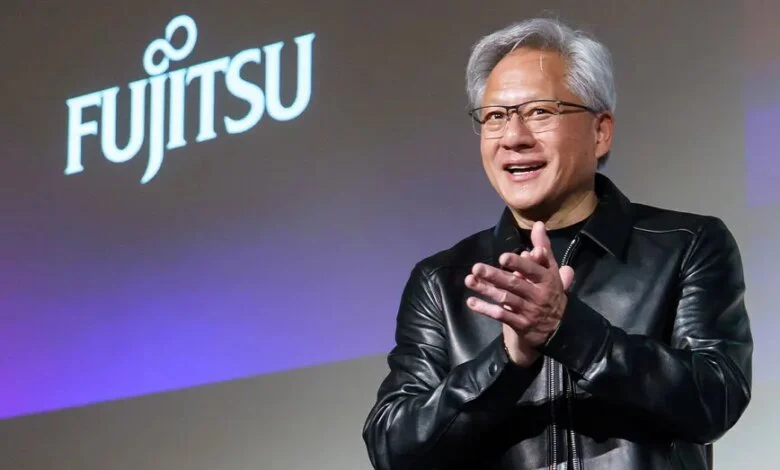
Nvidia Chief Executive Jensen Huang publicly amplified the joint petition on Friday, using his first-ever post on social platform X to emphasize that open models bolster cybersecurity, foster innovation, and support national sovereignty in artificial intelligence.
While the coalition acknowledged that unauthorized extraction of value from proprietary models constitutes a legitimate concern, it insisted that intellectual property violations should be countered through targeted legal actions and commercial enforcement rather than blanket bans on open technology.
The coalition features major hardware and enterprise software vendors alongside prominent venture capital firms like Andreessen Horowitz and Y Combinator, as well as European AI developer Mistral. Notably absent from the roster were primary developers of closed frontier systems—including OpenAI, Anthropic, Google, and Elon Musk’s xAI—underscoring a widening rift across Silicon Valley over whether the future of artificial intelligence should be built on gated proprietary services or open technological foundations.