Pentagon Gives 30 U.S. Universities Two Weeks to Cut Unapproved Foreign Research Ties
30 Higher Education Institutions Facing Defense Grant Sanctions Under Strict Compliance Deadline
The Department of Defense has ordered 30 U.S. universities to audit their academic and research partnerships with foreign institutions, specifically targeting links to Chinese universities and military entities under a two-week deadline.
If the schools don’t complete a review and terminate any arrangements deemed problematic within the next two weeks, they face losing funding. The goal is to protect taxpayer-funded research from theft and exploitation, the Pentagon said Monday.
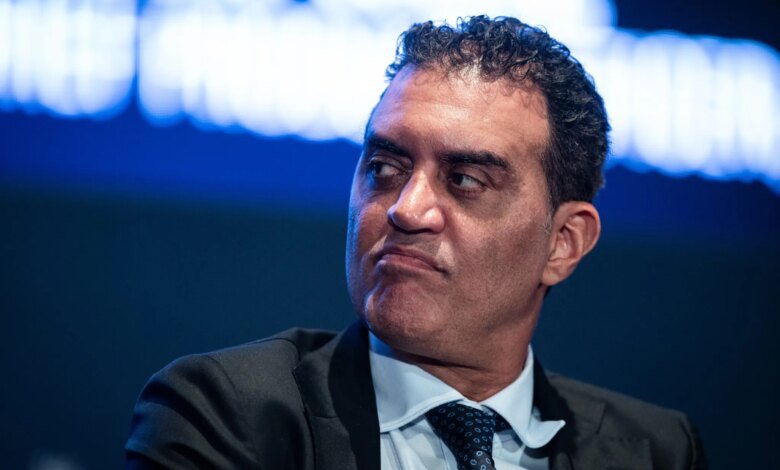
“The Department of War has zero tolerance for academic partnerships that compromise our national security,” Emil Michael, the Pentagon’s chief technology officer, said in a news release.
The release didn’t name the schools, but a U.S. official who spoke on condition of anonymity to discuss internal matters said they include Harvard University, the Massachusetts Institute of Technology and Johns Hopkins University.
The enforcement action targets research relationships tied to an updated list of 130 foreign entities published by the Pentagon. While the list includes select Russian and Iranian institutions, the primary focus is Chinese academic centers, including the University of Science and Technology of China and the Academy of Military Medical Sciences, which federal officials state increase the likelihood of U.S. government-funded research being misappropriated.
Federal defense funding represents a major financial foundation for university laboratories across the country. The Department of Defense distributes more than $2.5 billion annually in basic research grants to American higher education institutions, funding critical scientific research in engineering, computer science, and advanced materials.
The audit mandate enforces provisions established under Section 1286 of the National Defense Authorization Act, which requires federal agencies to restrict research awards to institutions that maintain unmitigated ties with entities supporting China’s military-civil fusion strategy. The federal policy aims to prevent civil academic research funded by U.S. taxpayers from being transferred into foreign military development programs.
University oversight organizations expressed concern regarding the short compliance timeline and the potential retroactive application of enforcement rules. Sarah Spreitzer, vice president at the American Council on Education, noted that member institutions worked directly with federal officials to construct the initial risk registry during the first Trump administration and largely moved away from research partnerships with listed institutions in subsequent years.
Spreitzer cautioned that higher education institutions could be held accountable for legacy agreements established before formal lists were finalized. “We don’t appreciate the implication that we are not good partners on research security, given that we helped create this list, and given that we’ve always partnered with the federal government when there has been national security concerns,” Spreitzer said.
Addressing the Pentagon’s directive, a spokesperson for the Chinese embassy in Washington stated that Beijing opposes the politicization of international educational and scientific exchanges, calling on U.S. authorities to maintain an open environment for academic exchange.