Anthropic CEO Rejects Regulatory Capture Accusations in Clash With Silicon Valley Investors
Debate Follows Claims Over Frontier Model Thresholds and Industry Power Concentration
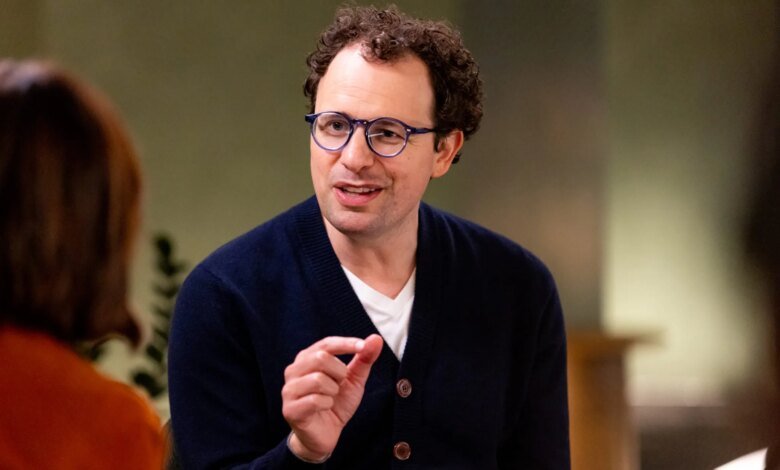
Anthropic Chief Executive Dario Amodei publicly defended his company’s policy positions following accusations from technology investors that the artificial intelligence startup is attempting to secure regulatory capture and eliminate competition.
Baker said that he’d been told “by multiple people I trust” that Amodei had said that Anthropic was so confident of both AI’s potential and his company’s position at the forefront of AI development that “Anthropic might be the only private company in the world at some point.” Baker described this as evidence of Anthropic’s “maximalist” vision, in which only it and the U.S. government decided who could access super powerful AI. Meanwhile, Sacks called it “hubristic” and repeated his claims that Amodei’s strategy is “regulatory capture”—where Anthropic uses fear of AI’s risks to persuade the government to enact stringent regulation on the technology that only Anthropic can easily comply with, eliminating competition from other AI startups or open-source models.
Anthropic denies Amodei ever said anything like what Baker claims. “Complete and utter nonsense,” Sasha de Marigny, Anthropic’s chief brand and communications officer, replied on X. (Sacks later pointed out that Amodei himself did not directly address Baker’s claim.) Meanwhile, Amodei posted on X that he thinks Silicon Valley libertarians such as Baker tend to see all regulation as slowing technology down and resulting in regulatory capture, whereas others “outside of this bubble” see regulation as constraining corporate power and benefitting “ordinary people.” Amodei said he thought both positions oversimplified things and that “it’s complicated and really depends on what the ‘regulation’ consists of.”
In his public response, Amodei stated that Anthropic attempts to craft regulatory proposals that explicitly disadvantage frontier AI developers while supporting smaller competitors. He noted that the company favors legislative proposals that exempt businesses below defined revenue thresholds or model training spending limits.
The compute requirements needed to train and serve frontier models naturally concentrate economic power, according to Amodei. He stated that open-source models do not fully resolve power concentration because running open-weights software still requires significant computational infrastructure.
Anthropic previously detailed its regulatory and safety positions in its Responsible Scaling Policy, which outlines formal capability thresholds requiring demonstrated safety protocols before training more advanced models. In August 2024, Amodei issued a formal letter to California state officials regarding proposed AI safety legislation, proposing specific modifications to pre-harm enforcement mechanisms while endorsing safety testing requirements for models exceeding $100 million in training costs.
Addressing public skepticism toward artificial intelligence, Amodei rejected claims that warnings from industry leaders were the primary cause of negative public perception. He cited a broader crisis of trust in corporate technology promises, stating that AI companies must deliver direct societal benefits, including medical breakthroughs, to establish public credibility.
David Sacks responded by stating that creating regulatory testing agencies for artificial intelligence would create long queues for model approval. Sacks argued that domestic regulatory delays would disadvantage American tech firms relative to competitors in China.