EU Battery Mandate Set for 2027 Offers Exemption Path for Flagship Phones
European Union regulation taking effect in February 2027 targets e-waste, but durability exemptions allow high-end devices like the iPhone to avoid full redesigns.
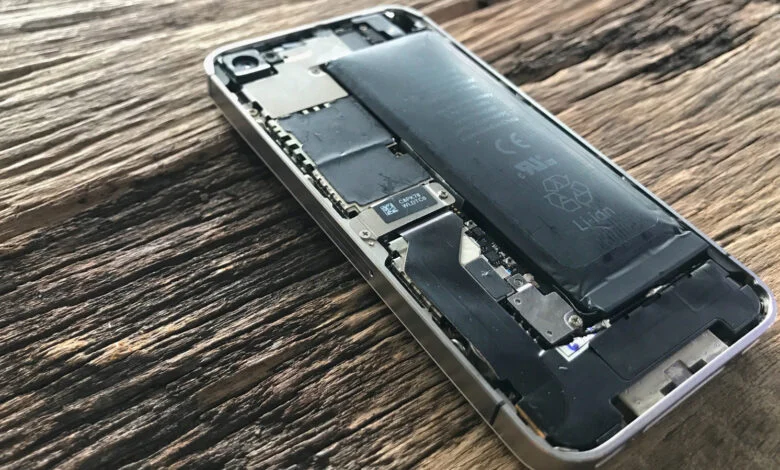
Electronics manufacturers selling smartphones and tablets in the European Union face a February 2027 deadline to make internal batteries easily replaceable, though high-durability exemptions mean flagship devices like Apple Inc.’s iPhone may avoid significant hardware redesigns.
The regulation is designed to lower electronic waste and simplify the recovery of critical raw materials such as lithium and cobalt across the 27-nation trade bloc. Under the law, a battery is classified as end-user removable if it can be replaced using standard commercial tools like screwdrivers or custom tools provided by the manufacturer at no extra cost, without applying heat or chemical solvents to break adhesive seals.
A key exemption in the rules allows manufacturers to bypass user-accessible battery designs if they supply replacement units to professional repairers and meet specific performance benchmarks. To qualify, a device’s battery must retain at least 83 percent of its original capacity after 500 full charge cycles and 80 percent after 1,000 cycles, while maintaining an IP67 rating or higher for water and dust protection.
Major hardware lines already align with these criteria. Apple states that its iPhone 15 and subsequent models are engineered to retain 80 percent capacity at 1,000 complete cycles, while devices in the iPhone 17 series meet IP68 ingress standards. Premium Android devices with similar durability ratings are likewise positioned to meet the exception requirements.
While high-end models can retain sealed designs, cheaper and mid-tier devices lacking extended battery health or IP67 waterproofing will need redesigned backplates or bundled repair tools by 2027. Because global tech brands rarely build separate chassis versions solely for the European market, the rule is expected to reshape global consumer hardware design, mirroring the EU mandate that forced Apple to adopt universal USB-C charging ports.