SpaceX Rocket Stage Slams Into Moon at 5,400 MPH, Creating New Crater for NASA Study
A 4.4-ton Falcon 9 booster stage collided with the lunar surface at 5,400 mph, prompting NASA to plan orbital imaging of the fresh crater.
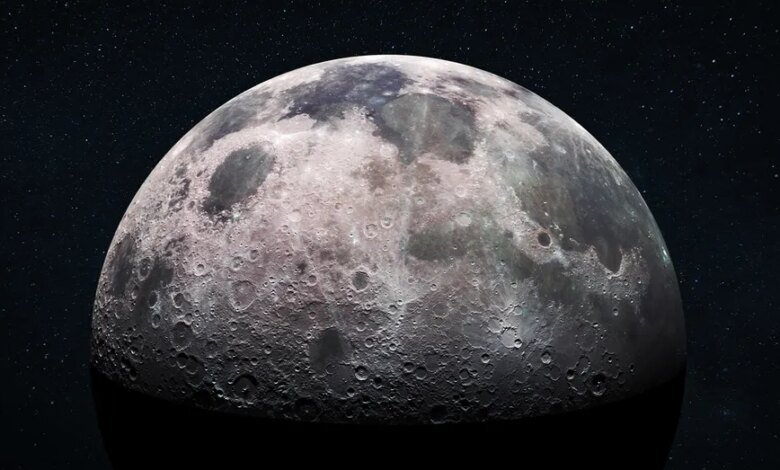
A spent SpaceX rocket stage weighing more than four tons struck the lunar surface at 5,400 miles per hour on Wednesday morning, creating a fresh crater near the moon‘s Einstein crater that scientists plan to analyze using orbiting spacecraft.
The 8,818-pound upper stage of a Falcon 9 rocket impacted the Moon at approximately 2:35 a.m. EDT on Aug. 5, 2026, according to NASA officials. The high-speed collision is projected to leave a crater roughly 60 feet wide and 12 feet deep while blasting lunar dust and rock outward across the surrounding terrain.
The rocket component was originally launched in January 2025 from Launch Complex 39A at Kennedy Space Center in Florida, carrying commercial payloads including Firefly Aerospace’s Blue Ghost Mission 1 lander and ispace’s Resilience lander. Although spent upper stages are usually left in heliocentric orbits or directed toward atmospheric re-entry, solar radiation pressure and gravitational forces pulled this hardware back toward the Moon. NASA’s Jet Propulsion Laboratory had confirmed a 100% chance of impact ahead of the collision.
Scientists are leveraging the event to gather real-time impact data. NASA intends to use its Lunar Reconnaissance Orbiter alongside the ShadowCam camera aboard South Korea’s Korea Pathfinder Lunar Orbiter to capture before-and-after imagery of the impact site. Researchers noted that image acquisition depends on orbital timing and lighting, which may require several days to receive.
NASA Administrator Jared Isaacman downplayed concerns regarding planetary safety during a Wednesday appearance on Fox & Friends, noting that natural meteoroid strikes of similar kinetic energy hit the Moon roughly every six days without causing harm to Earth.
“First, it’s very infrequent to have things like the Falcon 9 second stage crash into the Moon. Second, it’s not a big deal right now,” Isaacman said, adding that SpaceX has recovered more than 600 booster stages to date. He emphasized that future deep-space infrastructure will rely on fully reusable spacecraft like Starship that land directly on the lunar surface rather than lingering as orbital debris.
Unintended hardware collisions on the lunar surface remain rare, though not unprecedented. NASA intentionally crashed Apollo-era Saturn V upper stages into the Moon during the late 1960s and 1970s to calibrate seismic sensors, while an untracked upper stage hit the far side in March 2022. The latest impact comes amid growing lunar traffic driven by commercial exploration programs, sharpening scrutiny on deep-space debris tracking.