Retailers Face Consumer Lawsuits Over $100 Billion Tariff Refund Windfall
Shoppers sue Five Below, Sony, and Nintendo as U.S. Treasury disburses billions in struck-down IEEPA duties back to corporations.
U.S. importers have received roughly $100 billion in government tariff refunds following a landmark Supreme Court ruling, triggering a wave of consumer class action lawsuits demanding retailers pass the tax windfalls down to shoppers.
A filing submitted Tuesday to the U.S. Court of International Trade confirmed the U.S. Department of Treasury has distributed about 60% of the $166 billion in total duties collected under the International Emergency Economic Powers Act (IEEPA), which the high court struck down in February.
The rapid disbursement has sparked legal battles against major corporations from customers who contend businesses are securing a double recovery by raising retail prices to offset tariffs while retaining government rebates.
New York resident Tyasia Johns filed a class action lawsuit against discount retailer Five Below, alleging the firm preserved its profitability—boosting 2025 net sales by 22.9% to $4.76 billion—by shifting IEEPA tariff costs onto consumers through inflated prices. According to the complaint, Five Below has not disclosed whether it applied for or received refunds via U.S. Customs and Border Protection, or if it intends to reimburse shoppers.
“The money that Defendant’s customers paid as a result of the inflated prices related to the IEEPA tariffs rightfully belongs to Plaintiff and the Class,” the court filing stated, seeking injunctive relief and actual damages. “Defendant has not returned the money, nor has it represented that it has any intention of doing so.”
Five Below did not immediately respond to requests for comment.
The legal pressure extends across the consumer technology sector. PlayStation maker Sony reported a 37% year-over-year increase in operating income last week, propelled by 80 billion yen ($507.7 million) in tariff refunds. Sony customers filed a class action lawsuit in May alleging the company gained a double recovery windfall by raising console prices while simultaneously collecting government reimbursements. Sony did not immediately respond to requests for comment regarding customer refund disbursements.
Nintendo countered a separate class action lawsuit filed in April over price hikes on its Switch 2 console. In a motion filed last month, the company stated it would not distribute tariff refunds to consumers, arguing that funds paid by customers represented “the purchase price of the goods they wanted and received.”
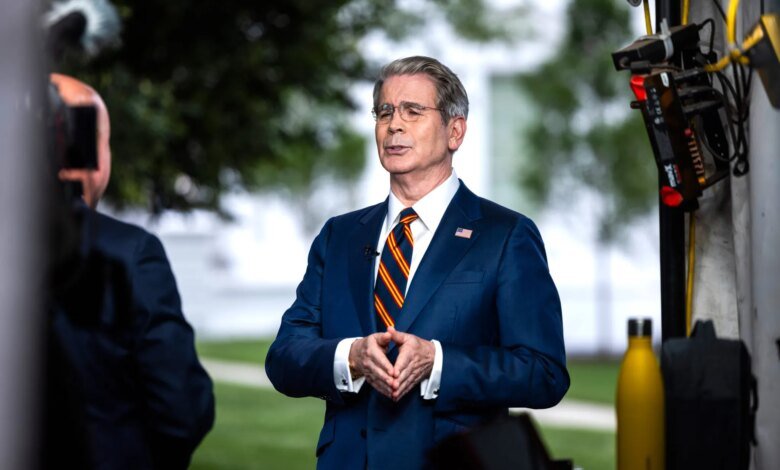
The mounting consumer litigation reflects earlier warnings from Treasury Secretary Scott Bessent, who cautioned after the Supreme Court decision that government tariff rebates risked becoming the “ultimate corporate welfare,” aiding U.S. businesses rather than the public who paid higher retail prices.
Corporate responses have diverged across retail and logistics. E-commerce company Amazon, which CFO Brian Olsavsky said largely absorbed tariff costs rather than passing them to customers, received $600 billion in tariff refunds and plans to issue automatic reimbursements under a limited set of circumstances. Amazon was previously sued in May by customers claiming it failed to seek refunds to curry favor with the Trump administration.
Freight carriers FedEx and UPS have also pledged to return money collected through tariffs. Meanwhile, major retailers including Walmart, Nike, and Abercrombie & Fitch previously instituted price hikes over the past year to manage tariff exposure.