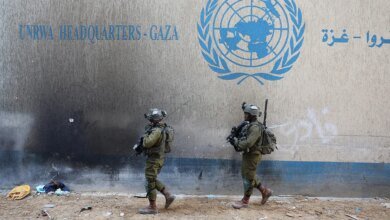
Spain Conducts Counterterrorism Checks After 72,000 Migrants Breach EU Enclave Border in Ceuta
Spanish security services review database records as thousands enter European territory through North African enclave.
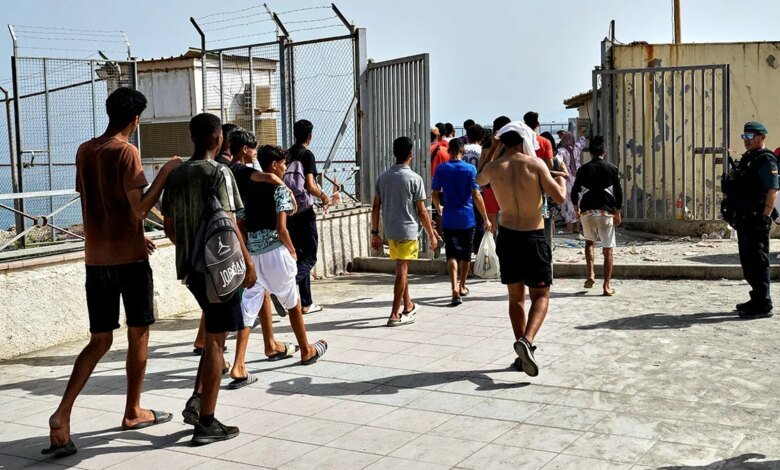
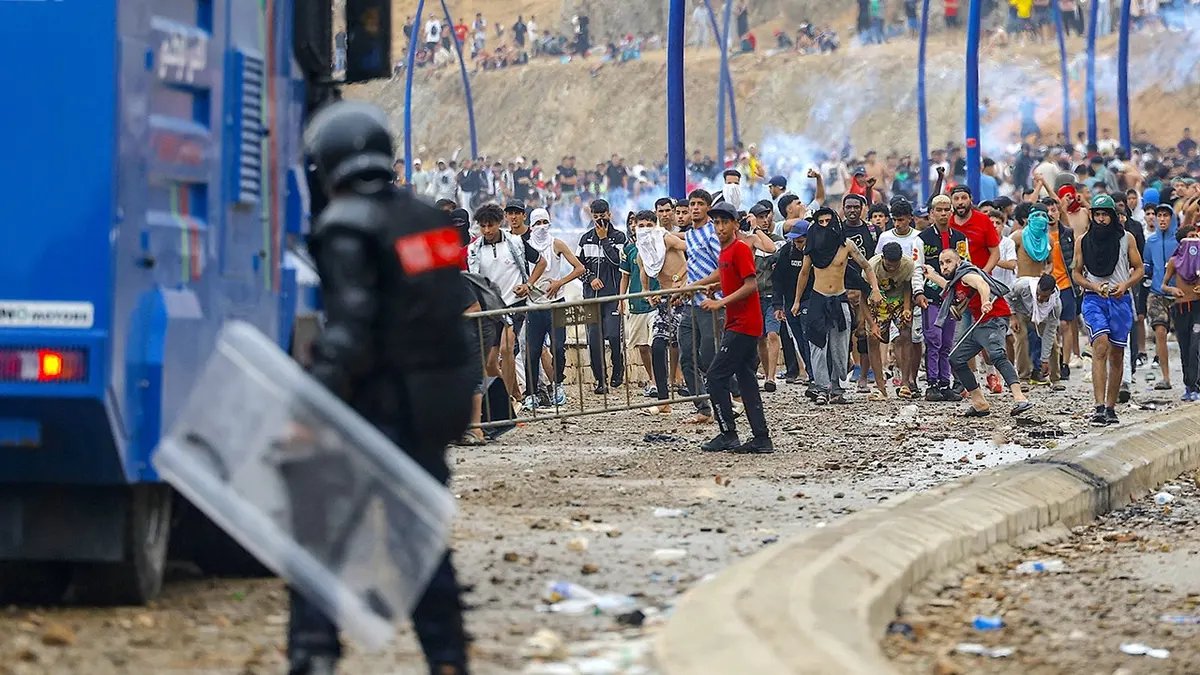
Spanish counterterrorism officers and national police forces have initiated emergency screening of individuals remaining in Ceuta following an unprecedented breach where roughly 72,000 migrants crossed from Morocco into the European Union enclave. Security officials are cross-referencing biometric data and surveillance footage against criminal and counterterrorism databases to detect potential extremist operatives who may have exploited the chaos to gain entry into Europe.
Although approximately 70,000 migrants have been returned across the border, roughly 2,000 remain inside the 7.1-square-mile territory. Local processing centers remain severely overwhelmed, particularly as officials attempt to shelter 862 unaccompanied minors who receive special legal protection under Spanish law and cannot be subject to immediate return.
<img src="https://nile1.com/en/wp-content/uploads/2026/08/MAPX_SPAIN_CEUTA_TERRITORY.jpg" alt="Map showing Spain, Morocco, and Spain's Cueta” width=”1200″ height=”675″ />
The security operation centers on the risk of infiltration by known criminals and suspected jihadists. Ceuta directly borders Fnideq—a Moroccan town also known as Castillejos that has historically served as an epicenter for extremist recruitment where authorities previously dismantled terror cells linked to foreign fighters in Syria and Iraq.
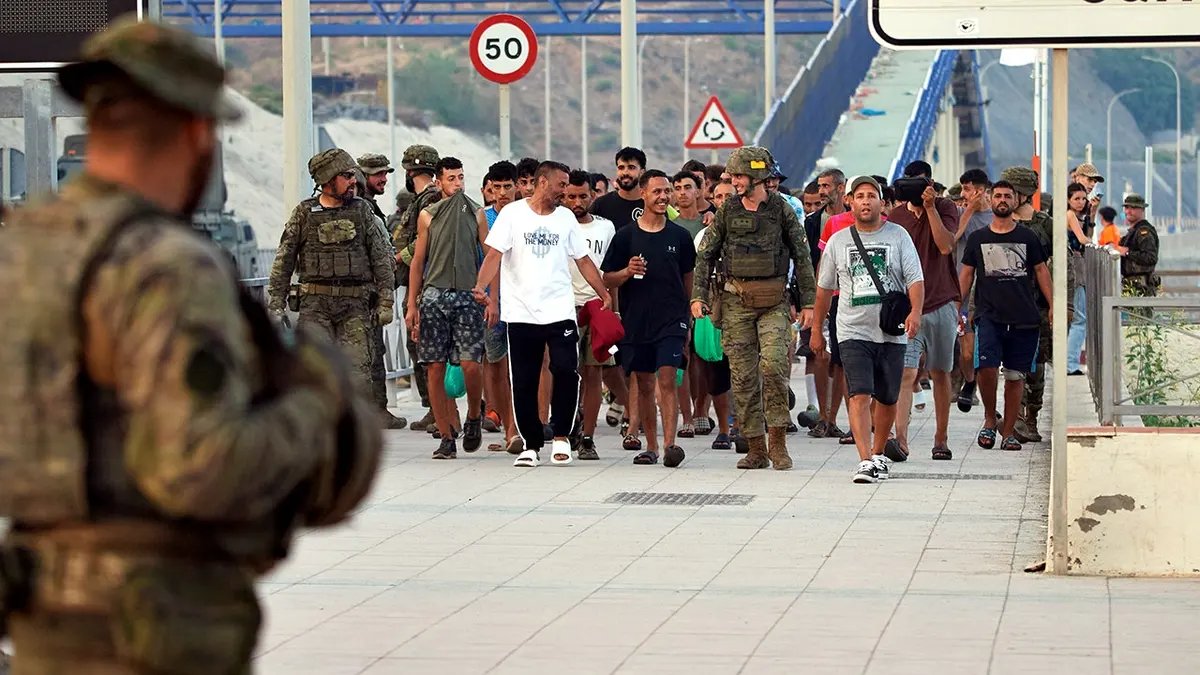
As the land border represents one of only two direct entry points between Africa and the European Union’s Schengen zone, Brussels has intervened. European Commissioner for Internal Affairs and Migration Magnus Brunner confirmed following an emergency ministerial meeting in Brussels that the EU is offering Spain immediate emergency funding and operational backing to reinforce border control.

An intelligence assessment by Golden Owl Intelligence revealed the mass movement was driven by a coordinated digital campaign generating over 11 million potential impressions across TikTok, Facebook, Instagram, and WhatsApp. Misleading content misrepresented a July 8 Spanish Supreme Court decision regarding maritime intercepts, falsely convincing users that reaching Ceuta would guarantee legal residency status in Spain. Investigators traced several administrative messaging channels involved in the push to telephone numbers using Algerian international codes.
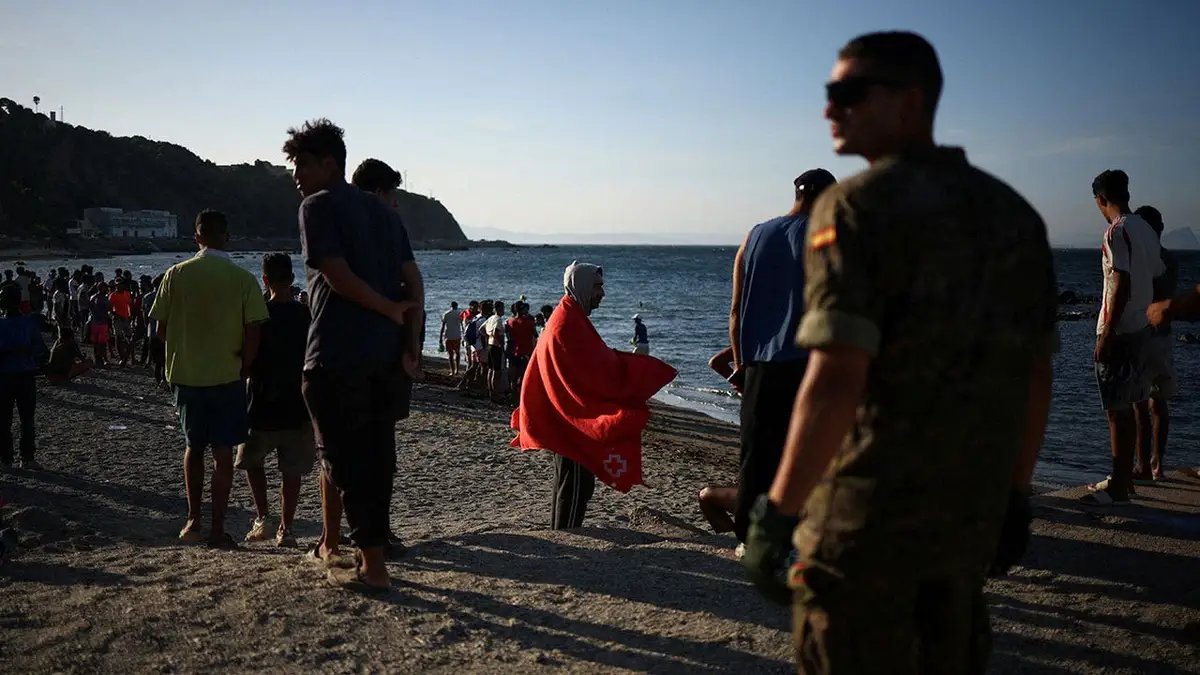
Moroccan Interior Ministry spokesman Rachid El Khalfi stated that public prosecutors opened investigations into human-trafficking syndicates and digital operatives who disseminated false claims that the border gates were open. Meanwhile, Hudson Institute research fellow Zineb Riboua noted that Islamist political factions in Morocco are leveraging the crisis ahead of the country’s September national elections to attack the monarchy’s secular policies and economic record.
Diplomatic fallout over the border failure has intensified. Ceuta President Juan Jesus Vivas Lara openly criticized Morocco, declaring that local residents believe border controls were deliberately relaxed and calling for permanent infrastructure measures to prevent future incursions. While Spanish Interior Minister Fernando Grande-Marlaska acknowledged that intelligence services gave no advance warning of the surge scale, Foreign Minister José Manuel Albares defended Rabat’s eventual police assistance in facilitating returns.