Israeli and Palestinian Officials Clash Over Control and Preservation of Ancient Solomon’s Pools
Israeli leaders accuse Palestinian authorities of neglect while Fatah claims local settlements diverted water sources feeding the historic 2,000-year-old site.

A feud between Israeli local officials and the Palestinian Authority over the preservation of Solomon’s Pools—a 2,000-year-old reservoir complex that historically supplied water to Jerusalem—has sparked renewed demands to redraw West Bank jurisdictional lines.
Israeli municipal leaders from Efrat allege that the ancient engineering marvel, located south of Bethlehem, is suffering severe neglect and deliberate sewage pollution under Palestinian civil control. Palestinian Authority representatives strongly reject the accusations, counter-alleging that Israeli settlement activity has diverted natural springs feeding the historical site.
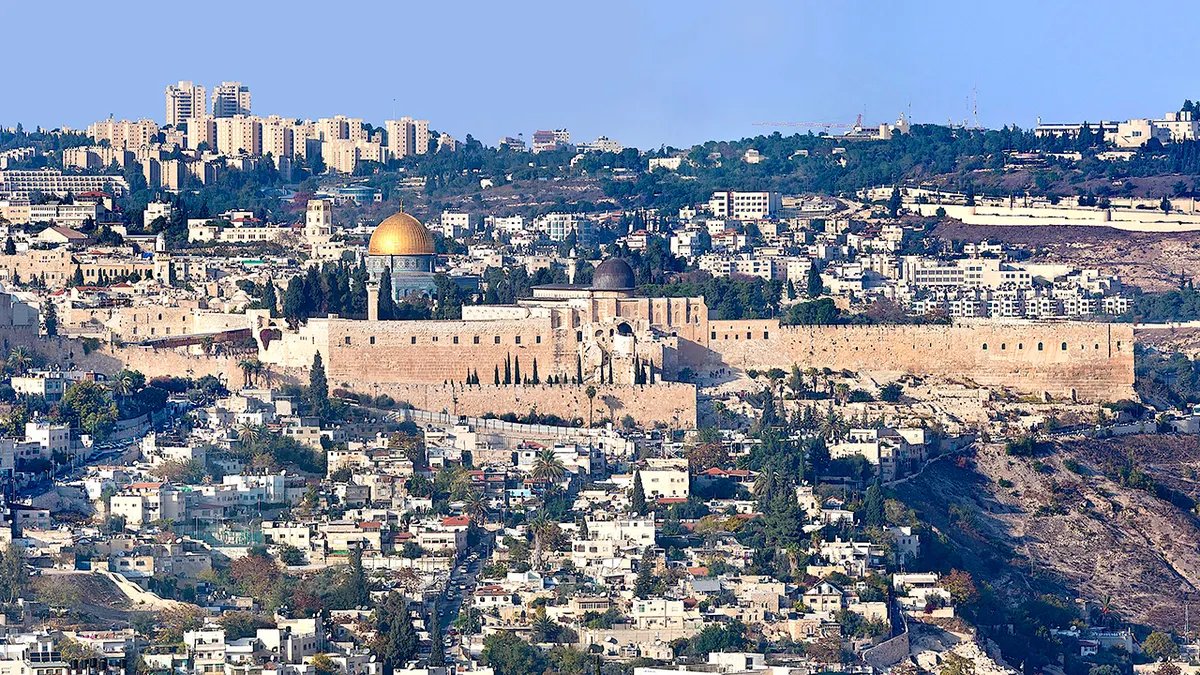
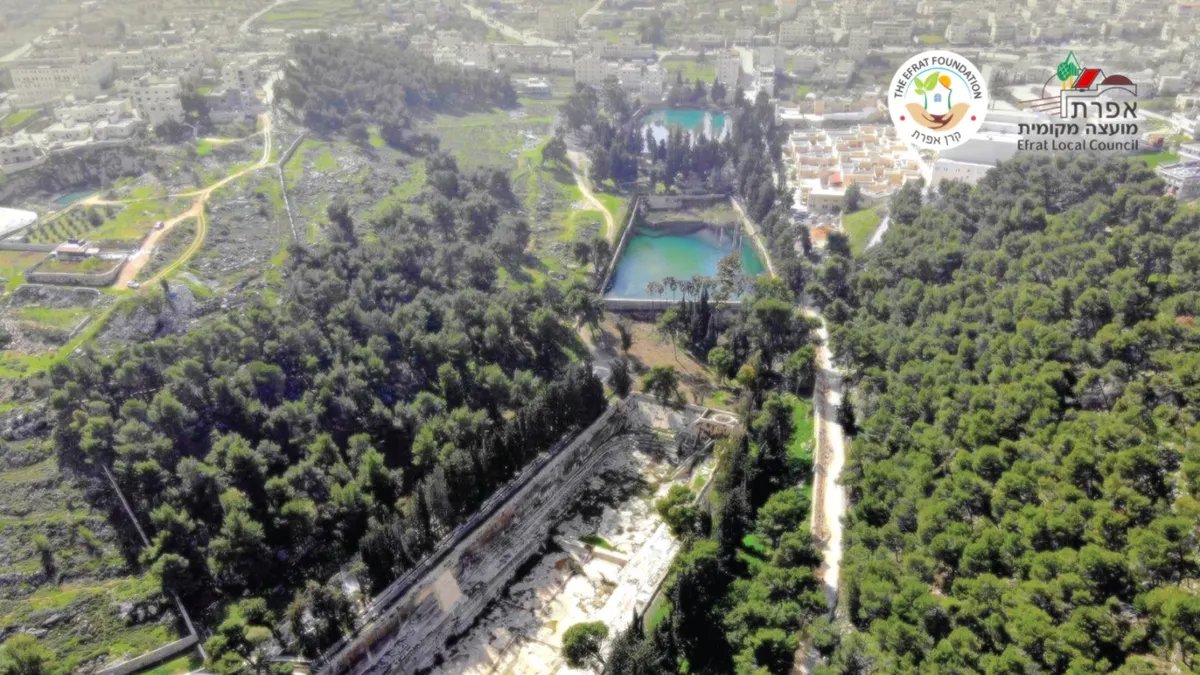
Dating to the Hasmonean period in the second century B.C. and later expanded by Herod the Great (37–4 B.C.) to supply his palace-fortress at Herodium, the three reservoirs historically funneled water to Jerusalem‘s Temple Mount. The complex holds approximately 288,000 cubic meters—over 10 million cubic feet—fed by the Arrub and el-Biyar aqueducts alongside seasonal rainwater. During the British Mandate, the area was renovated and widely referred to as “Jerusalem’s beach.”
Under the 1993 and 1995 Oslo Accords framework, which divided the West Bank into Areas A, B, and C, Solomon’s Pools were placed inside Area A under full Palestinian civil and security control. Efrat officials contend this classification resulted from a critical drafting oversight during peace talks, noting that former Prime Minister Yitzhak Rabin intended to keep the pools under Israeli oversight alongside major Judeo-Christian heritage sites such as Rachel’s Tomb in Bethlehem.
Yonatan Marcus, chief of staff of the Efrat Municipality, stated that while the label “Solomon’s Pools” remained in Area C on zoomed-out reference maps, the physical reservoirs fell inside Area A when final boundaries were mapped.
Marcus asserted that conditions deteriorated under Ramallah’s jurisdiction, reporting raw sewage deliberately diverted into the pools and Arabic warning signs barring visitors from swimming due to contamination. Because the reservoirs sit in Area A along Route 60—known as the Biblical Highway connecting Jerusalem, Efrat, and the Cave of the Patriarchs in Hebron—visits by Israeli citizens require coordinated military escorts from the IDF’s Judea and Samaria Division.
Following public pressure and site visits by high-ranking Israeli leaders, including Finance Minister Bezalel Smotrich, Palestinian crews removed roughly 200 bags of garbage from the premises. Dovi Shefler, mayor of Efrat, described the site as central to Jewish historical connection, Efrat’s spatial development, and multi-faith tourism between Jerusalem and Hebron.
Ahmad Fattouh, spokesman for Palestinian Authority President Mahmoud Abbas’s Fatah faction, disputed Efrat’s claims, stating that the Palestinian Authority has actively restored the site, known locally as Burak Sulaymān, into a functioning tourist destination. Fattouh blamed local Israeli settlers for diverting spring waters that feed the reservoirs and noted that Smotrich’s visit confirmed the pools were not dried out, accusing Israeli officials of leveraging heritage concerns to justify territorial expansion.
Yishai Fleisher, international spokesman for Hebron, stated that the ancient reservoirs are directly linked to Second Temple history and alleged that the Palestinian Authority is attempting to construct a mosque nearby to curtail Israeli presence. Fleisher called for dismantling the Palestinian Authority and asserting full Israeli sovereignty over Judea and Samaria, arguing that in the interim, administrative lines must be redrawn to shift Solomon’s Pools into Area C under Israeli military control.