Iraq and Syria Move to Revive Strategic Oil Pipeline and Deepen Security Ties
Baghdad and Damascus agree to coordinate on energy, water, and regional security.

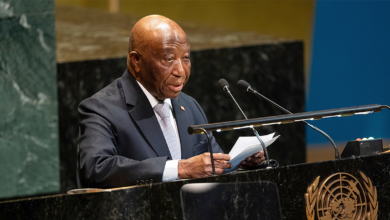
DAMASCUS — Iraq and Syria have agreed to establish a high-level joint committee to oversee political and security coordination, while moving forward with plans to rehabilitate a dormant cross-border oil pipeline. The agreement followed high-level talks in Damascus on Monday between Iraqi Foreign Minister Fuad Hussein and his Syrian counterpart, Assad al-Shaibani.
The diplomatic mission, which included Syrian Energy Minister Mohammad al-Bashir, focused on establishing a framework for long-term economic integration. Under the new agreement, the Joint Higher Committee will be chaired by the foreign ministers of both nations to ensure the implementation of bilateral projects. Specialized sub-committees will also be formed to manage cooperation in energy, agriculture, water management, transport, and border crossings.
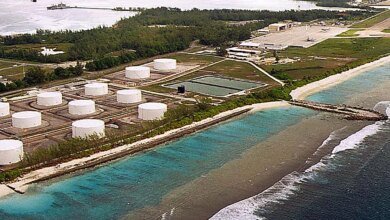
A central pillar of the discussions involved the rehabilitation of the oil pipeline connecting Iraq to Syrian ports. The infrastructure, which historically provided Baghdad with a strategic outlet to the Mediterranean, has been largely inoperative since the 2003 U.S.-led invasion of Iraq. Officials also discussed broader energy transit mechanisms and agricultural initiatives aimed at bolstering mutual food security.
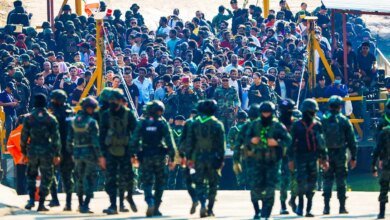
During his visit, Hussein met with Syrian President Ahmed al-Sharaa at the People’s Palace. The two leaders discussed regional stability and the necessity of maintaining a unified front against shared security challenges. Iraq and Syria share a porous 600-kilometer border that has remained a focal point for counter-terrorism efforts following the territorial defeat of the Islamic State group.
Prior to the meetings, Hussein stated that Baghdad views regional dialogue and coordination as the essential foundation for stability. The Iraqi Foreign Ministry noted that the talks are part of a broader effort to develop political, security, and commercial ties that serve the interests of both nations.
The move to strengthen ties comes as both countries seek to navigate complex regional dynamics. By focusing on economic corridors and infrastructure, Baghdad and Damascus aim to transition from purely security-based cooperation toward a more integrated economic partnership.