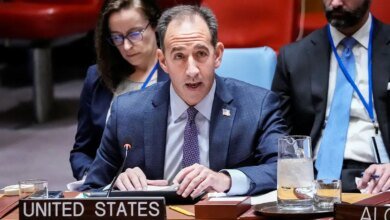
Czech Minister Warns EU Climate Mandates Threaten Industrial Collapse
Igor Červený calls for a "win-win" approach to protect the European economy from aggressive green regulations.
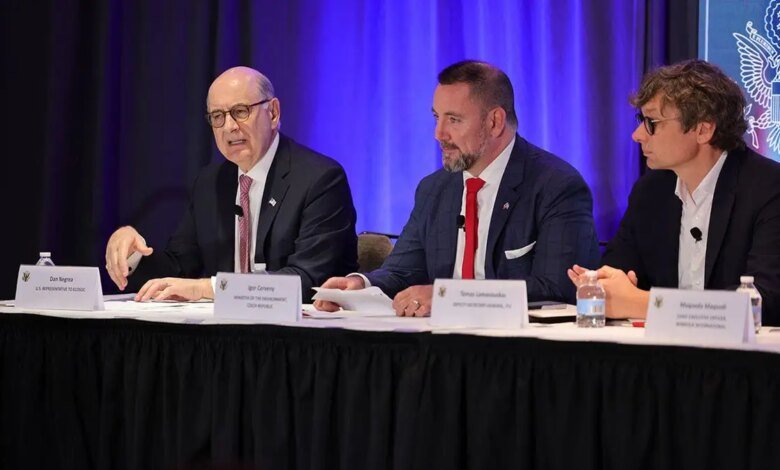
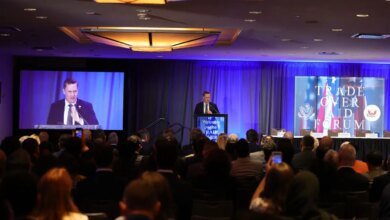
Europe faces a potential dismantling of its industrial base if political leaders do not scale back aggressive environmental regulations, according to Czech Environment Minister Igor Červený. Speaking at the United Nations High-Level Political Forum on sustainable development in New York, Červený warned that the current trajectory of the European Union’s climate agenda risks driving manufacturers out of the continent entirely.
The minister’s remarks highlight a deepening rift within the bloc over the European Green Deal, a massive policy framework aimed at making Europe the first climate-neutral continent by 2050. While Brussels has doubled down on these targets, Prague and several other regional capitals argue that the cost of compliance is becoming unsustainable for the private sector.
Červený noted that many manufacturers, particularly within the vital automotive sector, are already shifting production to jurisdictions with lower regulatory burdens, such as China. This exodus, he argued, threatens to strip European governments of essential tax revenue and jobs, ultimately weakening the very economic foundations needed to fund a transition to renewable energy.
The Czech Republic has been leading a coalition of member states, including Poland, Slovakia, and Hungary, in demanding a more pragmatic approach. These nations have specifically targeted emissions-trading rules and the expansion of carbon markets to include buildings and road transport. Critics argue these measures disproportionately impact Central and Eastern European economies, which often rely more heavily on traditional manufacturing and have different energy profiles than their Western neighbors.
According to Červený, the prevailing green ideology in Brussels has often ignored the practical needs of industrial competitiveness. He advocated for a “win-win” strategy that balances ecological goals with economic survival, suggesting that the return of Donald Trump to the White House has emboldened European politicians who favor deregulation and a more cautious approach to climate mandates.
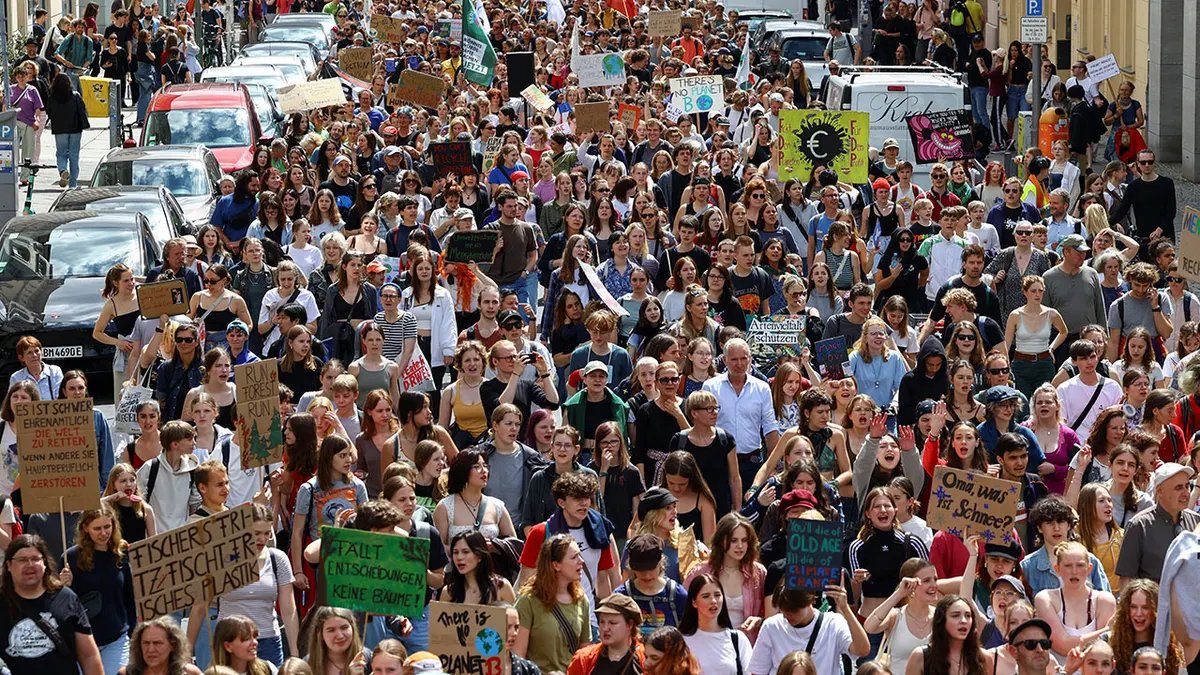
This perspective stands in sharp contrast to the official stance of the European Commission. Jessika Roswall, the European Commissioner for Environment, recently reaffirmed the bloc’s dedication to the 2030 Agenda, the U.N. framework for global development. Roswall argued that the world is facing a triple planetary crisis of climate change, pollution, and biodiversity loss, which requires an acceleration—rather than a slowdown—of green initiatives.
The debate comes at a critical time for the global economy. The United States and Europe are currently navigating complex trade tensions, partly fueled by the U.S. Inflation Reduction Act, which provides massive subsidies for domestic green industries. European leaders fear that without their own competitive industrial policy, they will lose out to both American subsidies and Chinese manufacturing dominance.
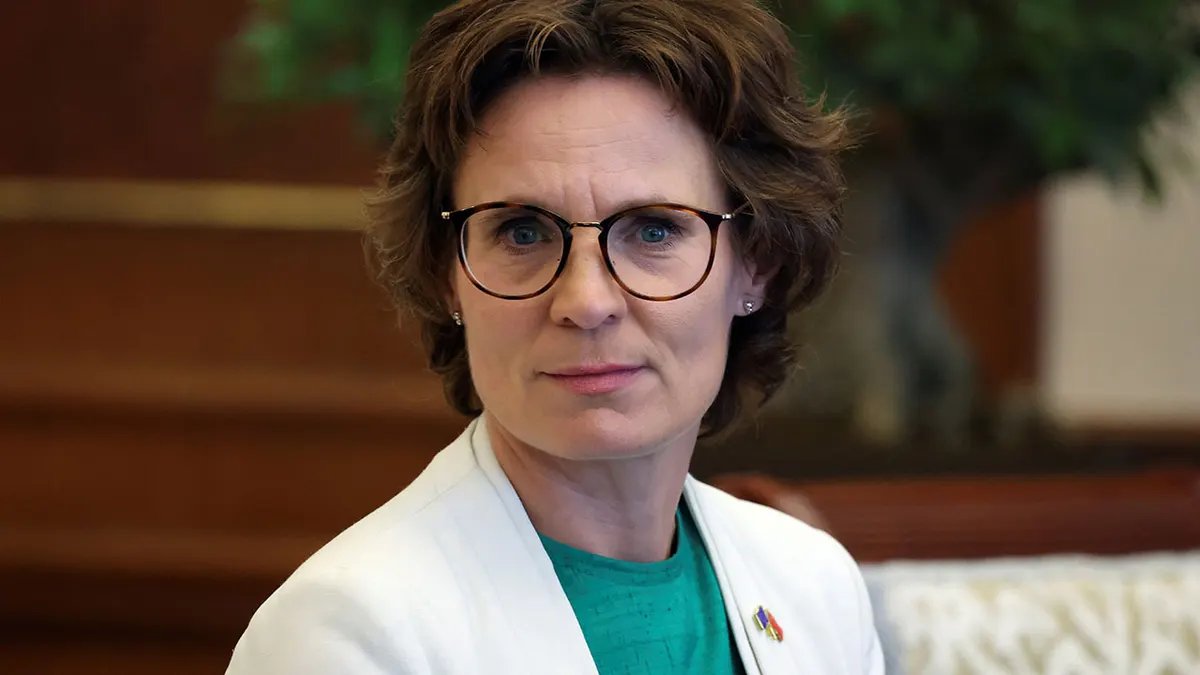
While the U.N. forum serves as a platform to review progress toward global goals, the friction between environmental ambition and industrial reality remains a primary concern for the Czech government. Červený emphasized that sustainability should be pursued gradually, ensuring that the transition does not result in the permanent loss of the continent’s economic engine.
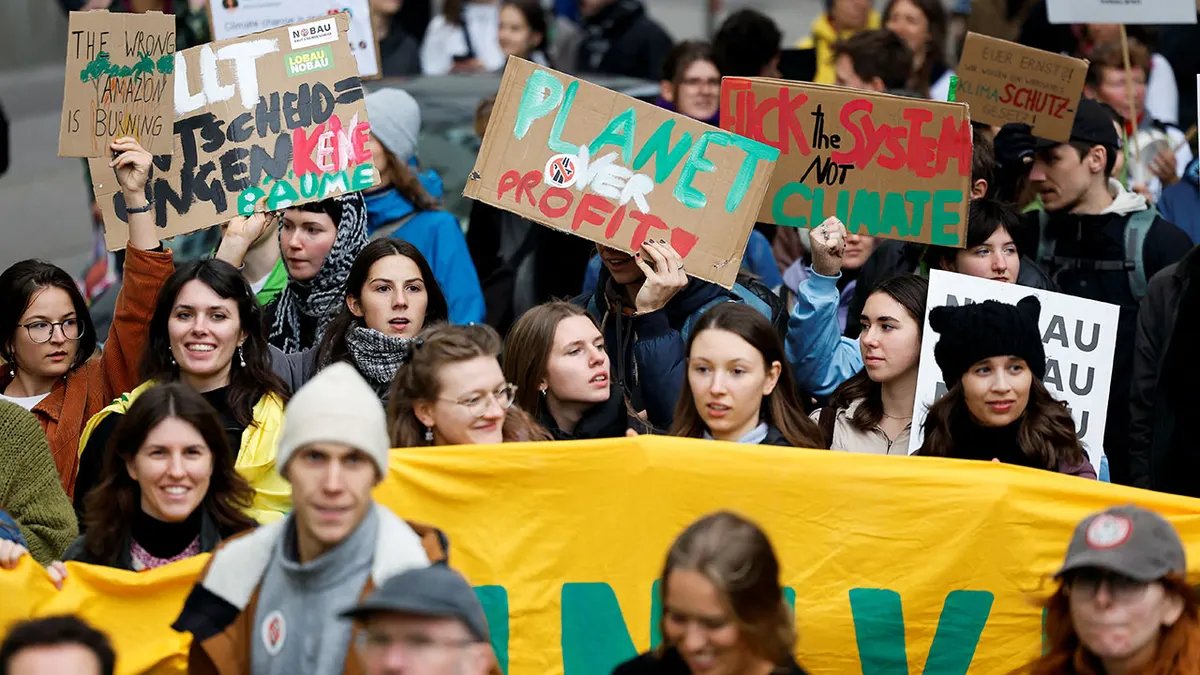
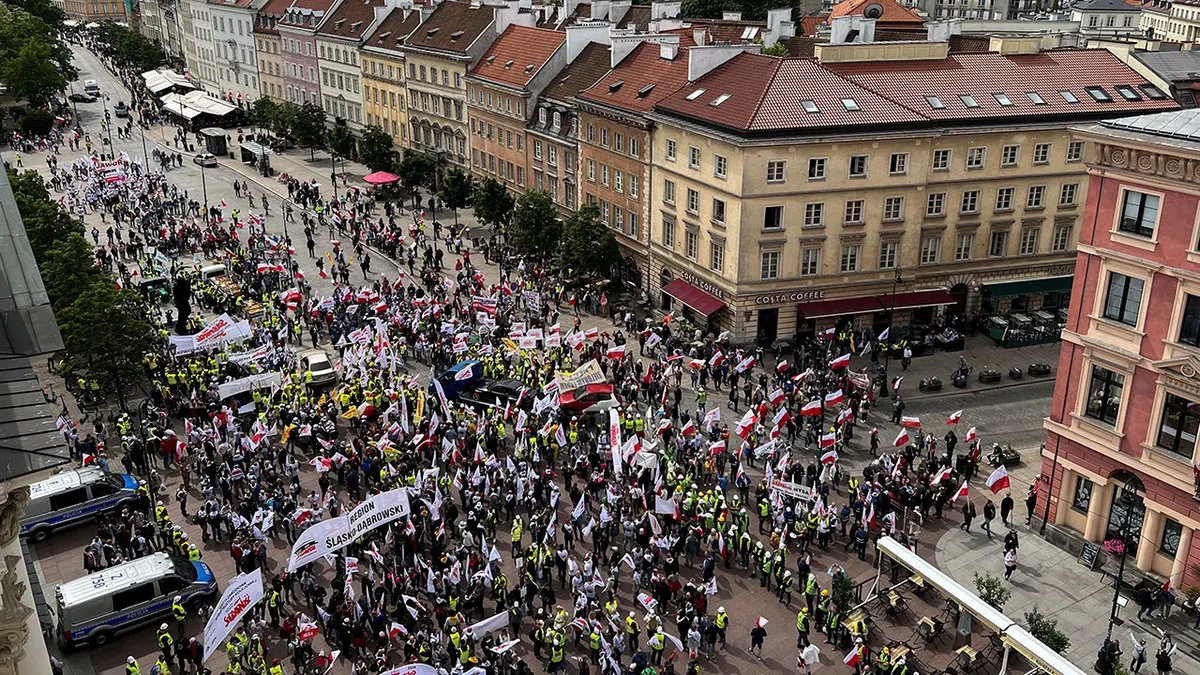
The resistance to current EU policies is not limited to government officials. Recent months have seen widespread protests from farmers and trade unions across Germany, Poland, and Austria, all voicing concerns over rising energy costs and the perceived overreach of environmental directives. As the 2030 deadline for international climate targets approaches, the pressure on European leaders to reconcile these conflicting demands is likely to intensify.