Iran Accused of Deploying Revolutionary Guard to Yemen as Houthi Blockade Threatens Red Sea Trade
Secretary of State Marco Rubio warns of a dangerous precedent as Houthi rebels target Saudi shipping in the Bab el-Mandeb Strait.

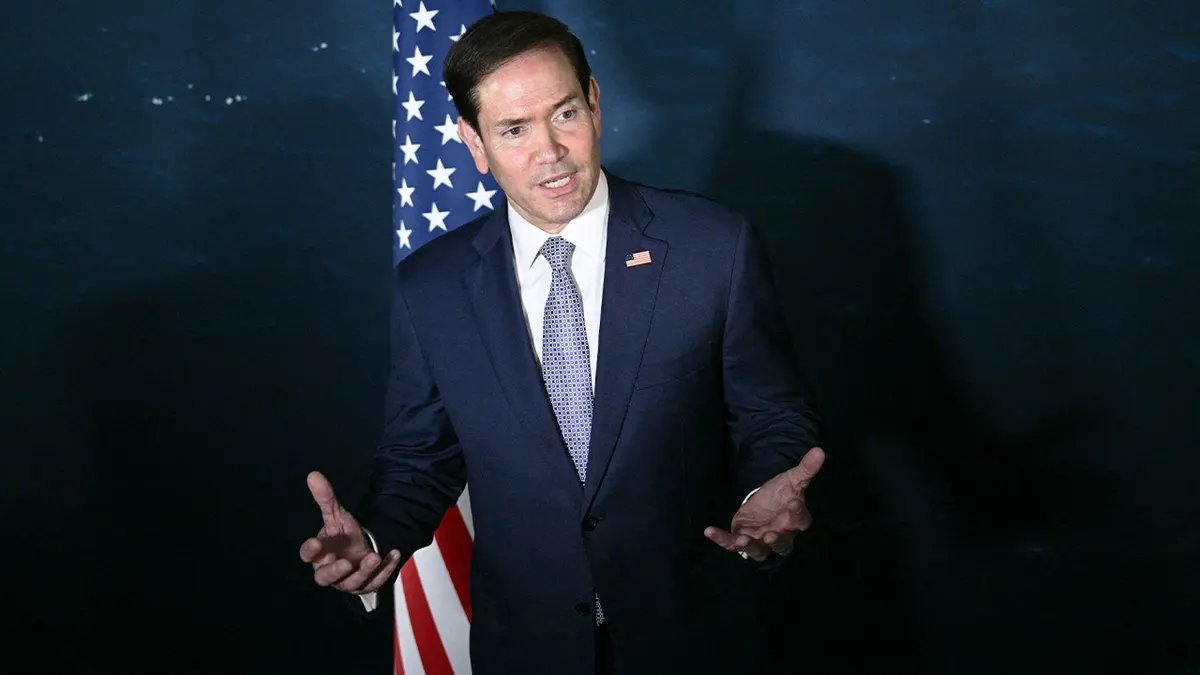
U.S. Secretary of State Marco Rubio has accused the Iranian government of directly escalating the conflict in Yemen by transporting members of the Islamic Revolutionary Guard Corps (IRGC) into the country via direct flights from Tehran. Speaking at an annual gathering of the Association of Southeast Asian Nations (ASEAN) in Manila, Rubio linked these deployments to a renewed maritime blockade by Houthi rebels targeting Saudi Arabian interests in the Red Sea.
The accusation marks a significant shift in the rhetoric surrounding the long-standing proxy war. According to Rubio, the arrival of IRGC personnel served as a catalyst for the Houthis’ recent decision to declare a blockade against all Saudi-linked vessels in the Bab el-Mandeb Strait. While the Secretary of State did not provide specific flight manifests or intelligence data to the public, he asserted that the movement of Iranian military elements was a primary driver behind the current regional volatility.
The Bab el-Mandeb Strait is one of the world’s most vital maritime chokepoints, serving as the southern gateway to the Suez Canal. Approximately 12% of total global trade and nearly a quarter of the world’s container traffic pass through this narrow passage. Any disruption here forces cargo ships to take the much longer and more expensive route around the Cape of Good Hope, a move that historically triggers spikes in global shipping costs and energy prices.
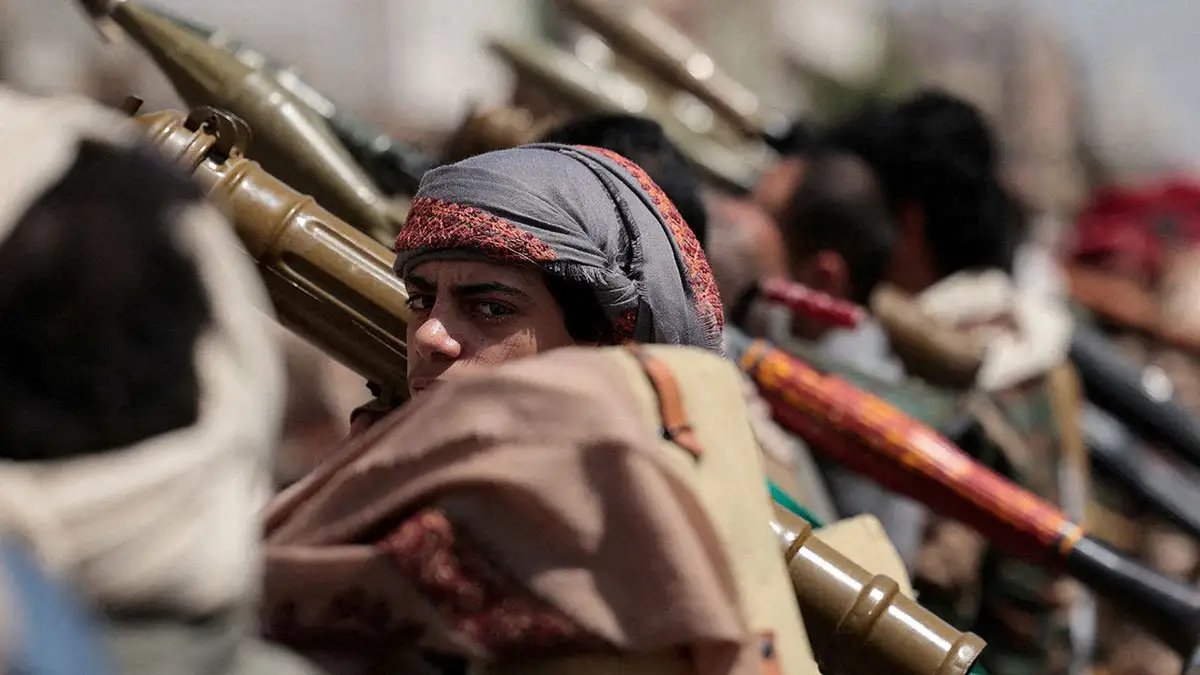
The Houthi rebels, who have controlled the Yemeni capital of Sanaa since 2014, claim their blockade is a defensive measure. They cited recent Saudi restrictions and an alleged strike on the Sanaa airport as justification for their maritime campaign. In a sharp escalation, the group recently launched a series of drone and missile strikes against Abha International Airport in southern Saudi Arabia, an installation that has been a frequent target during the decade-long conflict.

The maritime threat comes as the U.S. military intensifies its direct pressure on Iranian assets. U.S. Central Command confirmed it has conducted 11 consecutive nights of precision strikes against Iranian targets, focusing on drone storage facilities and aircraft hangars. These operations are part of a broader strategy to degrade the capabilities of what Washington describes as Iranian-backed destabilizing actors, including Hezbollah in Lebanon and various militias in Iraq.
Rubio warned the international community in Manila that allowing a non-state actor or a hostile nation to dictate terms in international waters would set a catastrophic precedent. He compared the situation in the Red Sea to the ongoing tensions in the Strait of Hormuz, where Iran has previously been accused of seizing tankers and harassing commercial traffic. The Secretary suggested that if such actions go unchallenged, similar tactics could eventually be employed in other contested waterways, including the South China Sea.
The economic stakes for Saudi Arabia are particularly high. As tensions with Iran have complicated shipping through the Strait of Hormuz, the Kingdom has pivoted toward its Red Sea ports to ensure the steady export of crude oil. A sustained Houthi blockade in the Bab el-Mandeb would effectively pin in Saudi exports, creating a dual-front maritime crisis for the world’s largest oil exporter.
While Houthi-aligned media outlets claim several vessels have already been forced to divert their courses, these reports remain difficult to verify independently. In Washington, President Donald Trump indicated that while the U.S. is monitoring the situation, the full impact of the blockade has yet to be felt. He maintained a firm stance, suggesting that the U.S. is prepared to intervene militarily should the flow of global commerce be significantly obstructed.