Developers Cut Claude Code Token Usage by 80% as Anthropic Trims System Prompts
Community scripts and official system prompt reductions resolve context bloat and latency issues in Anthropic's AI coding tool.
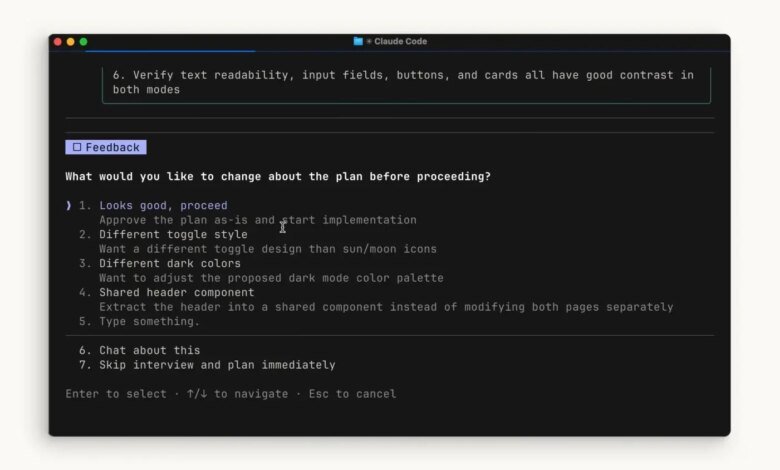
Software developers leveraging agentic artificial intelligence for programming face growing operational costs and performance bottlenecks driven by aggressive token consumption in command-line environments. In tools like Claude Code, detailed terminal operations can inadvertently flood context windows, causing response times to lag and depleting API limits rapidly during long coding sessions.
The architecture of conversational large language models requires sending the complete execution and chat history back to the model with every prompt iteration. When autonomous agents execute unconstrained search commands such as grep or read entire multi-thousand-line files to modify single functions, thousands of redundant lines are permanently appended to the active session. According to an analysis published on Hacker Noon, these unbounded commands quickly saturate memory limits, forcing developers to pay for unnecessary data overhead on every subsequent turn.
Attempts to mitigate context bloat by inserting behavioral instructions into global configuration files, such as CLAUDE.md, often fail over extended sessions. Large language models frequently experience context drift, gradually ignoring previous instructions and reverting to unconstrained file inspection as the conversation history grows longer.
To solve this systemic inefficiency, developers created a pre-execution filter plugin designed to intercept commands before they enter the model’s active context. Built around a script called enforce-limits.sh and deployed using a standard JSON manifest file, the plugin acts as a gatekeeper. It automatically detects excessive search queries or broad file reads, rewriting the underlying terminal syntax into optimized parameters before delivering the modified command as an automatic suggestion to the agent.
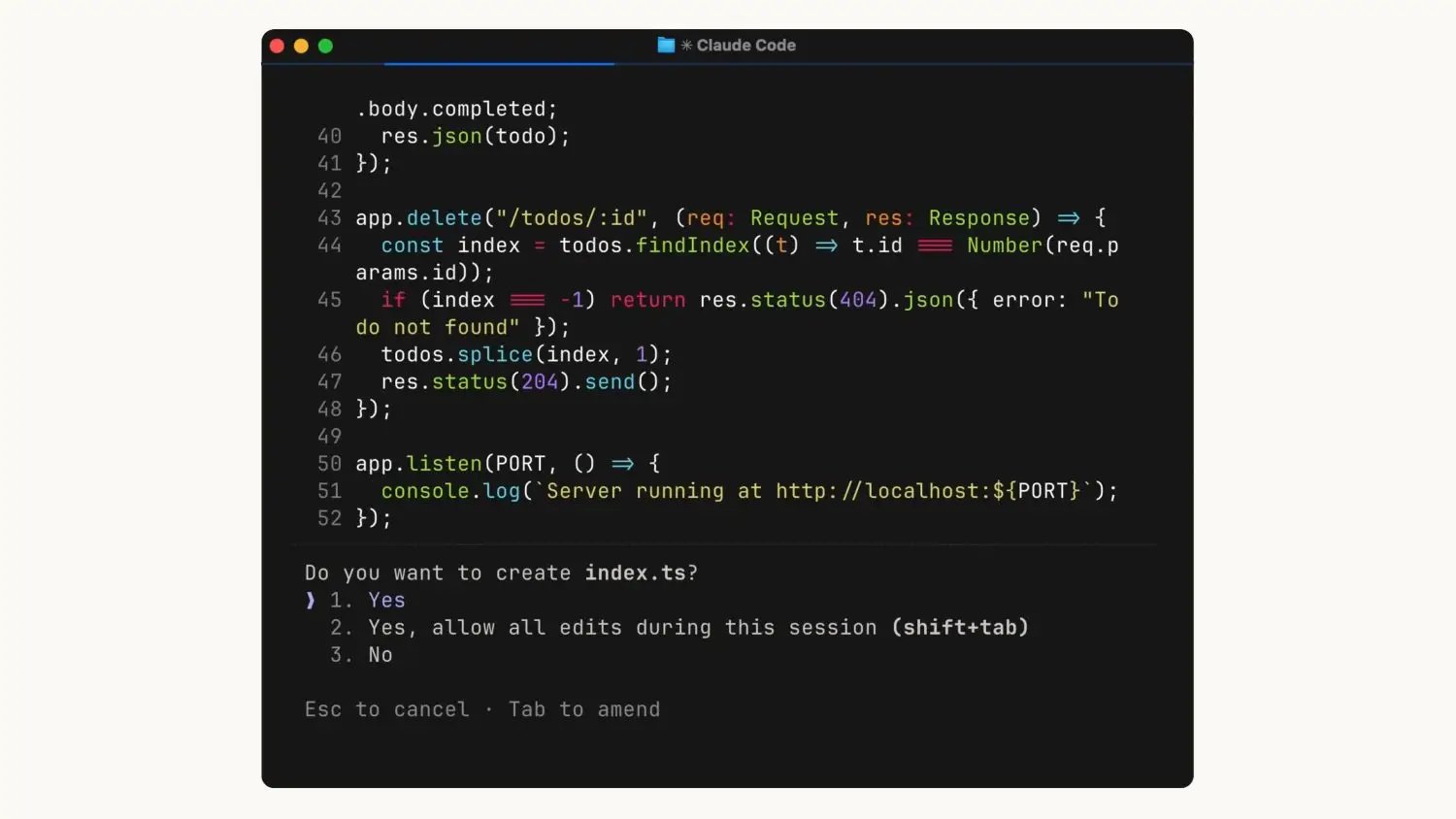
Initial benchmarks demonstrate that using the pre-execution filtering framework reduces total token consumption by 75% to 80% during intensive editing tasks. By blocking massive outputs from ever reaching the model’s input buffer, developers experience significantly faster agent response times and avoid redundant execution loops.
Paralleling these community-driven fixes, developer Anthropic confirmed recent server-side optimizations to Claude Code aimed at streamlining background efficiency. The company eliminated more than 80% of the tool’s original system prompt, citing that improvements in current model architecture allow Claude to exercise stronger inherent judgment without relying on explicit procedural rules.