Apple Postpones Smart Glasses Launch to Late 2027 Over Privacy Safeguards
Cupertino pushes project N50 to late 2027 to address recording and data privacy issues.
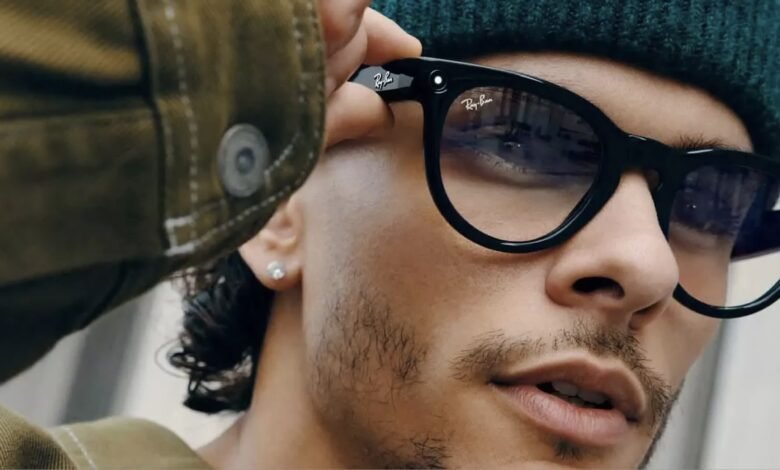
Cupertino tech giant Apple has postponed the release of its upcoming smart glasses, internally codenamed N50, pushing the target launch to late 2027 as engineers work to address significant privacy challenges inherent to facial-mounted cameras.
According to reporting by Mark Gurman, the delay reflects Apple’s effort to reconcile its long-standing corporate stance on user privacy with a hardware category long plagued by surveillance concerns. The N50 project was previously expected to make its initial appearance ahead of an early 2027 release schedule.
To differentiate its product from existing market offerings, Apple is engineering hardware and software safeguards focused heavily on user confidentiality. The planned privacy framework prioritizes processing data directly on the device rather than routing sensitive footage to cloud servers. Apple also plans to block captured imagery from being shared with third-party human review teams or utilized for artificial intelligence model training, while avoiding any always-on recording capabilities.
The company is further considering hardware variations, ranging from models that entirely omit camera modules to systems equipped with full camera arrays that remain strictly prohibited from recording video or taking photos. Apple is also exploring tamper-detection software that disables recording if physical indicators are obstructed—a mechanism recently adopted by competitor Meta.
Wearable optical devices have faced continuous public backlash and ethical scrutiny since the 2013 debut of Google Glass. Misgivings around covert filming intensified following reports that contract staff working on Meta smart glasses were fired after revealing that human data labelers were reviewing intimate footage captured by Ray-Ban Meta devices.
Regulatory frameworks are increasingly restricting wearable recording devices in sensitive environments. New York recently became the first U.S. state to ban smart glasses in courtrooms to prevent unauthorized recordings of court proceedings, following established legal guidelines supported by civil rights advocates such as the Electronic Frontier Foundation.