House Leadership Launches National Campaigns as Control of Congress Hangs on Few Toss-Up Seats
Party leaders launch competing national tours as midterm elections pivot on a narrow slate of toss-up districts.
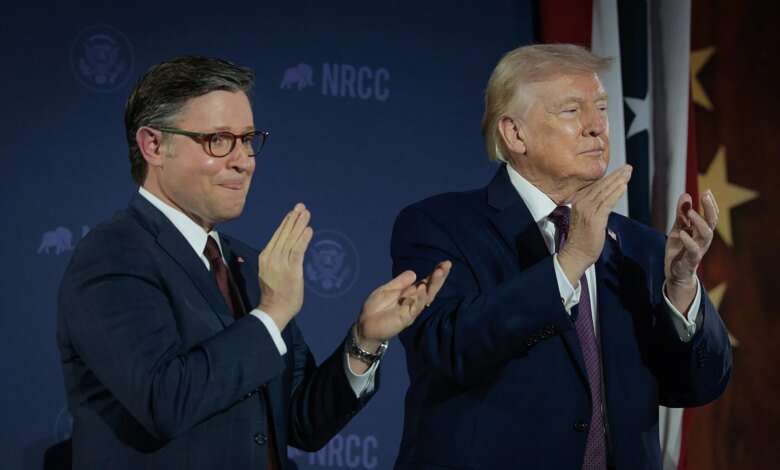
As lawmakers head into summer recess, leadership in the U.S. House of Representatives is launching aggressive nationwide campaigns to capture control of the 435-seat chamber, setting the stage for a midterm election that will determine the legislative direction of the federal government.
House Minority Leader Hakeem Jeffries is launching a “100 Days of Action” campaign aimed at securing a Democratic majority. Jeffries outlined plans to position the party as a crucial legislative check on executive authority, promising increased oversight and investigations into White House operations, including administrative actions and executive business dealings. Democratic strategists are focusing heavily on economic pressures, framing their platform around constituent relief from rising living costs, tariff impacts, and cuts to social programs.
Concurrently, Speaker Mike Johnson is embarking on a multi-state fundraising tour to defend and expand the current Republican majority. Johnson pointed to a recent flurry of legislative actions, including a budget resolution directing $95 billion toward the Iran war and other national security priorities, a $1 trillion spending bill for defense, and proposed legislation to regulate congressional stock trading. Characterizing the election as an ideological choice, Johnson highlighted risk warnings regarding progressive candidates backed by organizations such as the Democratic Socialists of America.
The campaign strategies highlight differing approaches among frontline lawmakers and freshmen navigating a polarized electorate. Freshman Representative Suhas Subramanyam, a Democrat from Virginia, noted that candidates often fare better by highlighting individual constituent accomplishments rather than broader institutional performance, arguing that recent sessions have ceded considerable authority to the executive branch. In contrast, Republican freshman Representative Brandon Gill of Texas defended the legislative record of the current majority, pointing to significant tax adjustments, mandatory spending reforms, and over $100 billion designated for border security measures.
Historically, midterm elections function as a referendum on the sitting president’s administration, with the incumbent party routinely facing seat losses. Since World War II, the president’s party has lost an average of over two dozen seats in midterms, a dynamic that historically shifts power in balanced legislative chambers. Political analysts estimate that fewer than 20 seats across the entire country are true toss-ups, with many district lines influenced by ongoing redistricting disputes following U.S. House of Representatives governance standards and recent Supreme Court decisions impacting the Voting Rights Act.
Addressing the partisan atmosphere, Representative James Gallagher, a Republican freshman from California, emphasized that focusing on practical problem-solving remains essential for lawmakers seeking to build consensus across divided voter bases.