Apple Developing iOS System to Lock iPhone Apps Over Missed Payments
Code in iOS beta reveals a remote restriction mechanism for upcoming hardware leasing programs.

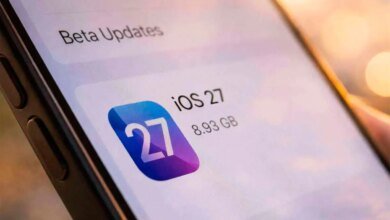
Apple is preparing a software mechanism that would enable financial partners to lock down non-essential applications on leased devices if customers fall behind on their monthly payments. References found in early code for iOS 27 show an internal system designed to enforce contract compliance on hardware distributed through subscription and leasing programs.
The technology, identified as “App Managed Features” and first reported by 9to5Mac, allows approved financial institutions to enroll devices and periodically verify account standing. Should a customer breach their financing agreement or default on payments, the lender can trigger a “Restricted Mode.” This setting blocks access to the vast majority of installed third-party and built-in applications until the financial dispute is settled.
Under the restricted framework, only a select group of core system tools remain accessible. These include essential functions such as Phone, App Store, Health, Clock, Settings, Wallet, Passwords, Magnifier, and Accessibility Reader. Emergency communication tools and critical alert systems—including Messages, Home, and select health monitoring software—are also permitted to function. However, third-party media and entertainment software would be rendered unusable. Crucially, recurring digital subscriptions attached to blocked applications would not automatically pause, leaving consumers potentially liable for paid services they cannot access.
Beyond software restrictions, the code highlights a secondary security protocol known as “Partner Finance Lock.” Integrated directly into Apple’s Find My ecosystem, this measure prevents a defaulted device from being wiped, restored to factory settings, resold, or harvested for spare parts. While the system maintains hardware lockdown even after a device reset, Apple’s architecture restricts financing companies from accessing real-time location data of the user.
The discovery aligns with recent reports from Bloomberg regarding a new hardware subscription model tentatively titled “Apple Upgrade.” Developed in partnership with Swedish fintech giant Klarna, the program is slated to launch in the United States as early as July 28. The initiative would offer 24-month lease structures for iPhones and Apple Watches, alongside 36-month payment terms for Mac computers and iPad tablets.
Remote locking tools are increasingly becoming standard in the consumer tech financing sector. Tech companies and telecom carriers have long utilized hardware-level locks to manage defaulted device loans. For instance, Google previously deployed its own Device Lock Controller API for Android, allowing credit providers to remotely restrict device functionality on defaulted loans. As Buy Now, Pay Later services expand rapidly into high-value electronics, regulatory bodies such as the United States Consumer Financial Protection Bureau have increased scrutiny on consumer debt practices, hidden fees, and account enforcement mechanisms.
If launched, the new leasing framework is expected to replace Apple’s legacy iPhone Upgrade Program and standard monthly installment plans for new applicants. Monthly rates under the Klarna-backed arrangement are anticipated to be lower than current financing alternatives, though the agreements will omit AppleCare coverage and exclude entry-level hardware such as the base iPhone 16, Apple Watch SE, entry-level iPad, and MacBook Neo. Neither Apple nor Klarna has officially announced the hardware program or confirmed the final rollout of the iOS management code.