Samsung Debuts Galaxy Z Fold 8 Ultra with Silicon-Carbon Battery and Record-Thin Design
The new flagship features a 4.1mm unfolded profile, silicon-carbon battery tech, and advanced AI automation.
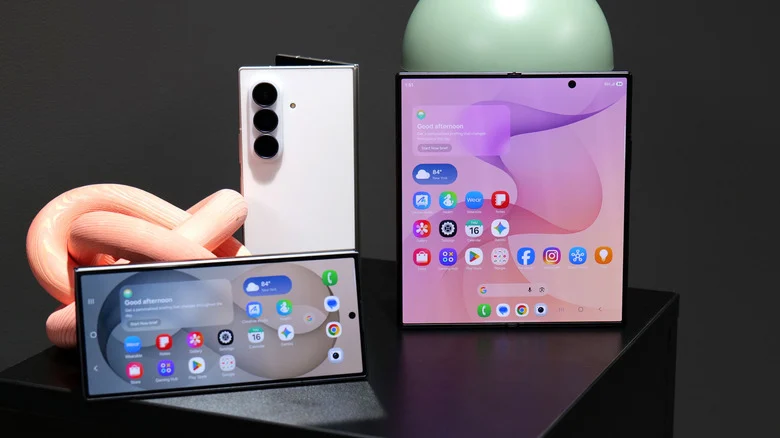
Samsung has officially expanded its foldable lineup with the introduction of the Galaxy Z Fold 8 Ultra, a flagship device that pushes the boundaries of engineering to achieve a record-breaking 4.1mm thickness when unfolded. The new model, which carries a starting price of $2,100, arrives alongside a redesigned base model, marking a strategic shift in how the South Korean tech giant categorizes its premium bendable handsets.
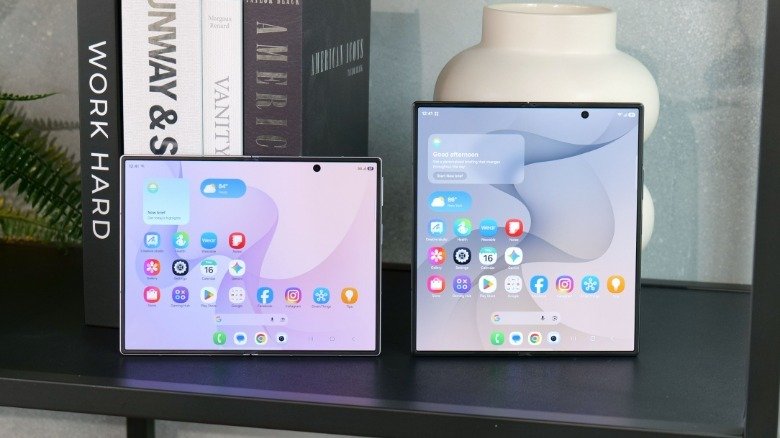
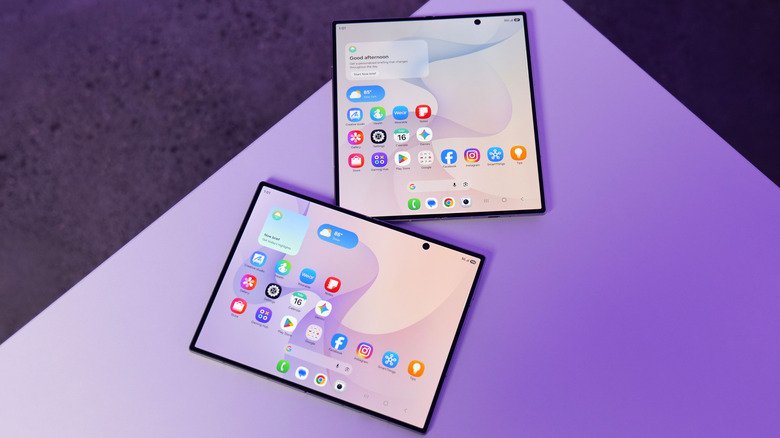
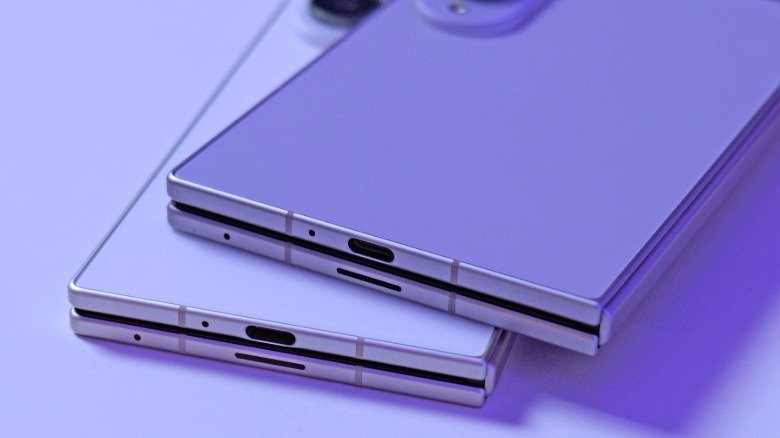
The Galaxy Z Fold 8 Ultra retains the core silhouette of its predecessor but introduces subtle ergonomic refinements. Samsung has implemented more rounded corners and tapered edges to improve the ease of opening the device, a common pain point in previous generations. Despite its slim profile—measuring just 8.9mm when closed and weighing 215 grams—the device maintains an IP48 rating for dust and water resistance, providing a level of durability that was once considered impossible for complex hinge mechanisms.

Central to the Ultra’s appeal is its 8-inch internal AMOLED display, which now reaches a peak brightness of 3,000 nits, up from the 2,600 nits seen on the Z Fold 7. To address the perennial issue of the screen crease, Samsung has debuted “Flex Titanium” technology. This involves a specialized titanium alloy layer positioned beneath the flexible OLED panel, designed to provide structural support and minimize the visual and tactile indent where the screen folds.

Under the hood, the device is powered by the Snapdragon 8 Elite Gen 5 for Galaxy, paired with up to 16GB of RAM and 1TB of internal storage. This hardware configuration is supported by a significant advancement in battery technology. For the first time in its foldable line, Samsung is utilizing silicon-carbon chemistry in its 5,000mAh battery. Silicon-carbon anodes allow for higher energy density compared to traditional lithium-ion cells, enabling the manufacturer to increase capacity without increasing the physical footprint of the battery—a critical factor in maintaining the phone’s ultra-thin chassis.
Charging capabilities have also seen a boost, with wired speeds now reaching 45 watts and wireless charging hitting 20 watts. While the device is marketed as “Qi 2 ready,” it lacks an internal magnetic ring for direct accessory attachment, a compromise likely made to preserve the device’s thinness. Samsung expects users to bridge this gap through first-party cases equipped with integrated magnets.
The camera system remains a focal point for the Ultra branding. It features a 200-megapixel main sensor and a 10-megapixel telephoto lens with 3x optical zoom. The ultra-wide lens has been upgraded to a 50-megapixel sensor, improving performance in landscape and architectural photography. On the software side, Samsung is deepening its partnership with Google to integrate intelligent automation tools. These features allow users to execute complex tasks, such as booking concert tickets or ordering food, through voice commands that navigate multiple app interfaces automatically.

The launch of the Ultra model creates a new hierarchy within Samsung’s foldable portfolio. While the Ultra targets power users with its high-resolution cameras and massive internal display, the new base Galaxy Z Fold 8 offers a wider aspect ratio that some users may find more practical for daily tasks and media consumption. The base model shares the same processor and charging speeds but omits the telephoto lens and high-capacity silicon-carbon battery to maintain a lower price point.
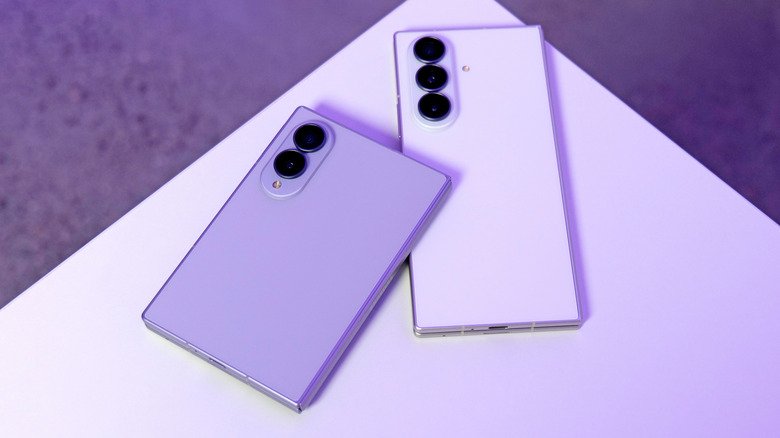
Pre-orders for the Galaxy Z Fold 8 Ultra are currently open, with the device available in graphite, cream, violet shadow, and an exclusive green shadow. Official retail availability is scheduled to begin on August 7. As the foldable market matures, Samsung’s decision to segment the Fold line into standard and Ultra variants mirrors the strategy used for its S-series flagships, aiming to capture both the premium enthusiast and the broader high-end consumer markets.