Does Charging Your Smartphone in the Car Use Fuel? Here Is the Real Impact
Automotive energy calculations reveal why powering mobile devices in vehicles consumes gasoline without noticeable mileage loss.
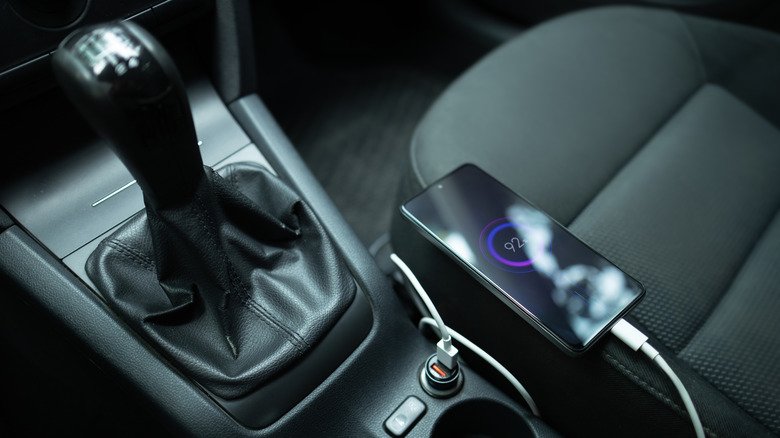
Motorists looking to maximize fuel efficiency often scrutinize every accessory running inside their vehicles, raising questions about whether plugging in a mobile device burns extra gasoline. The direct technical answer is yes, but the real-world impact on fuel economy is so minimal that drivers will rarely notice any difference at the pump.
Data published by Bloomberg indicates that continuously powering a smartphone inside a passenger vehicle reduces fuel efficiency by approximately 0.03 miles per gallon. For a standard car averaging 20 miles per gallon, plugging in a mobile device lowers performance to about 19.97 miles per gallon—a drop that registers as virtually negligible during everyday driving conditions.

The underlying energy relationship traces back to how internal combustion engine vehicles generate electricity. Modern automobiles rely on an alternator driven by the engine to generate electrical power while the vehicle is in motion. When an accessory demands power, the alternator places a small mechanical load on the engine, forcing it to burn a minute amount of additional fuel to compensate. However, standard smartphone chargers require only 5 to 15 watts of electrical power. In comparison, basic vehicle components like turn signals draw more electrical wattage than a typical USB phone charger.

Heavier climate and comfort systems exact a far higher toll on fuel consumption. Automotive climate control systems draw thousands of watts, with air conditioning usage capable of reducing fuel efficiency by up to 10 percent depending on driving speeds and ambient temperatures. Drivers concerned with optimizing mileage stand to gain significantly more by moderating cabin temperature settings rather than disconnecting personal electronics.

Concerns over vehicle battery depletion also depend entirely on whether the engine is active. While driving, the alternator manages electrical loads and maintains charge levels in the 12-volt starter battery. Once the engine is turned off, however, connected electronics draw power directly from the 12V battery. Although charging a smartphone for several hours with the engine off is unlikely to drain a healthy battery completely, the practice carries an elevated risk of depletion in vehicles with aging starter batteries or cars that have remained stationary for prolonged periods.