Samsung Launches AI-Powered Health Assistant Beta to Challenge Apple and Fitbit
The new chatbot integrates wearable metrics with smart home data to deliver personalized wellness guidance.
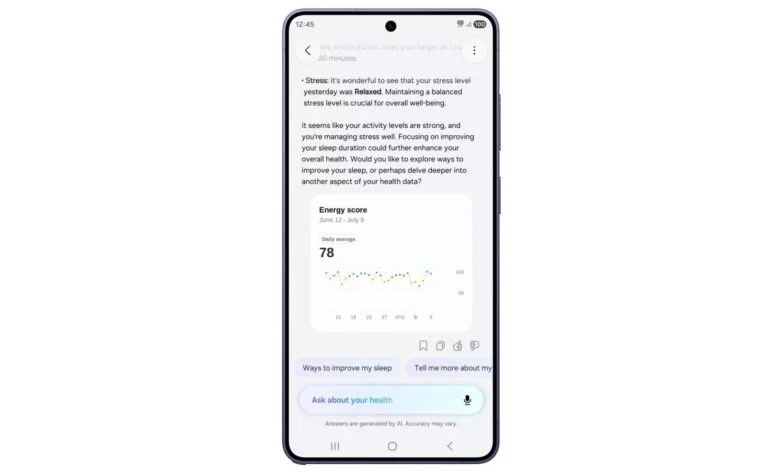
Samsung is stepping directly into the generative AI wellness space with the launch of “Health Assistant,” a personalized chatbot integrated into its Samsung Health platform. The feature has entered a beta testing phase for eligible users in the United States, arriving just ahead of the company’s highly anticipated Galaxy Unpacked event, where new wearable hardware is expected to take center stage.
The new virtual assistant is designed to help users interpret complex biometric data collected by their devices. By analyzing metrics across five core areas—sleep, physical activity, nutrition, mindfulness, and vital signs—the tool provides tailored lifestyle recommendations. According to Samsung, these recommendations and insights have been vetted by a panel of physicians and certified health coaches to ensure they align with professional wellness standards.
Rather than functioning as a standalone health tracker, the Health Assistant is built to draw data from Samsung’s expanding hardware ecosystem, including Galaxy Watches, smartphones, and the upcoming Galaxy Ring. It also attempts to distinguish itself from competitors like Whoop and Google’s Fitbit by connecting directly with the broader smart home environment.
By leveraging Samsung’s personalized data engine, the chatbot can cross-reference health metrics with external variables such as calendar events and smart home activity. For example, if a user turns off their connected smart lights unusually late, the assistant can flag how that specific behavior might affect their sleep quality. Future iterations of the tool are expected to suggest stress-relief exercises ahead of scheduled calendar meetings.
Despite its analytical capabilities, Samsung has made it clear that the tool is strictly for wellness guidance. The assistant is not designed to offer medical diagnoses, suggest clinical treatments, or replace professional medical advice. This distinction is crucial as tech giants navigate the regulatory boundaries set by agencies like the U.S. Food and Drug Administration (FDA) regarding software as a medical device.
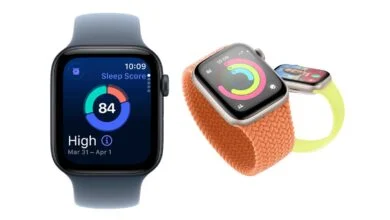
According to details shared with Bloomberg, the update also introduces several new tracking metrics. Users will gain access to an Energy Score, a Heart Health Score, and a Fitness Index, which synthesize oxygen consumption, heart rate, and activity levels to gauge overall physical progress. Additionally, a new sleep-tracking feature will monitor blood oxygen levels and heart rate fluctuations overnight to detect significant physiological shifts—a capability similar to features Apple introduced to its Apple Watch lineup in recent years.
Samsung’s broader strategy points toward a deeper integration between consumer wearables and clinical healthcare. The tech giant is currently developing a platform designed to let physicians monitor patient data, such as blood pressure, directly from smartwatches between clinic visits. This initiative builds on Samsung’s strategic acquisition of Xealth, a digital health platform that specializes in integrating wearable data directly into electronic health records (EHR) systems used by hospitals.