WhatsApp Shifts Toward Username-Based Accounts with New iPad Signup Feature
The messaging platform expands iPad independence and revamps its automotive interface for CarPlay and Android Auto.
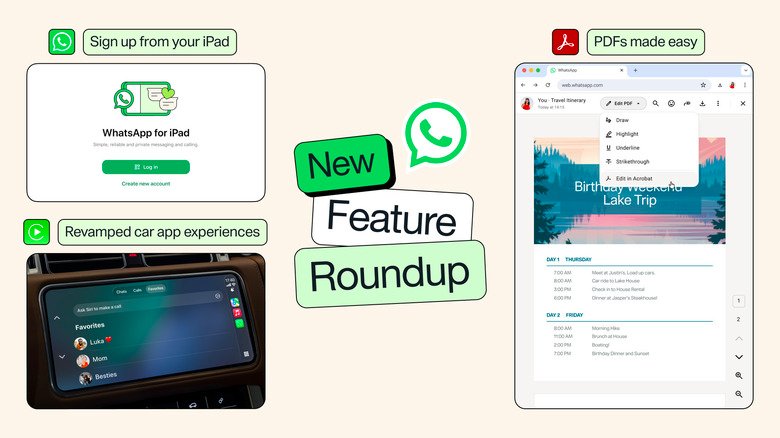
WhatsApp is fundamentally altering its identity as a phone-number-centric platform by allowing users to register for accounts on the iPad using usernames. This shift marks a significant departure from the messaging giant’s traditional requirement that every account be tethered to a specific SIM card and mobile device.
Under the new system, iPad users can initiate a standalone account using a unique username. While a phone number is still required to receive a one-time passcode (OTP) during the initial registration phase, the resulting iPad account functions independently. It is no longer treated merely as a “companion device” that mirrors a primary smartphone, a limitation that has frustrated tablet users for years.
This move brings WhatsApp closer to the functionality of its primary competitors. Platforms like Telegram have long offered standalone tablet applications and username-based identification, allowing for greater privacy and multi-device flexibility. WhatsApp, by contrast, has historically been slow to adapt to the tablet market; an official iPad version was only released last year, nearly a decade and a half after the original iPad launched in 2010.
Beyond tablet independence, the Meta-owned service is expanding its reach into the automotive sector. A major update to the Android Auto and Apple CarPlay interfaces has transitioned the app from a voice-only experience to a more visual dashboard. Drivers can now view their call history, access a list of favorite contacts, and see unread messages directly on their vehicle’s infotainment screen, reducing the need to interact with a handheld phone while parked or in transit.
Productivity and social expression also received attention in this latest software rollout. Through a new partnership with Adobe Acrobat, users can now view and edit PDF documents directly within the WhatsApp interface, streamlining document sharing for professional users.
On the social side, WhatsApp is borrowing a page from the early days of instant messaging by allowing users to integrate music into their status updates. By linking accounts with Spotify or Apple Music, users can share specific tracks as part of their temporary status, a feature reminiscent of the “now playing” alerts popularized by AOL Instant Messenger (AIM) and MSN Messenger in the early 2000s.
These updates reflect Meta’s broader strategy to transform WhatsApp from a simple SMS replacement into a comprehensive communication hub that bridges the gap between personal messaging, professional utility, and social media. As the platform continues to distance itself from strict phone number requirements, it moves toward a more flexible, cloud-based architecture that mirrors the broader ecosystem of modern social networking.