India Fines HP Unit $14.4 Million Over Government Contract Bid Rigging
The antitrust regulator uncovered a collusive network manipulating public procurement portals for IT hardware and printing supplies.
The Indian antitrust regulator, the Competition Commission of India, has penalized the local subsidiary of HP and dozens of its distributors for colluding to rig bids and manipulate prices on state technology contracts.
HP India and its partner network were hit with total fines of 1.4 billion rupees (approximately $14.4 million) after an investigation revealed a coordinated effort to control the procurement process for computers and accessories on the Government e-Marketplace, a digital procurement portal launched by the Indian government to streamline public sector purchasing.
According to the watchdog, the collusive practices occurred between 2017 and 2020. The regulator revealed that HP India worked closely with its channel partners to suppress competition. This was achieved by orchestrating a bid-rigging and price-fixing scheme, which included submitting artificial “cover” bids to make preferred bidders look more competitive and dividing contracts among a select group of resellers.
The investigation also uncovered that the participants manipulated the issuance of manufacturer authorization forms, which are mandatory documents required for distributors to bid on public tenders. By controlling these authorizations, HP India and its partners effectively decided which resellers could participate in specific government tenders, shutting out independent competition.
Internal communications, including WhatsApp messages exchanged between HP India executives and Tier-2 resellers, served as key evidence in the case. The regulator stated these records proved a “collusive arrangement” aimed at customer allocation and price fixation.
While the watchdog described the tech giant as a central figure in the scheme, HP India objected to being characterized as the “kingpin” of the operation. In its defense, the company argued that intense pressures within the printing supplies market forced its hand. HP India claimed that high wholesale prices for genuine ink and toner had pushed some distributors to consider counterfeit alternatives, prompting the company to support the reseller arrangement to maintain its market share.
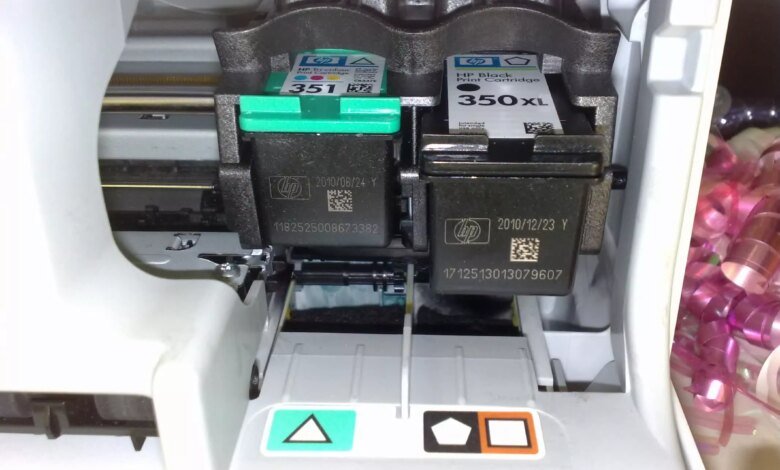
The antitrust ruling also targeted cartelization in the sale of consumables, such as toner and ink cartridges. For this segment of the infraction, the regulator fined HP India 119.8 million rupees, while 21 participating resellers were fined a collective 35.2 million rupees.
The case underscores the contentious economics of the global printing industry, where manufacturers often rely on high-margin proprietary consumables to offset lower margins on hardware sales. Globally, HP has faced recurring criticism and legal challenges over its use of dynamic security firmware updates that block third-party ink cartridges, forcing consumers to remain within its proprietary ecosystem.
In addition to the financial penalties, the regulator issued a cease-and-desist order. It has directed HP India and its associated resellers to implement formal competition compliance programs within 60 days to prevent future market distortions.