Iraq Faces Critical Security Test as U.S. Troop Withdrawal Collides with Militia Disarmament
Experts warn of a potential security vacuum as Baghdad attempts to disarm Iran-backed militias while American forces prepare to exit.
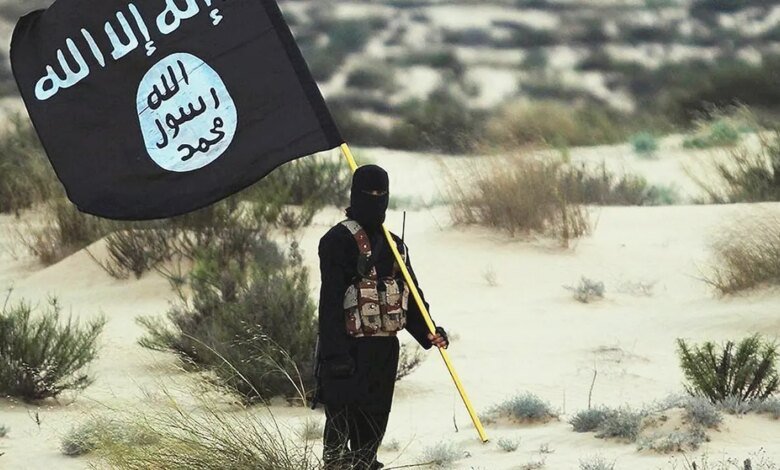
Iraq is entering a highly volatile security phase as the September 30 deadline for the complete withdrawal of American military forces approaches. This transition coincides with a critical push by the Iraqi government to disarm powerful, Iran-backed paramilitary groups, creating what experts warn is a prime opportunity for a resurgent Islamic State (ISIS) to exploit.
According to Dr. Omar Mohammed, a researcher with the George Washington University Program on Extremism, the dual developments represent a dangerous juncture for the country. Mohammed, who secretly documented life under terror rule as the anonymous founder of the Mosul Eye blog, warns that the extremist group is actively waiting to capitalize on security gaps.
The scheduled departure of U.S. troops stems from a bilateral agreement finalized in 2024, which set the end of the coalition’s military mission in Iraq for 2025, while maintaining support for anti-ISIS operations in neighboring Syria through September 2026. However, the impending security transition has raised concerns about the readiness of local forces to maintain stability.
A key complicating factor is Baghdad’s ongoing effort to assert authority over the Popular Mobilization Forces (PMF). This state-sponsored umbrella organization, which was never disbanded after the territorial defeat of ISIS, has grown to an estimated 238,000 members. Supported by billions of dollars in state funding, the PMF includes powerful factions with deep ties to Tehran, such as Kataib Hezbollah and Asaib Ahl al-Haq, which frequently operate outside the direct command of the Iraqi state.
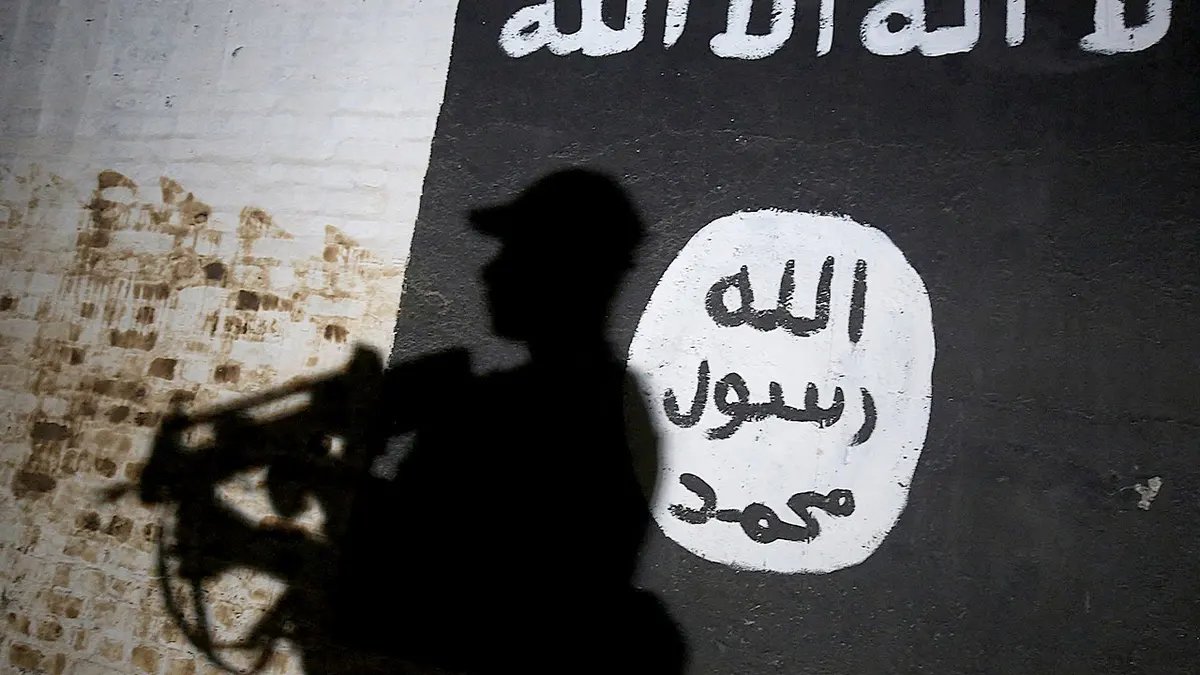
Mohammed points out that the presence of these militias and the threat of ISIS are deeply interconnected. While armed factions point to the extremist threat to justify keeping their weapons, ISIS capitalizes on local grievances generated by militia activities to recruit new members. This self-reinforcing cycle mirrors the security failures that allowed ISIS to seize Mosul over a decade ago.
Before its offensive in 2014, the group spent years establishing underground networks through extortion, targeted assassinations, and infiltration. When the group finally launched its assault on Mosul, local security forces collapsed, allowing ISIS to capture massive stockpiles of U.S.-made weapons and hundreds of millions of dollars before declaring its self-proclaimed caliphate.
Though Iraqi forces, supported by a U.S.-led coalition, successfully liberated Mosul in July 2017 and the formal U.S. combat mission ended in 2021, the extremist group has remained operational. U.S. Central Command (CENTCOM) has repeatedly committed to dismantling these remaining networks, but regional shifts have complicated the security landscape. Following the collapse of Bashar Assad’s government in Syria in 2024, Iraqi intelligence estimates indicate that the number of ISIS fighters in Syria has surged from approximately 2,000 to as many as 10,000.
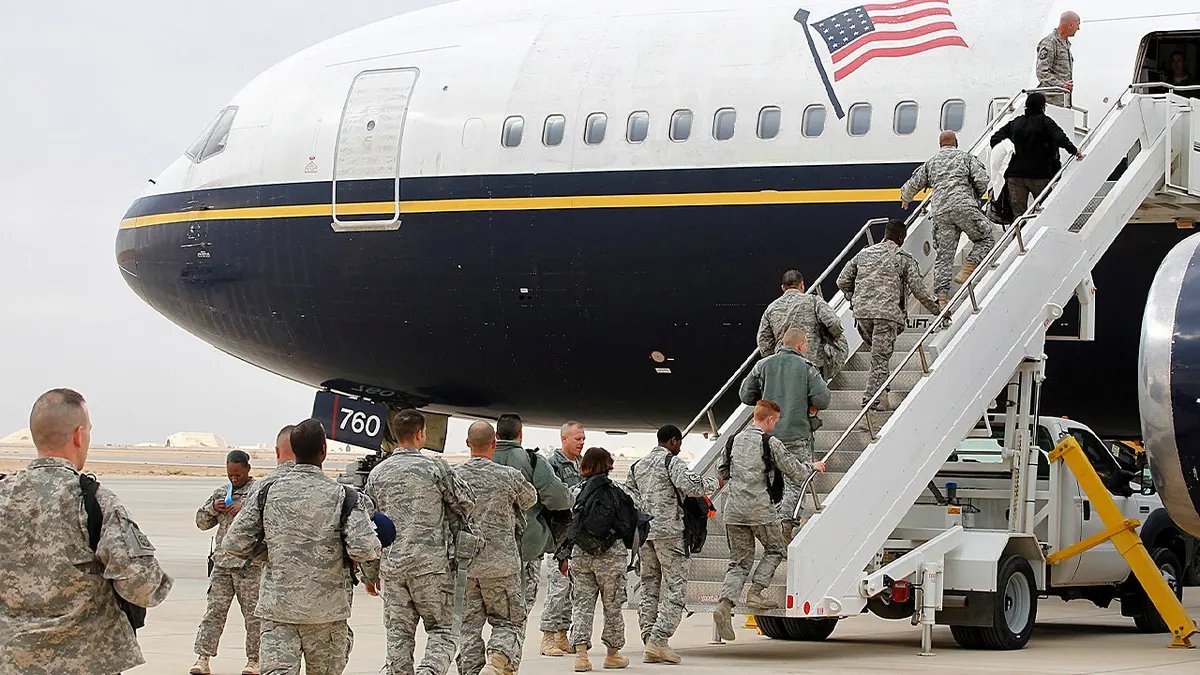
The geopolitical dimensions of the U.S. withdrawal were highlighted during a July 14, 2026, bilateral meeting at the White House between U.S. President Donald Trump and Iraqi Prime Minister Ali al-Zaidi, where the troop departure was confirmed.
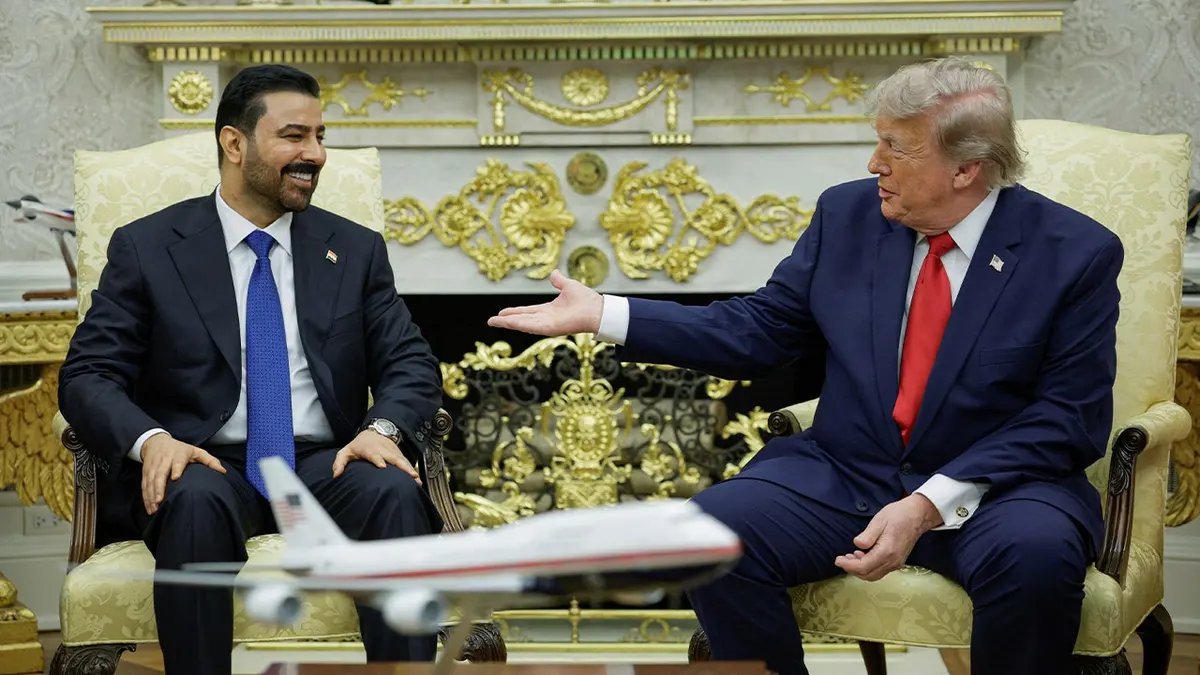
The diplomatic development drew immediate criticism from Tehran. Ali Akbar Velayati, an adviser to Iran’s Supreme Leader Mojtaba Khamenei, condemned the Prime Minister’s Washington visit, calling it “regrettable” and claiming it compromised Iraq’s dignity.
According to Mohammed, Iran’s strategic calculations in Iraq have intensified following U.S. military strikes that degraded its regional proxy networks. Tehran fears a scenario where Baghdad successfully disarms the militias and U.S. forces depart on Iraq’s terms, leaving no active security crisis to justify the existence of independent armed factions.
Mohammed’s experiences and analysis of the conflict are detailed in his upcoming book, Mosul Eye: A Scholar’s Clandestine War Against ISIS, scheduled for release on July 21 by Skyhorse Publishing, featuring an introduction by retired Gen. David Petraeus and a foreword by Pope Francis.