Mark Cuban Calls for Universal Employee Equity as SpaceX IPO Mints Thousands of New Millionaires
Billionaire investor proposes tax incentives for companies that grant equity to all staff after SpaceX IPO mints 4,400 millionaires.
The recent $1.77 trillion SpaceX IPO has transformed the lives of thousands of workers, turning a significant portion of the company’s workforce into overnight millionaires. Among those benefiting is Juan Hernandez, a former welder who joined the aerospace firm in 2015. Earning an hourly wage of $28 at the time, Hernandez now holds shares valued at approximately $880,000, according to reports from the Wall Street Journal.
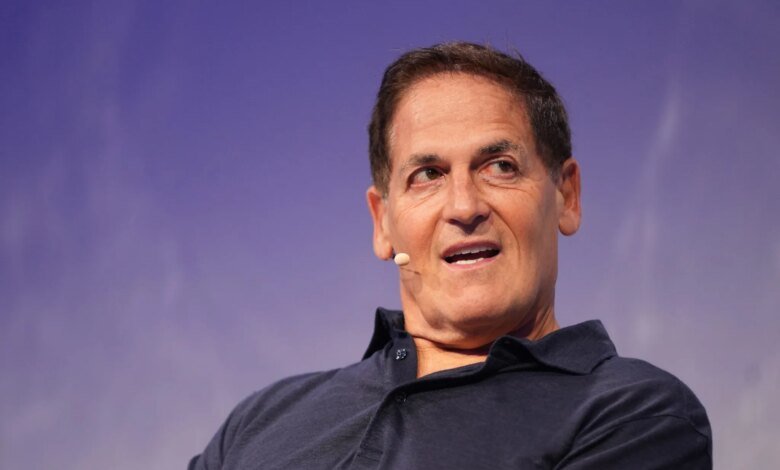
This massive wealth creation event, which has reportedly minted at least 4,400 millionaires, serves as the backdrop for a renewed push by billionaire investor Mark Cuban to reform how American businesses compensate their staff. Speaking on the “What It Takes” podcast, Cuban argued that the SpaceX model should be the standard for modern industry to combat systemic income inequality.
Cuban, a long-time proponent of what he calls compassionate capitalism, suggested that the current disparity between executive pay and worker earnings is unsustainable. According to a recent report by the AFL-CIO, the average CEO of an S&P 500 company now earns 285 times more than their median employee. This gap has widened from 2023, with executive compensation averaging $18.9 million, reflecting a 7% year-over-year increase.
To bridge this divide, Cuban proposes a federal incentive system. He suggests that the government could offer a lower corporate tax rate to firms that grant equity to every employee. His formula is simple: if a CEO receives stock worth 10% of their cash salary, every worker—from the janitor to the engineer—should receive the same percentage of their own earnings in stock. Cuban believes this “carrot” approach would encourage founders to share the upside of their success more broadly than the current 21% flat tax allows.
The philosophy of employee ownership is not merely theoretical for Cuban. In 1999, when Yahoo acquired his company Broadcast.com for $5.7 billion, he ensured that 300 of his 330 employees became millionaires through their equity stakes. He has also applied this logic to his pharmaceutical venture, Cost Plus Drugs, which aims to bypass traditional middlemen to lower medication costs through a transparent pricing model.
Academic research supports the idea that broader equity distribution can have profound macroeconomic effects. A 2021 Harvard Business School study indicated that if 30% of all private U.S. firms were owned by their employees, the total household wealth in the United States would effectively double. Furthermore, a Rutgers University study found that companies with at least a 5% employee stake are more likely to survive economic downturns and maintain higher productivity levels due to increased employment security.
Elon Musk, the founder of SpaceX, has also voiced support for this approach. Musk recently told Texas Governor Greg Abbott that aligning worker incentives with company success is essential for long-term growth. This alignment is credited with fostering the high-intensity work culture required for SpaceX’s rapid technological advancements, which have seen the company’s valuation soar to historic heights.
While some critics argue that stock options are too volatile for low-wage workers, proponents like Cuban and Harvard professor Ethan Rouen argue that the potential for financial gain is the only way for workers to participate in the growth of the “pie” they help bake. By aligning everyone’s incentives with a common goal, companies can theoretically reduce turnover and drive innovation while simultaneously addressing the wealth gap.