Ukraine Strikes Moscow in Massive Drone Offensive Amid Internal Leadership Turmoil
Kyiv targets Russian oil and logistics hubs as internal protests erupt over the firing of Ukraine's drone-tech reformer.
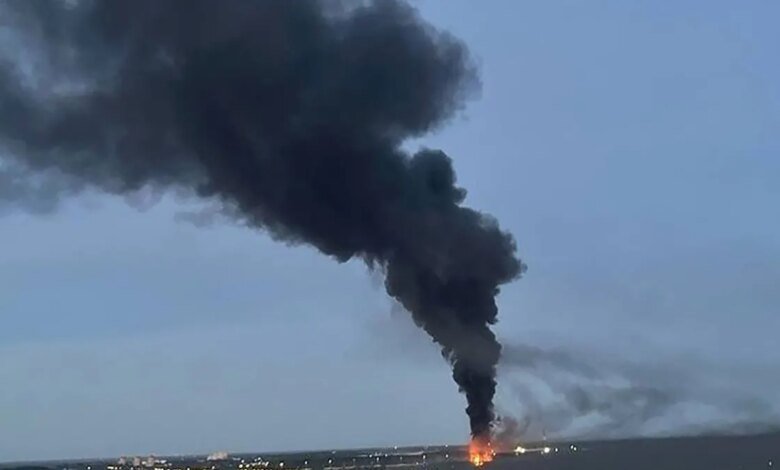
Ukraine launched its most extensive drone offensive against Moscow to date, targeting critical energy and logistics infrastructure hundreds of miles behind the front lines. The overnight operation, which involved hundreds of unmanned aerial vehicles, marks a significant escalation in Kyiv’s strategy to bring the economic costs of the war directly to the Russian heartland.
Moscow Mayor Sergei Sobyanin reported that more than 400 drones were directed toward the Moscow region between Sunday evening and early Monday. While Russian officials claimed to have intercepted 85 drones near the capital, the scale of the swarm suggests a shift toward a sustained campaign against the logistical backbone of the Russian military. The Russian Defense Ministry stated that an additional 381 drones were neutralized across various regions, including the Black Sea and the Sea of Azov.
The strikes resulted in at least 10 injuries in the Moscow region. Among the casualties were three Chinese nationals, according to reports cited by regional authorities. Significant damage was reported in Domodedovo, Russia, where a residential building was hit and a fire erupted at an industrial park situated near one of the capital’s primary international airports.
President Volodymyr Zelenskyy confirmed the targets included an oil depot and logistics hubs located more than 250 miles from the Ukrainian border. Zelenskyy characterized the operation as a “just response” to ongoing Russian strikes on Ukrainian civilian centers. This strategy of targeting energy infrastructure has intensified significantly in 2026, with Ukrainian strikes on Russian refineries doubling since the start of the year. These operations are designed to deplete the Kremlin’s revenue and disrupt the supply of gasoline and jet fuel to the front lines, as monitored by the Center for Strategic and International Studies.
In the Podolsk district of Russia, a major logistics center operated by Wildberries, often described as the Russian equivalent of Amazon, was forced to evacuate. Ukraine has previously alleged that the company facilitates the distribution of military supplies. While the facility eventually resumed operations, the disruption highlights the vulnerability of Russia’s domestic supply chains. Ksenia Svetlova, an associate fellow at Chatham House, noted that while such strikes cause significant domestic hardship and fuel shortages, they have yet to fundamentally alter the Kremlin’s commitment to the war machine.

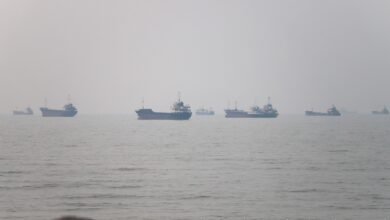
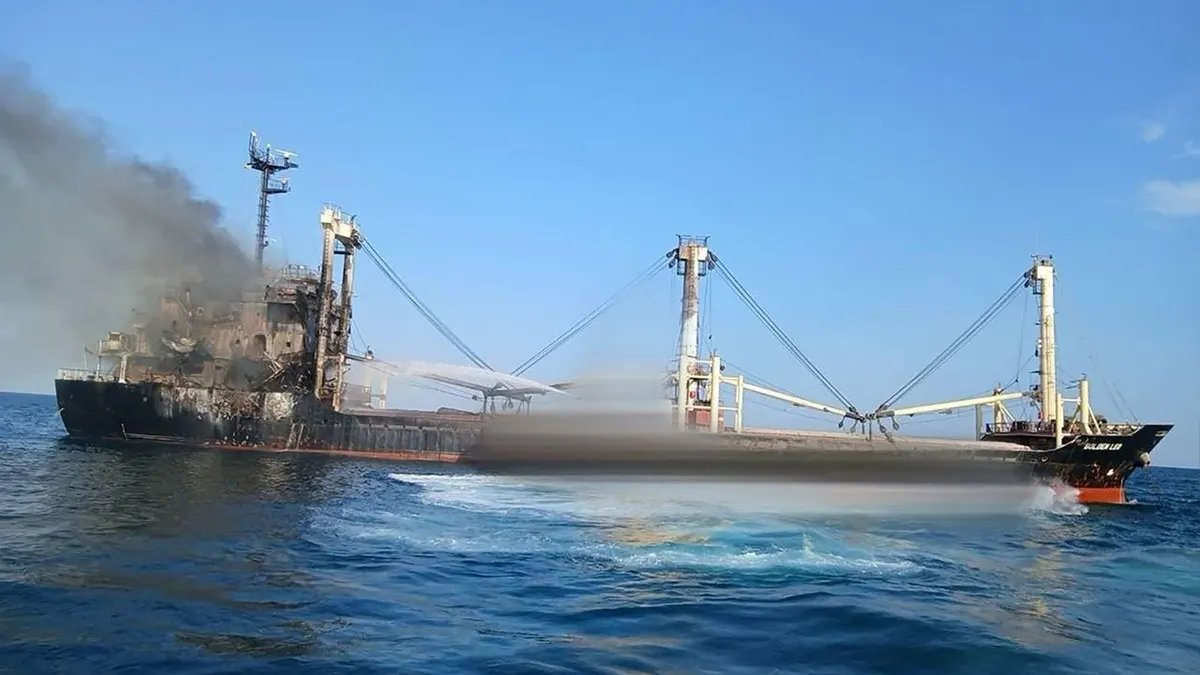
As the drone swarms reached Moscow, Russia responded with a lethal maritime strike. A Russian missile hit the Guinea-Bissau-flagged cargo ship Golden Leo near the port of Odesa. The vessel, which was transporting corn, was struck by three cruise missiles, resulting in the deaths of 10 people, including nine crew members and a Ukrainian maritime pilot. The incident underscores the persistent dangers facing international shipping in the region, despite various efforts by the United Nations and the International Maritime Organization to secure grain corridors.
Simultaneously, Zelenskyy is navigating a period of intense domestic political friction following the removal of Defense Minister Mykhailo Fedorov. The 35-year-old reformer was a central figure in Ukraine’s technological pivot, credited with the rapid expansion of the nation’s drone capabilities. His dismissal has sparked protests in Kyiv, with demonstrators demanding his reinstatement and calling for the resignation of the commander-in-chief, Gen. Oleksandr Syrskyi.
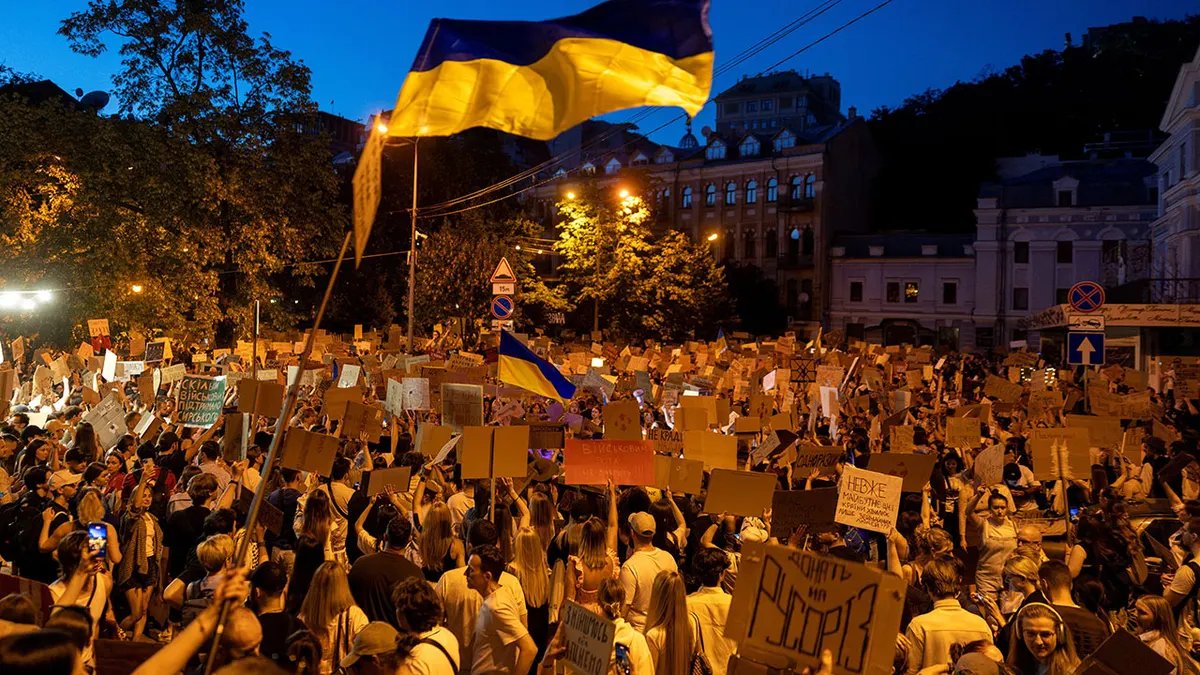
The rift between Mykhailo Fedorov and Gen. Oleksandr Syrskyi had reportedly become untenable, with Fedorov accusing the military leadership of sabotaging technological initiatives and maintaining an outdated, rigid command structure. While Zelenskyy has not yet announced a final decision regarding the future of the military high command, he indicated that consultations are ongoing to ensure that the diverse experiences of all defense branches are integrated into a unified strategy.