Bitcoin ETFs Record Second Week of Gains Amid Volatile Recovery
Recovery follows an $8.2 billion exodus as analysts compare the asset's trajectory to historical gold fund patterns.
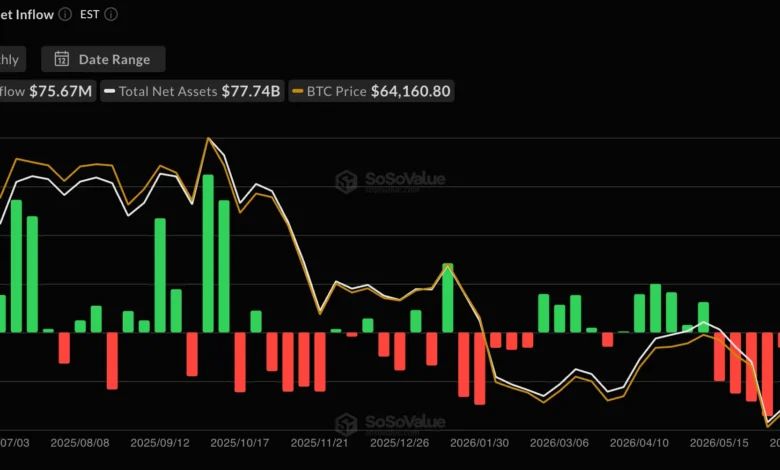
U.S. spot Bitcoin ETFs have secured their second consecutive week of positive net inflows, signaling a tentative shift in sentiment after a brutal two-month period of liquidations. The recovery comes as investors weigh geopolitical risks against the long-term institutional adoption of digital assets.
For the week ending July 17, the 13 U.S.-listed spot Bitcoin ETFs recorded $75.7 million in net inflows. This follows a $197.4 million gain the previous week, bringing the cumulative two-week recovery to $273.1 million. While the figures indicate a return of buyer interest, the volume remains a fraction of the capital that fled the market between mid-May and early July. During that eight-week exodus, investors withdrew over $8.2 billion from the funds.
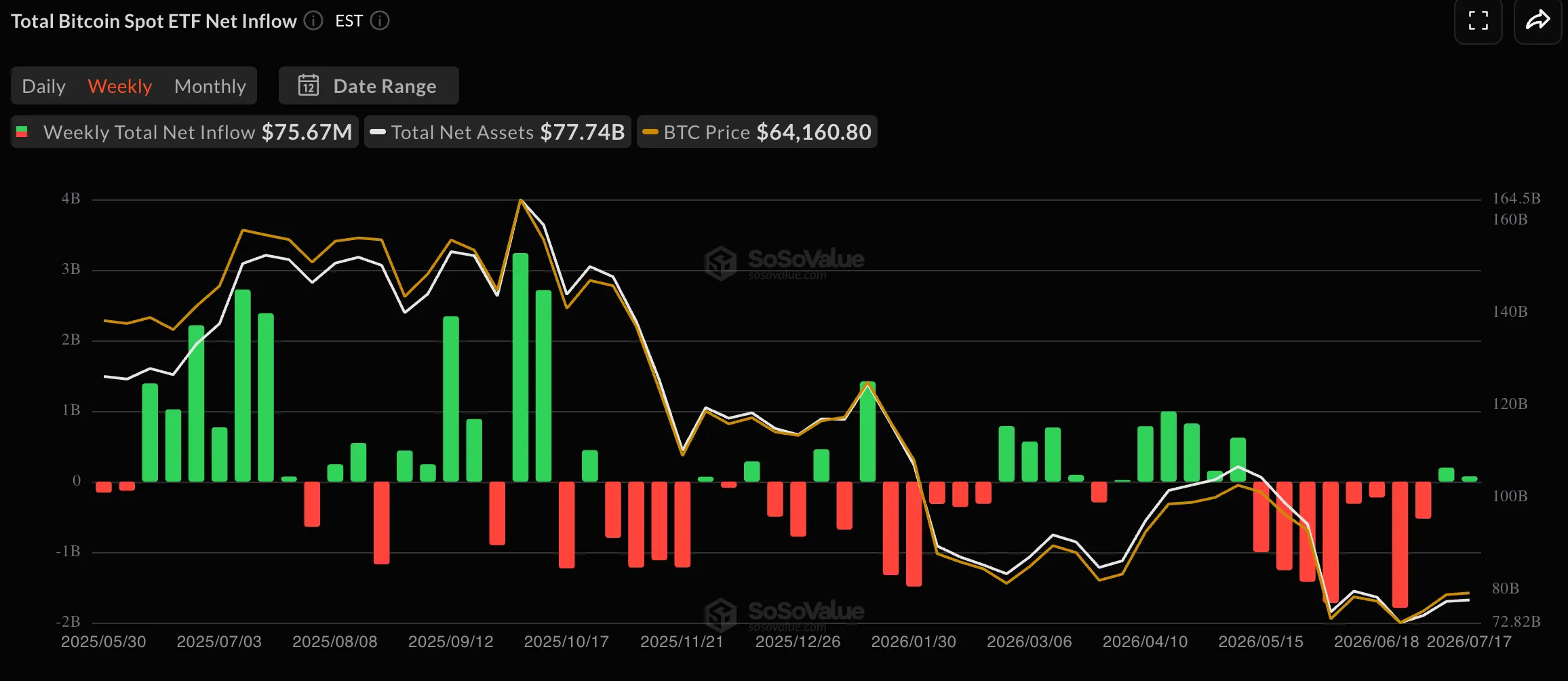
June 2026 stood out as the most challenging month for these products since their Securities and Exchange Commission approval in January 2024, with approximately $4.5 billion exiting the funds. The current two-week rebound has managed to recoup only about 3.3% of those losses, highlighting the steep climb required to reach previous liquidity levels.
The week was not without significant friction. A single-day withdrawal of $424.7 million occurred on Monday, triggered by market anxiety surrounding a military escalation between the U.S. and Iran. This marked the largest daily outflow since late June. However, investors reversed course over the following four sessions, allowing the funds to close the week in positive territory.
Bloomberg Intelligence senior ETF analyst Eric Balchunas suggests the current trajectory of Bitcoin funds mirrors the historical patterns of gold-backed exchange-traded funds. Specifically, he pointed to the 22-year history of the first gold ETF listed in the U.S. as a potential roadmap. Both assets are categorized by analysts as non-yielding stores of value, meaning they do not generate dividends or earnings, making their market price almost entirely dependent on investor sentiment.
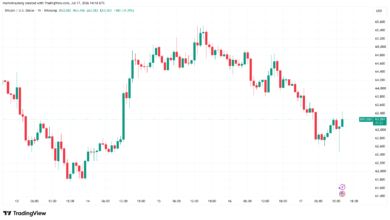
BlackRock’s IBIT, the largest fund in the sector, has experienced these swings firsthand. The fund’s assets briefly surpassed $100 billion last October, a milestone that coincided with Bitcoin reaching an all-time high above $126,000. Since then, the cryptocurrency has shed roughly half its value, currently trading near the $64,000 mark. To manage recent redemptions, BlackRock has sold nearly 100,000 BTC, though it maintains a substantial reserve of approximately 733,000 BTC.
Despite the recent uptick in inflows, some major financial institutions remain skeptical. Citigroup recently adjusted its outlook, lowering its 12-month price target for Bitcoin from $112,000 to $82,000. The bank also revised its projected ETF inflows for the coming year to zero, citing a cooling of institutional appetite and a lack of progress regarding crypto-specific legislation in the United States.
The total net assets across all 13 spot Bitcoin ETFs currently stand at $77.7 billion. This is a significant decrease from the peak of $106 billion recorded in mid-May, just before the record-breaking outflow streak began. The coming weeks will likely determine if the current recovery is a sustainable trend or a brief pause in a larger bearish cycle.