EU Exempts Smartwatches and Wearables from Mandatory Replaceable Battery Rules
Tech manufacturers secure a major regulatory victory as smartwatches and fitness trackers are spared from design-altering repairability mandates.
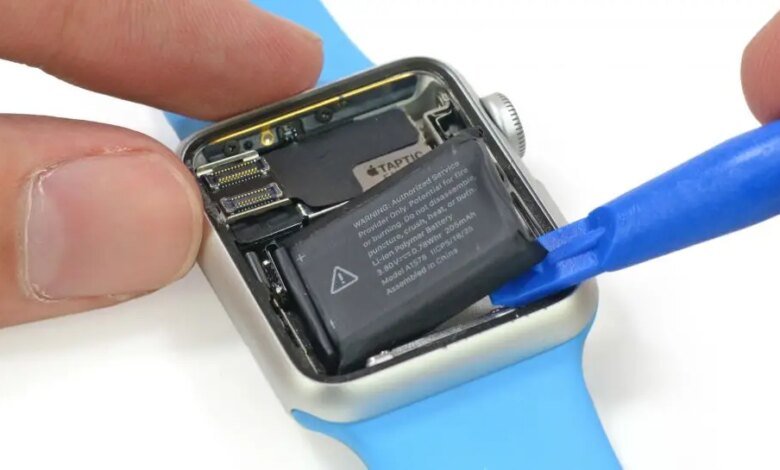
The European Union has revised its upcoming battery regulations, exempting wearable technology from strict mandates that would have forced manufacturers to design devices with easily replaceable batteries. The decision comes after intense industry pushback regarding the physical and functional limitations the rule would impose on compact gadgets like smartwatches and fitness trackers.
Under the updated framework, devices such as the Apple Watch and the Google Fitbit Air will not be legally required to feature user-replaceable batteries. However, the mandate remains fully active for larger consumer electronics, meaning smartphones, laptops, and tablets sold within the EU must still transition to easily replaceable battery designs.
The original legislation was introduced as part of the EU’s broader circular economy initiative, aimed at reducing electronic waste and promoting the “right to repair.” By allowing consumers to swap out degraded batteries at home, policymakers hoped to significantly extend the lifespan of consumer electronics.
However, hardware manufacturers argued that applying these rules to miniature wearable devices posed severe engineering challenges. Making a battery easily accessible typically requires mechanical fasteners or latch systems instead of strong industrial adhesives. For ultra-compact wearables, this design shift would inevitably result in bulkier, heavier, and less aesthetically pleasing products.
Furthermore, water and dust resistance—critical features for sports-focused smartwatches—would be heavily compromised. Ensuring a reliable hermetic seal is exceptionally difficult if a device is designed to be repeatedly opened and closed by consumers at home. A compromised seal could lead to moisture ingress, permanently damaging the internal circuitry during swimming or daily use.
While environmental advocates and repairability groups have long championed easily swappable components, consumer sentiment remains divided. Some users prioritize device longevity and the financial savings of DIY repairs, while others prefer the sleek form factors and robust waterproofing made possible by sealed designs.
With the exemption now officially in place, the choice of whether to implement replaceable batteries in wearables rests entirely with individual tech companies. Meanwhile, the clock is ticking for smartphone and tablet manufacturers, who must still re-engineer their hardware to comply with the European Union’s strict sustainability standards in the coming years.