Waymo’s Driverless Dilemma: Enforcing Passenger Conduct in the Robotaxi Era
Remote monitoring replaces human drivers in policing in-cabin behavior.
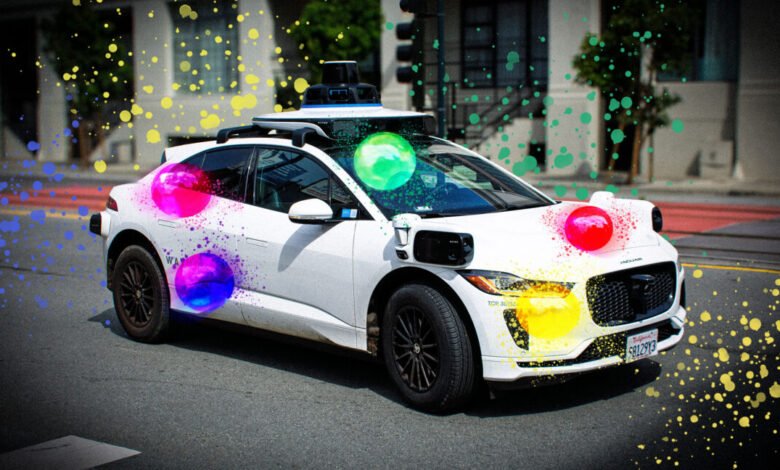
The promise of the driverless future has hit a pragmatic roadblock: the behavior of the humans inside the vehicle. A recent incident involving two teenagers in a Waymo robotaxi has highlighted the difficulty autonomous vehicle operators face in enforcing conduct policies without a physical human presence.
The passengers, both under the age of 18, violated multiple terms of service during their trip, including prohibitions against underage drinking and the possession of weapons. Waymo’s internal monitoring systems flagged the presence of what appeared to be a firearm—later identified as a SplatRBall gel bead shooter painted black—triggering an immediate response.
Waymo maintains strict policies against alcohol and drug use inside its fleet, regardless of local statutes. The company also requires passengers under 18 to be accompanied by an adult, a rule the teenagers bypassed. According to company policy, Support may access live video feeds during a trip in ‘urgent circumstances,’ effectively replacing the rearview mirror with remote surveillance.
The National Highway Traffic Safety Administration continues to monitor the deployment of automated driving systems, focusing primarily on road safety and collision avoidance. However, the ‘in-cabin’ safety of autonomous vehicles presents a different set of challenges for law enforcement.
Police officials noted that while the teens technically avoided a DUI by opting for a robotaxi, the use of realistic-looking toy guns posed a significant public threat. ‘The simple handling of them can cause fear in passerby’s or to those who don’t get a good look,’ the department stated, noting that shooting projectiles from a moving vehicle remains a criminal safety concern regardless of the driver’s identity.
Waymo’s terms of service explicitly prohibit throwing objects from the car. The company confirmed that it may review in-car video and that Support may access live video during a trip to address urgent circumstances.