The End of an Era: Why Volkswagen’s Historic German Manufacturing Model Is Crumbling
Facing high costs and global competition, VW Group prepares a radical restructuring plan that targets domestic factories and tens of thousands of jobs.
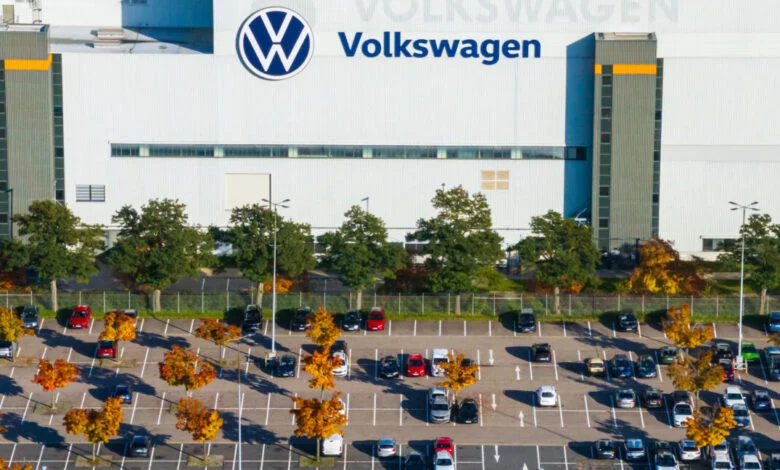
For decades, the global automotive industry operated under a seemingly unbreakable social contract at Volkswagen Group. The formula was simple, prestigious, and highly profitable: design and engineer cutting-edge vehicles in Germany, manufacture them across highly skilled European facilities, and export them to eager buyers worldwide. Supported by a massive workforce and deeply entrenched political and labor alliances, this industrial engine made VW a global powerhouse. But today, that traditional formula is facing an unprecedented reckoning.
The automotive landscape is shifting rapidly under the combined pressures of a challenging electric vehicle transition, high domestic manufacturing costs, and aggressive global competition. In response, Volkswagen is preparing for a drastic restructuring. We are now getting a much clearer picture of what that reduction in complexity might look like in the coming years.
A new report, confirmed by Reuters, says that another 45,000 jobs would go as part of an aggressive cost-cutting initiative. A reduction of this scale would shrink the automaker’s total workforce by around 15 percent. To put that into perspective, the industrial giant currently employs more than 650,000 people globally across the group’s 10 car brands and other divisions. Slashing tens of thousands of corporate and production roles represents a massive shift in strategy for a company that has historically prioritized labor stability.
This restructuring strikes at the very heart of Volkswagen’s corporate identity. VW Group is part-owned by the state of Lower Saxony, which, together with strong unions, has always made the thought of factory closures in Germany anathema. Historically, the state’s blocking minority and the immense power of the German works councils meant that domestic plants were virtually untouchable. Protecting German manufacturing jobs was not just a corporate goal; it was a political mandate.
Yet, the current economic realities are forcing the company to cross red lines that were once unthinkable. VW Group CEO Oliver Blume will present a plan to the company’s board next month that outlines just such a thing, according to the report. Rather than minor administrative trims, the proposed cuts target core manufacturing hubs. Volkswagen plants in Hannover, Zwickau, and Emden, as well as Audi’s factory in Neckarsulm, are all in the crosshairs.
The inclusion of these specific facilities highlights the gravity of the situation. Zwickau, for instance, was heavily retrofitted at great expense to serve as the vanguard of VW’s dedicated electric vehicle production in Europe. Hannover has long been the home of commercial vehicles and the iconic bus lineage, while Emden and Neckarsulm represent key hubs for passenger cars and premium Audi models. Targeting these locations underscores that no corner of the empire is safe from the pressure to run leaner.
When asked about the sweeping restructuring plans, the automaker chose not to discuss the specifics of the leaked proposals but did not deny the immense pressure facing its current operations. “Please understand that we do not comment on internal, confidential documents. The underlying matters will be discussed and approved in the respective committees. We will not pre-empt this process,” a VW spokesperson told Ars.
However, the company’s official statement made the broader strategic necessity painfully clear. “The Executive Board has repeatedly stated that our current business model no longer works across all brands: developing cars in Germany, producing them in Europe and exporting them to the world… The entire Group has to become significantly more competitive,” it said.
This candid admission points to a fundamental structural crisis. High energy costs, intense wage pressure in Western Europe, and the massive capital expenditures required for software and battery development have eroded the margins of traditional European manufacturing. At the same time, agile competitors in China and North America are building vehicles with far more integrated supply chains and lower overhead. For Volkswagen, continuing on its current path is no longer viable. The upcoming board meeting next month will likely mark the official beginning of a painful, historic transformation for Europe’s largest automaker.