The Lethal Cost of Internal Combustion: 41,800 Annual Deaths and the Case for Rapid Electrification
New ICCT report links 41,800 annual deaths to road transport pollution.
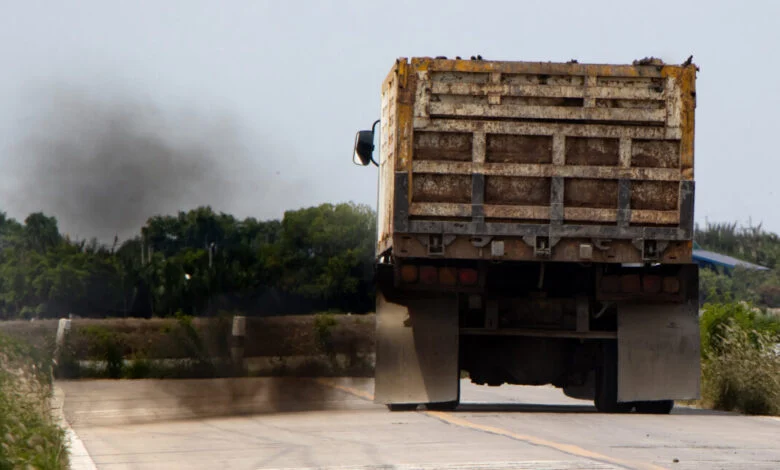
More than 41,800 premature deaths are currently linked to air pollution from road transport, according to a new analysis by the International Council on Clean Transportation (ICCT). This mortality figure highlights a public health crisis that persists despite the growing global shift toward electric vehicles.
The ICCT, in collaboration with the FIA Foundation, modeled emissions through 2050 to quantify the human impact of tailpipe pollutants. Their findings indicate that the health burden is not merely a byproduct of climate change but a direct result of inhaling nitrogen oxides, black carbon, and sulfur oxides. These substances are known to trigger a range of debilitating conditions, from ischemic heart disease to lung cancer.
The World Health Organization has long warned that fine particulate matter (PM2.5) can penetrate deep into the lungs and enter the bloodstream, causing systemic damage. The ICCT report specifically notes that pediatric asthma incidence is heavily influenced by nitrogen oxides, which are concentrated most densely near highways and busy urban intersections.
Editorial decisions regarding the speed of the energy transition will determine the future scale of this mortality. The report contrasts a reference scenario—where policy remains stagnant or hostile to clean energy—against an ambitious path toward zero-emissions. Under the latter, the study assumes 100 percent of all vehicles would be zero-emissions by 2045, with light-duty vehicles reaching that milestone as early as 2035 in some regions.
Heavy-duty vehicles, including delivery trucks and buses, represent a disproportionate share of the health risk. While passenger cars often dominate the conversation around electrification, the ICCT model emphasizes that cleaning up the heavy-duty sector by 2040 is essential for reducing nitrogen oxide-attributable premature mortality in adults.
The modeling also tracked the prevalence of chronic obstructive pulmonary disease (COPD), diabetes, and stroke. These conditions are exacerbated by volatile organic compounds and ammonia, which remain prevalent in environments where internal combustion engines are the primary mode of transport.
Current data suggests that living in close proximity to major roadways is a primary indicator of increased mortality. By removing internal combustion engines from the road, the report argues that the direct reduction in airborne pollutants would save lives on a scale that climate policy alone often fails to articulate.