Chevrolet Bolt to Exit Market Again as GM Pivots Toward Hybrids
GM confirms second death for the affordable EV by 2027.

General Motors has signaled a definitive end-date for the Chevrolet Bolt, with production slated to conclude following the 2027 model year. The decision marks the second time in four years that the nameplate has faced the chopping block, reflecting a broader strategic retreat from pure electrification in favor of a mix that includes hybridization and internal combustion engines.
This second discontinuation follows a brief and enthusiastic revival. After the first-generation model was retired in 2023, consumer demand prompted a swift return to the lineup. However, the current market trajectory has forced a reassessment of the vehicle’s longevity. The 2026 Chevrolet Bolt, currently positioned as an affordable entry point into the EV space with a $28,995 starting price, will serve as the final iteration of the nameplate.
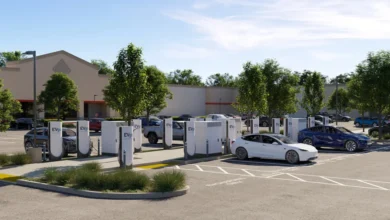
Technological upgrades for the 2026 model year were intended to address previous criticisms regarding charging speeds and infrastructure. The vehicle now utilizes the North American Charging Standard (NACS), allowing it to interface more broadly with the domestic charging network. According to technical specifications, the Bolt supports 150-kilowatt DC fast charging, a significant increase from the 55 kilowatts offered by its predecessor. This allows the 65.0-kilowatt-hour battery pack to reach a 90 percent charge from 10 percent in approximately 25 minutes.
The push toward standardized charging interfaces aligns with broader initiatives tracked by the U.S. Department of Energy to streamline the transition to electric mobility. Despite these infrastructure gains, the Bolt’s mechanical output remains focused on efficiency rather than high performance, delivering 210 horsepower and 169 pound-feet of torque through a single front-mounted motor.
Inside the cabin, the 2026 model features an 11.3-inch infotainment screen, though it notably lacks integration for Apple CarPlay and Android Auto. This omission is a deliberate move toward GM’s native interface, which relies on built-in applications like Google Maps and Apple Music. While the system offers quick response times, the absence of smartphone mirroring remains a point of contention for users accustomed to seamless mobile integration.
As the industry shifts, the Bolt’s departure highlights the difficulty of maintaining a low-cost, pure electric SUV in a landscape where manufacturers are increasingly leaning on internal combustion to bridge the gap to full electrification. The 2026 Bolt RS, which carries an as-tested price of $32,995, offers 262 miles of range, yet its long-term viability has been undercut by the manufacturer’s pivot toward a more diversified powertrain strategy.