Cyprus Accuses Turkey of Blocking €1.9 Billion Israel-Europe Power Cable as U.S. Defense Ties Deepen
Nicosia warns that Turkish maritime claims are stalling a major Israel-Europe electricity cable while accelerating its own defense integration with Washington.
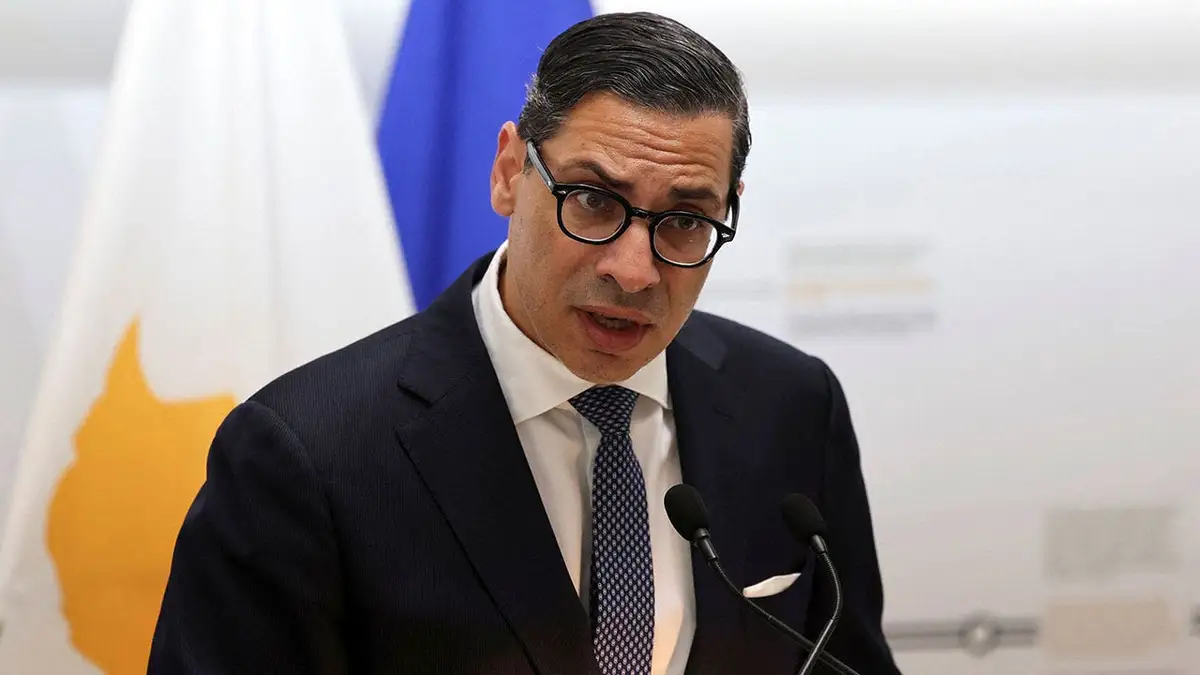
A planned subsea electricity cable designed to integrate Israel into the European power grid remains stalled after Turkish maritime disputes effectively blocked construction in the Eastern Mediterranean, according to Cyprus Foreign Minister Constantinos Kombos.
The Great Sea Interconnector, a roughly €1.9 billion infrastructure project, is engineered to transmit up to 1,000 megawatts of electricity across more than 1,200 kilometers of subsea cable from Israel through Cyprus to Greece. The European Union has already committed €657 million to fund the Cyprus-Crete segment, which would permanently end the island’s status as an isolated energy market and establish a direct electrical link between Middle Eastern generation capacity and European consumers.
Turkey has prevented progress by asserting overlapping claims within Cyprus’ exclusive economic zone. Ankara does not recognize the Republic of Cyprus’ sovereign rights to exploit or develop resources in those waters, a position rooted in decades of unresolved territorial disputes that frequently escalate into naval standoffs involving Greek, Turkish, and Cypriot vessels.


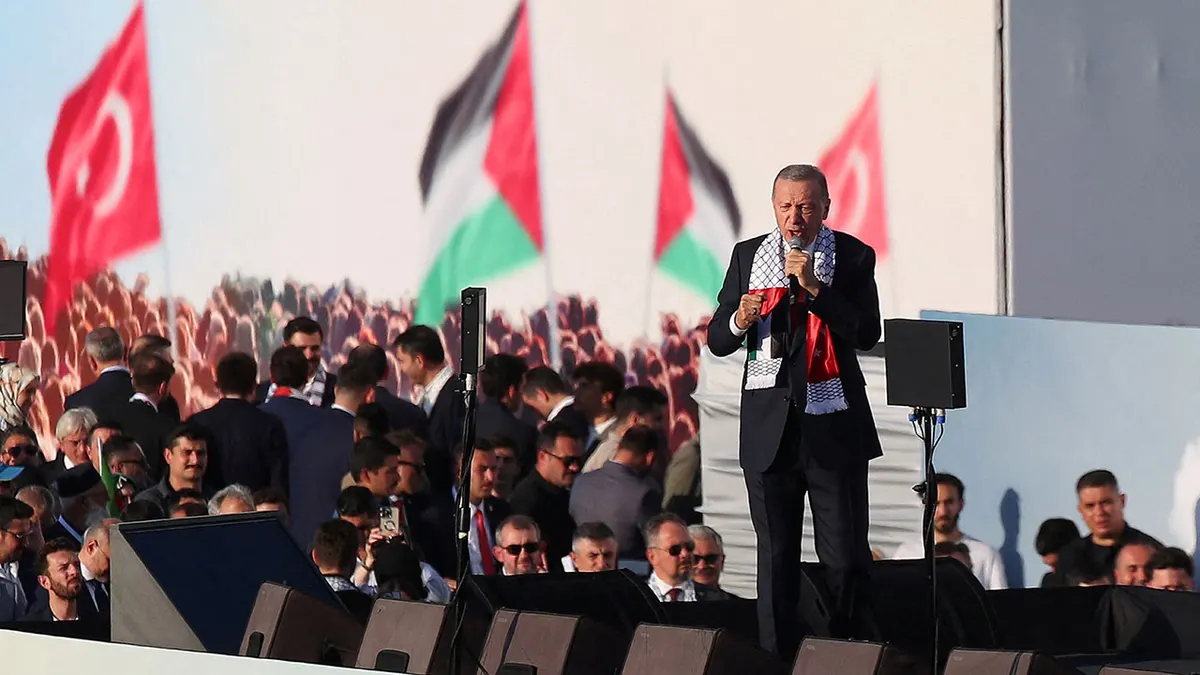
Kombos addressed the obstruction during the 81st United Nations General Assembly in New York in late September 2026, where he and Cypriot President Nikos Christodoulides remained in the chamber during Turkish President Recep Tayyip Erdoğan’s address. Erdoğan used his Sept. 22 speech to condemn Israel’s military campaign in Gaza, accusing the Israeli government of operating with a “genocidal mindset” and comparing conditions in the territory to a concentration camp. Israel has consistently rejected allegations of genocide.
For Nicosia, the contrast between Erdoğan’s appeals to international law at the U.N. and Turkey’s posture in the Mediterranean underscores a broader diplomatic contradiction. Cyprus has been partitioned since 1974, when a coup engineered by Greece’s military junta triggered a Turkish invasion. The southern two-thirds operate under the internationally recognized Republic of Cyprus, while the northern third functions as the Turkish Republic of Northern Cyprus, recognized solely by Ankara and separated by a U.N.-patrolled buffer zone.
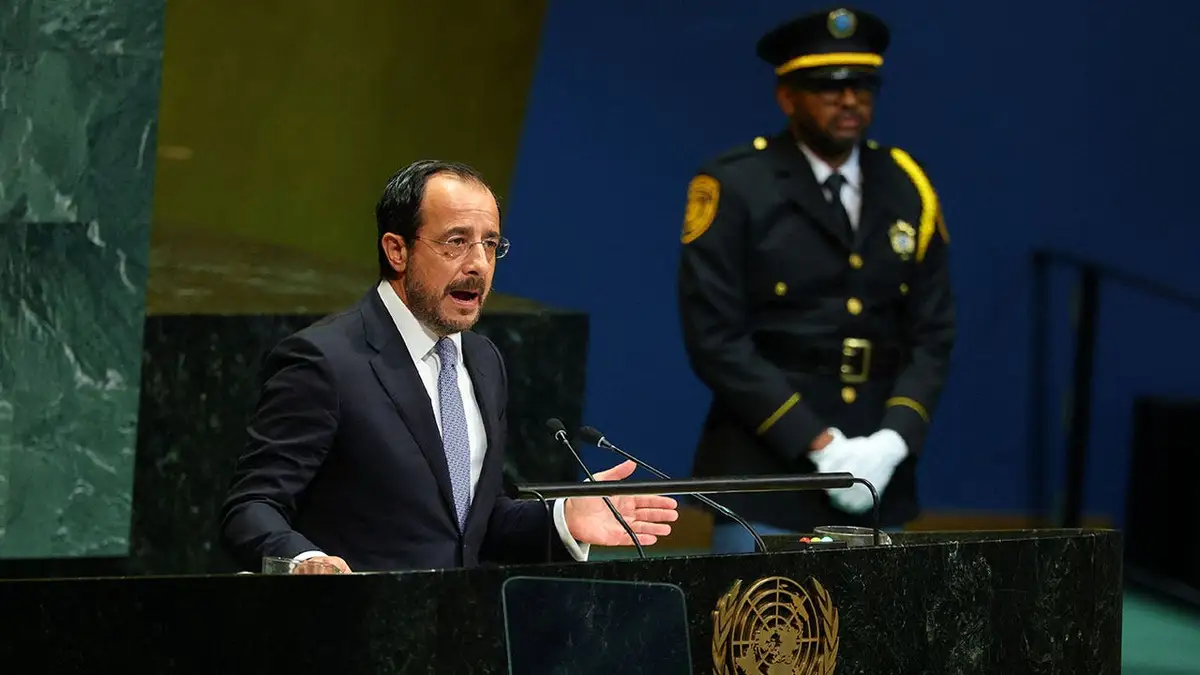
Reunification negotiations collapsed in 2017 at the Swiss resort of Crans-Montana. The U.N. framework historically demands a bizonal, bicommunal federation, but Turkey has recently pivoted to advocating for a permanent two-state solution—a shift that fundamentally alters the diplomatic baseline and complicates any resumption of talks. U.N. Secretary-General António Guterres attempted to restart the process with a visit to Cyprus on July 28-29, holding meetings with Christodoulides and Turkish Cypriot leader Tufan Erhürman to push toward a comprehensive settlement.
Beyond energy infrastructure and reunification, the regional security architecture is shifting rapidly. Washington renewed Cyprus’ exemption from U.S. International Traffic in Arms Regulations restrictions for fiscal year 2027 earlier this month. The waiver permits the transfer of American defense articles and services, cementing Cyprus’ eligibility for Foreign Military Sales and the Excess Defense Articles program. This represents a dramatic reversal from previous decades when the U.S. maintained a strict arms embargo on the island to avoid antagonizing Turkey, a NATO ally.
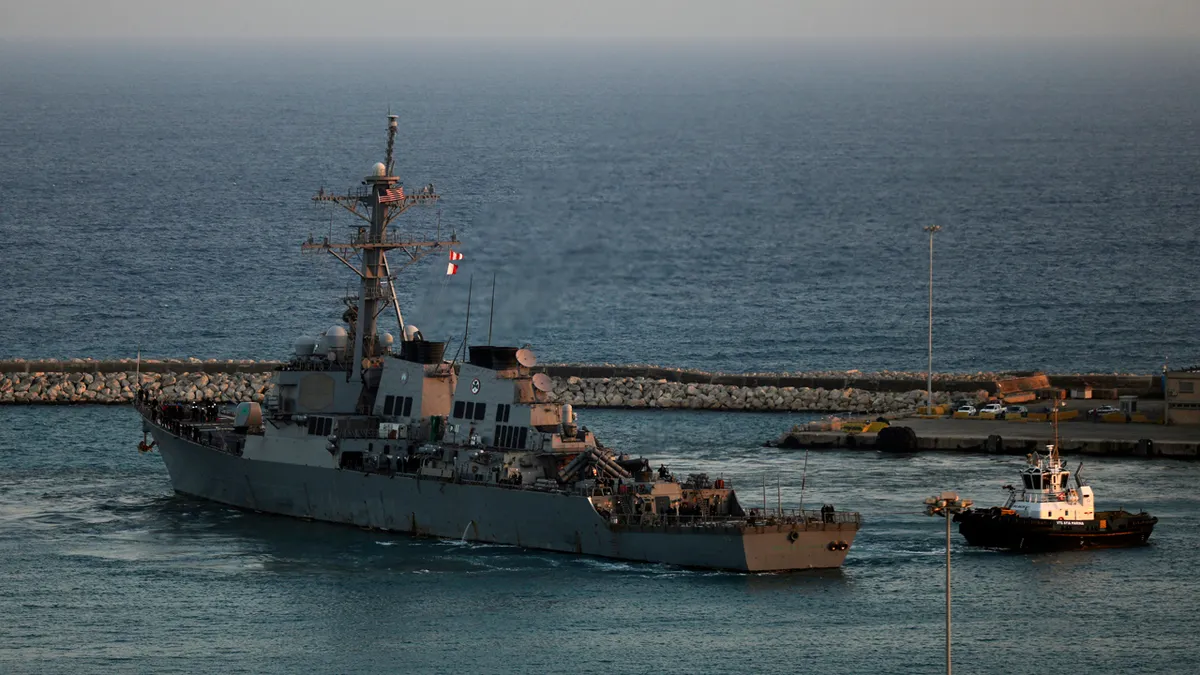
The deepening defense relationship includes joint military exercises and efforts to upgrade Cypriot port and air facilities for compatibility with U.S. and NATO assets. The guided-missile destroyer USS The Sullivans docked at Larnaca port in December 2024, signaling Washington’s willingness to project naval power directly from Cypriot shores amid broader Middle Eastern instability.
Kombos warned that any potential U.S. decision to supply F-35 stealth fighter jets to Turkey would severely destabilize this emerging security balance. Congress previously removed Turkey from the F-35 program in 2019 after Ankara purchased Russian S-400 missile defense systems, but periodic discussions about reinstating the sale surface as Washington seeks leverage over Turkish foreign policy.
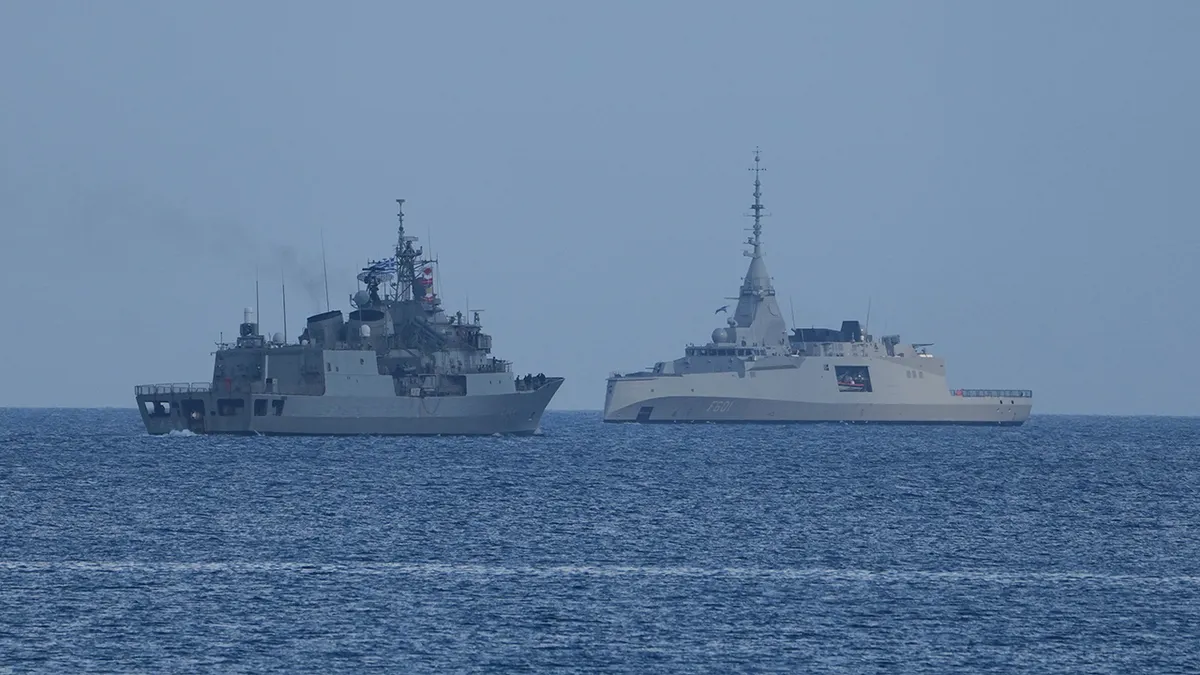
Greece, which operates alongside Cyprus in Eastern Mediterranean security arrangements, deployed the frigates Psara and Kimon off the coast of Limassol in March 2026, reflecting coordinated naval posturing among nations seeking to secure maritime boundaries against Turkish exploration vessels.
Cyprus is positioning itself as a logistical and strategic node connecting Europe, Israel, and Gulf states. The integration of its ports and airspace into Western military planning, combined with the pending energy interconnector, transforms the island from a peripheral European state into a critical junction for both continental energy security and Middle Eastern power projection. Whether the Great Sea Interconnector can overcome Turkish maritime blockades will determine if that transformation extends to the electrical grid.