Free Palestine Banner Flies Over Gillette Stadium During NFL Game
Boston-area residents organized the aerial protest following Robert Kraft's decision to block rapper Macklemore from performing at the venue.
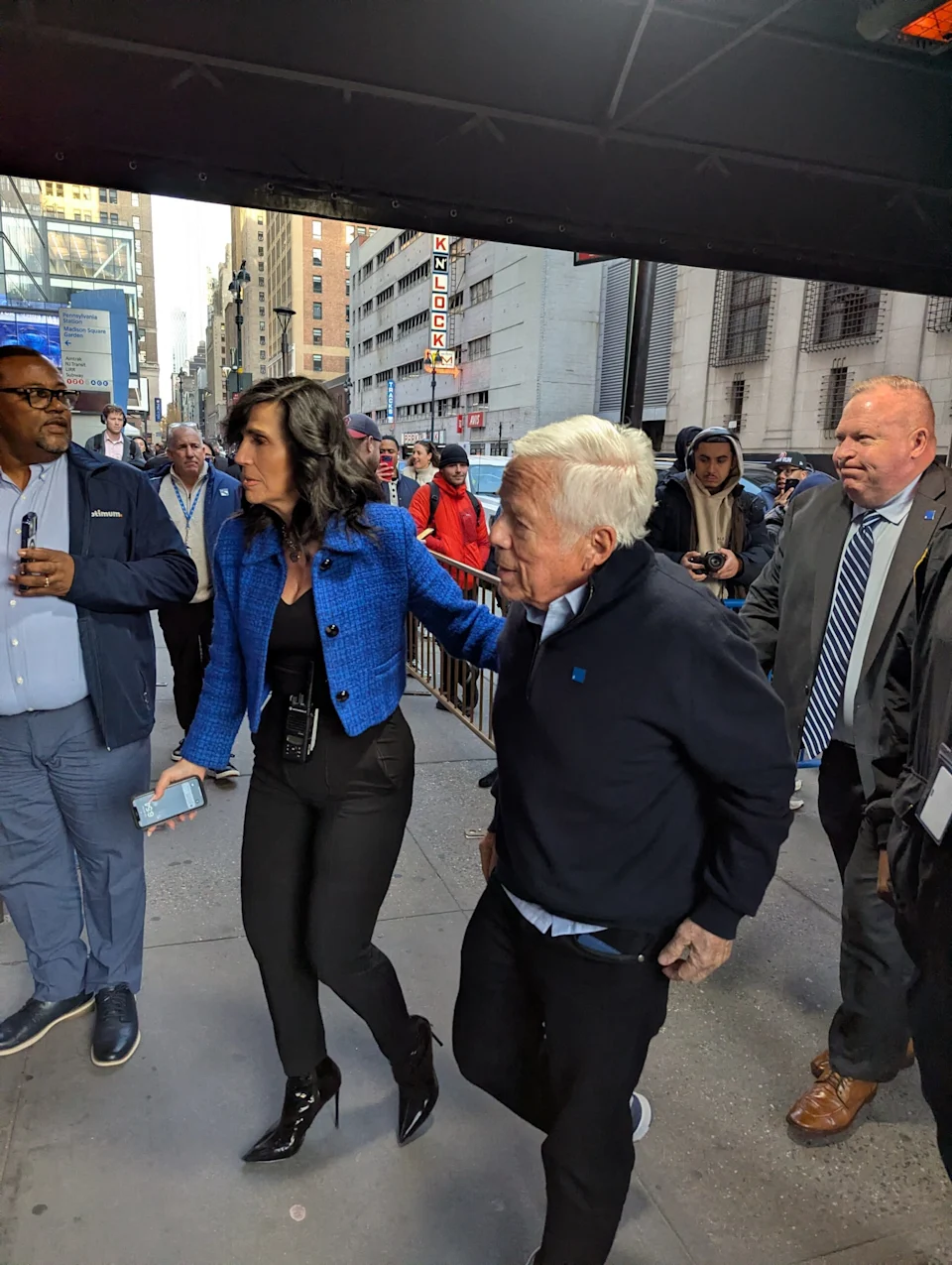
A banner reading “Free Palestine” trailed behind a small aircraft circling Gillette Stadium during Sunday’s game between the New England Patriots and Las Vegas Raiders, escalating a monthslong dispute over political expression at the venue controlled by billionaire owner Robert Kraft.
Videos of the aerial display circulated widely online within minutes of the flyover. The organizers, described by journalist Prem Thakker as a group of Boston-area residents, have not publicly identified themselves or detailed how they funded the operation. Chartering an airplane for banner towing typically costs several hundred dollars per hour, requiring advance coordination with both the pilot and the Federal Aviation Administration.
The FAA permits commercial banner towing near stadiums under strict altitude and distance regulations, though federal temporary flight restrictions routinely prohibit most unauthorized aircraft from operating directly over NFL venues during games. These security perimeters, established after the September 11 attacks, generally allow specifically pre-cleared operations such as broadcast helicopters and approved promotional flights, raising questions about how the protest aircraft secured clearance or whether it operated along the outer boundary of the restricted airspace.
Sunday’s flyover represents the latest flashpoint in a widening conflict between Kraft and artists who have used his stadium to voice support for Palestinians. The friction began when rapper Macklemore was dropped as an opening act for Ed Sheeran’s U.S. tour. Macklemore had made pro-Palestinian remarks during performances connected to the pop star’s run of shows.
Kraft intervened directly, issuing a statement that characterized the rapper’s comments and imagery as “deeply offensive and hurtful to the Jewish community.” The Patriots owner argued that hosting Macklemore would violate Gillette Stadium’s policy against providing “a platform for hate speech” and its commitment to maintaining a welcoming environment. Macklemore countered by accusing Kraft of leveraging his influence among professional sports ownership circles to pressure other stadium operators into blocking his appearances nationwide.
The fallout extended well beyond Foxborough, Massachusetts. Several artists scheduled to open for Sheeran withdrew from the tour in solidarity with Macklemore, forcing Sheeran’s production team to scramble for replacement acts on subsequent dates. Macklemore launched an independent mini-tour centered on Palestinian advocacy, pledging $1 million in net earnings from his work with Sheeran to organizations supporting Palestinians and publicly challenging Kraft to match the donation. The episode also strained the personal relationship between Macklemore and Sheeran, though neither musician has formally addressed the status of their friendship.
Before the aerial protest, the stadium itself served as the backdrop for a separate demonstration of solidarity. Earlier this month, country music star Zach Bryan wore a shirt bearing the phrase “Free Palestine” during back-to-back concerts at Gillette Stadium. Members of Bryan’s band also wore clothing carrying similar messaging. Bryan did not address the garments from the stage, but the visual choice immediately drew attention given Kraft’s recent actions against Macklemore.
Gillette Stadium, which opened in 2002 and seats more than 65,000 spectators, operates as a private facility where Kraft exercises broad discretion over permitted speech and expression. Unlike public parks or government-owned arenas, private stadium owners can legally enforce viewpoint-based restrictions on performers, vendors, and attendees without violating the First Amendment. This legal reality has placed Kraft’s enforcement policies at the center of a broader national debate regarding the intersection of professional sports, entertainment platforms, and geopolitical activism.
The identities of the Boston-area residents who organized Sunday’s aerial protest remain unconfirmed.