Trump Weighs U.S. Military Action After Houthi Airport Attacks
An American was among 14 killed as Iran-backed forces targeted Riyadh and Dammam aviation hubs following U.S. sanctions on Tehran's airlines.
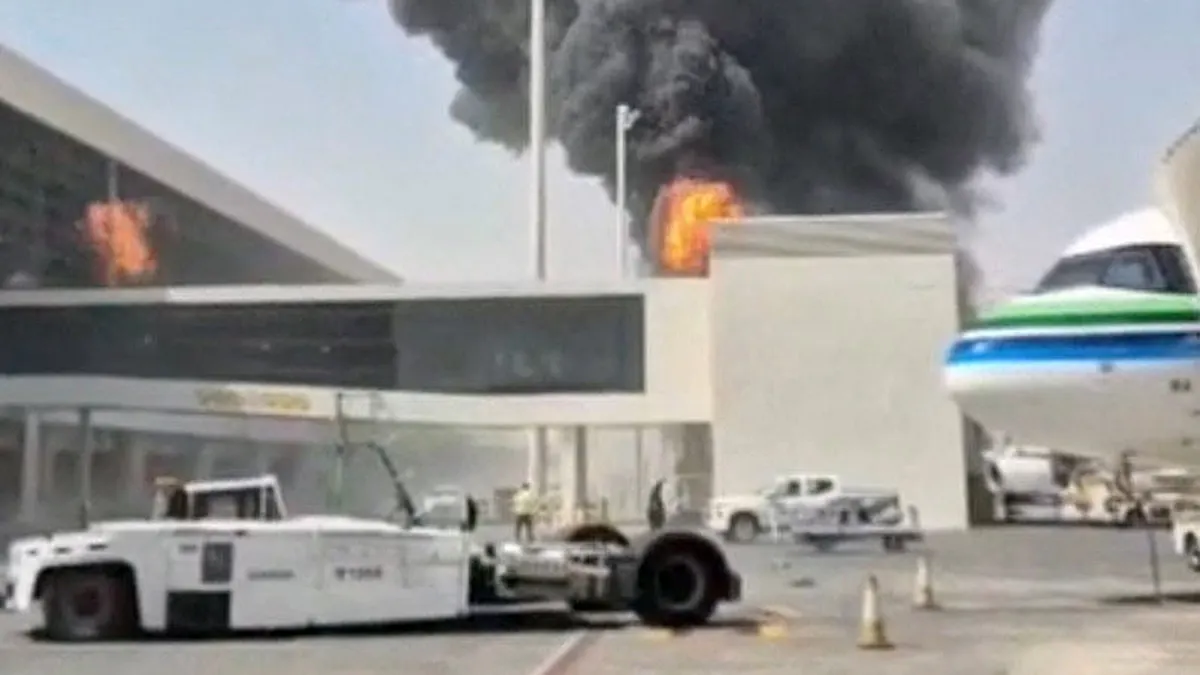
President Donald Trump signaled the United States could intervene militarily in Saudi Arabia after a series of drone and missile strikes on civilian airports killed at least 14 people, including an American citizen, and wounded more than 300 across the kingdom over the weekend.
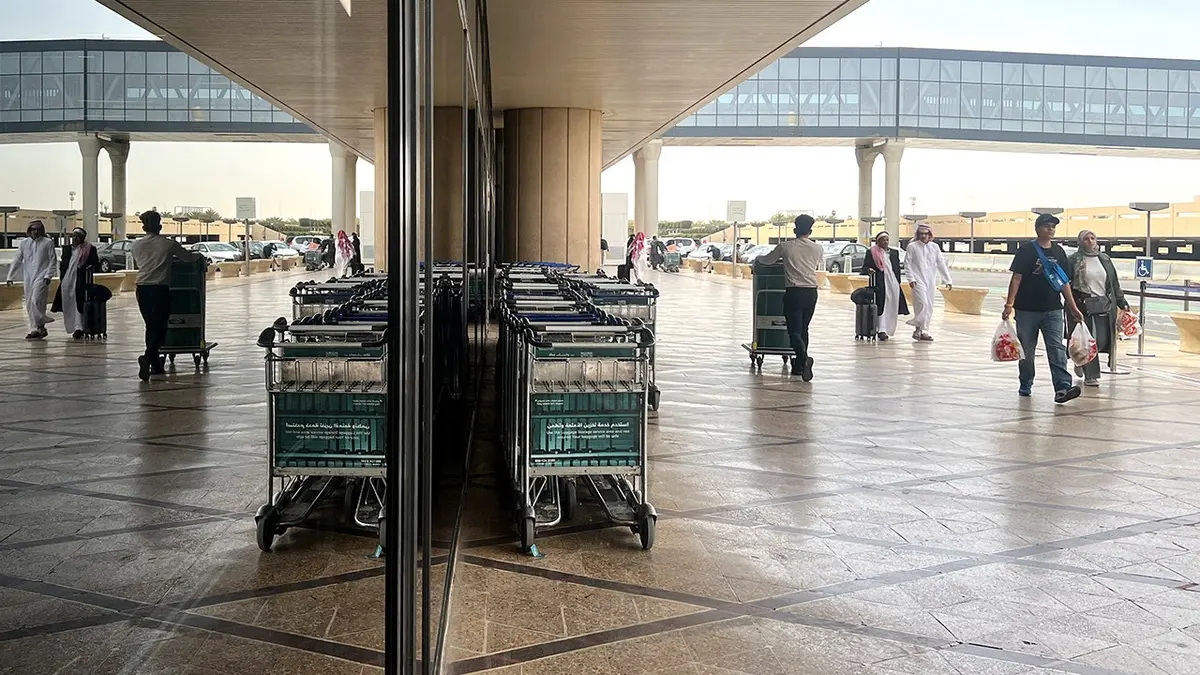
The coordinated assaults targeted King Khalid International Airport in Riyadh and an aviation facility in Dammam in the Eastern Province. Yemen’s Houthi movement claimed responsibility for the initial Riyadh strike on Saturday, which accounted for 13 fatalities. A separate attack on Sunday killed a Pakistani resident and injured 11 others. The Houthis subsequently issued warnings urging airlines, airport personnel, and travelers to avoid all Saudi aviation hubs.
“We may. We’re gonna look at it. We move very quickly,” Trump said when asked about potential U.S. participation in a Saudi military response against the Iran-backed group.


Secretary of State Marco Rubio condemned the violence and confirmed the death of the American national. He also accused Tehran of flying Islamic Revolutionary Guard Corps personnel directly into Yemen as the conflict intensifies, pointing to deepening operational integration between Iranian commanders and Houthi fighters.
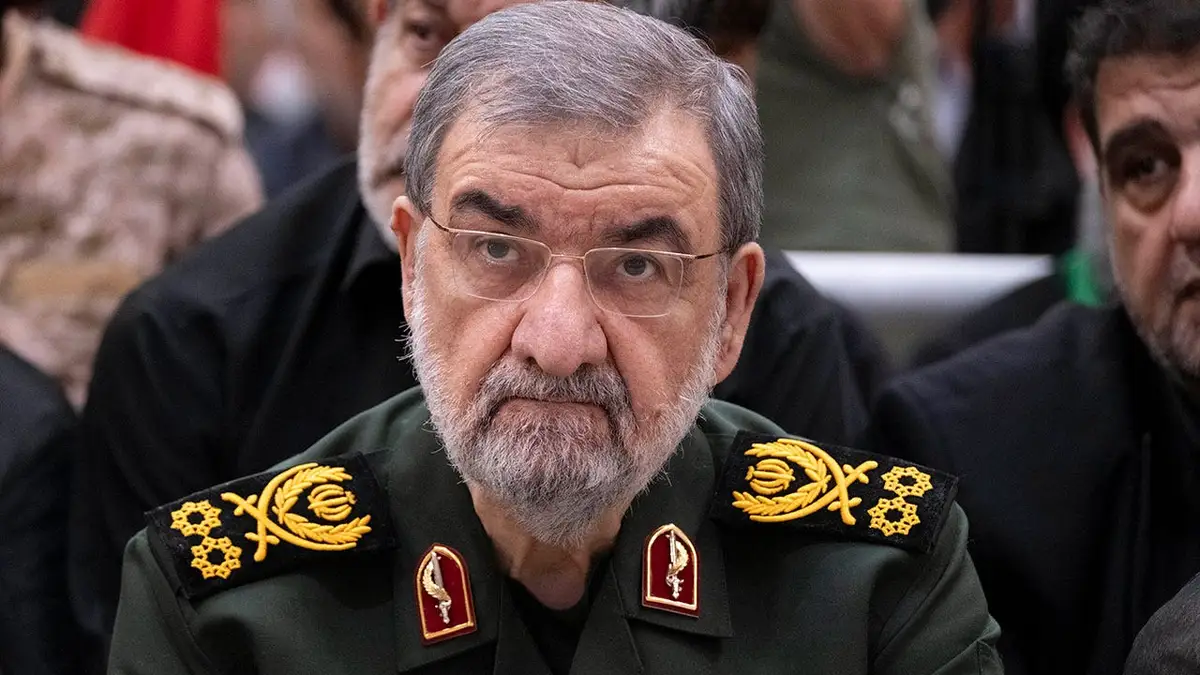
The decision to strike commercial aviation infrastructure traces directly to Washington’s maximum pressure campaign against Tehran. In September, the U.S. imposed sweeping sanctions designed to cripple Iran’s commercial airline sector and restrict its airspace access. Mohsen Rezaei, secretary of Iran’s Supreme National Security Council and a former IRGC general, publicly threatened on Sept. 23 to paralyze the airports of any neighboring country that cooperated with U.S. efforts to ground Iranian flights.
Behnam Ben Taleblu, senior director of the Iran Program at the Foundation for Defense of Democracies, described the weekend strikes as a textbook example of cross-domain escalation. By targeting civil aviation, Tehran’s proxies inflict immediate economic damage on Gulf states while testing the limits of U.S. deterrence without engaging American warships directly.
While Iran has supplied the Houthis with ballistic missiles, cruise missiles, and one-way attack drones for years, the degree of direct tactical control Tehran exercised over this specific operation remains unverified. However, the precision required to strike active international terminals suggests advanced targeting data. Lawmakers raised alarms during a Sept. 1 House Foreign Affairs subcommittee hearing regarding persistent reports that Russia is supplying the Houthis with satellite intelligence, advisory support, and targeting assistance for anti-ship and land-attack systems.
Moscow has historically provided diplomatic cover for the Houthis at the United Nations Security Council, blocking resolutions that would authorize broader multinational enforcement actions. The introduction of Russian satellite reconnaissance would explain the group’s evolving ability to strike hardened or time-sensitive targets deep inside Saudi territory, a capability previously limited by the Houthis’ reliance on older, less accurate guidance systems.
The airport offensive coincides with significant territorial expansion by Houthi forces inside Yemen. Since April, the group has pushed back against Saudi-backed government forces, consolidating control despite a period of relative diplomatic quiet. This ground momentum has emboldened the movement to project power outward, threatening not only Gulf infrastructure but also global shipping lanes.
Houthi commanders have repeatedly threatened to shutter the Bab Al-Mandeb Strait, the narrow chokepoint connecting the Red Sea to the Gulf of Aden through which roughly 12 percent of global trade passes. Any sustained disruption there would force commercial vessels to reroute around the Cape of Good Hope, adding weeks to transit times and spiking global freight costs.
For the U.S., the calculus involves balancing the defense of a primary regional ally against the risk of being drawn into another open-ended Middle Eastern conflict. American forces already conduct periodic strikes against Houthi radar sites and launch positions under Operation Prosperity Guardian, established to protect Red Sea shipping. Direct participation in a Saudi retaliatory campaign would represent a fundamental shift from defensive maritime patrols to offensive operations on the Arabian Peninsula.
Saudi Arabia’s civil aviation authority placed all major airports on heightened alert following the Dammam strike, while regional carriers began rerouting flights away from Yemeni airspace. The U.S. Embassy in Riyadh issued security guidance advising American citizens in the kingdom to shelter in place and monitor local emergency broadcasts as Saudi defense forces mobilized for potential counterstrikes.