Sanctioned Iranian Airlines Land 83 Times in Turkey
Carriers linked to the IRGC continued using Turkish runways despite Treasury warnings, complicating F-35 diplomacy and regional sanctions enforcement.
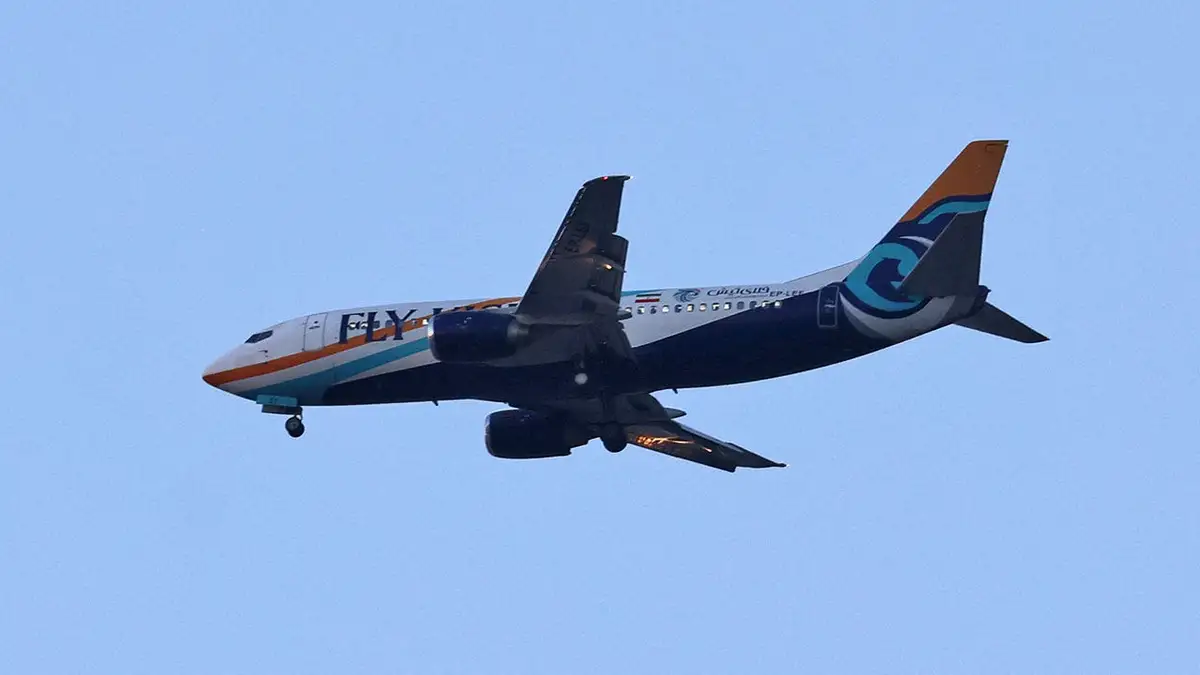
Twelve Iranian airlines designated under U.S. sanctions landed at least 83 times across Turkish airports in the five days immediately following a Sept. 23 deadline intended to cut Tehran off from global aviation networks, according to flight data reviewed by the Foundation for Defense of Democracies.
The landings at Istanbul, Ankara and Izmir expose a critical enforcement gap inside a NATO member state just as the Trump administration weighs restoring Ankara’s access to the F-35 fighter jet program. Treasury Secretary Scott Bessent had warned that after the wind-down deadline expired, any company providing fuel, landing support or financial services to sanctioned Iranian carriers risked losing access to the U.S. financial system.
Instead of halting operations, the data shows Iran Airtour and Caspian Airlines each completed 12 arrivals during the window. Iran Air logged 10, while ATA Airlines and AVA Airlines recorded nine each. Eight of the twelve carriers identified in the tracking data were newly designated on Sept. 8, when the Treasury Department applied Executive Order 13902 to all 27 remaining active Iranian airlines.


The persistence of these routes stands in sharp contrast to the rest of the Middle East. Over the past year, Washington successfully pressured Iraq, the United Arab Emirates and Oman to deny airspace and tarmac access to Iranian commercial fleets. Turkey remains the primary geographic exception, offering Tehran its most viable overland bridge to Europe and a hub for passenger and cargo transit.
Ankara has taken partial steps to comply with U.S. demands. Turkish Airlines, AJet and Pegasus scrubbed flights to Iran from their schedules. Mahan Air, sanctioned since 2011 for allegedly transporting material and personnel for the Islamic Revolutionary Guard Corps-Quds Force, suspended service to Turkey on Sept. 21. The Turkish government also revoked the operating license of Bank Mellat, an Iranian financial institution.
Yet carriers with deep ties to Iranian military logistics continue operating freely. Caspian Airlines and Meraj Air, both designated as Specially Designated Global Terrorists in August 2014 for ferrying weapons and IRGC fighters into Syria during the Syrian civil war, remained among the airlines touching down on Turkish runways.
This selective compliance collides directly with ongoing diplomatic negotiations between Washington and Ankara. President Donald Trump signaled during a July 2026 visit to Turkey that his administration would lift sanctions imposed in 2020 after Ankara purchased Russia’s S-400 air-defense system, a transaction that triggered Turkey’s expulsion from the F-35 Joint Strike Fighter program. Turkish President Recep Tayyip Erdoğan stated on Sept. 24 that he expects concrete American steps toward readmission. However, congressional restrictions tied to the continued presence of Russian radar systems on Turkish soil remain a statutory barrier the executive branch cannot unilaterally bypass.
Treasury officials say they are pressing the issue behind closed doors. A department spokesperson confirmed that senior-level engagements with Turkish authorities are ongoing, specifically warning Turkish financial institutions and ground-handling companies about secondary sanctions exposure under the broader “Operation Economic Outcast” campaign. The administration claims the pressure strategy is degrading Tehran’s macroeconomic stability, pointing to record lows for the Iranian rial and asserting that no crude oil was loaded onto tankers in September.
Aviation represents only one front in the enforcement challenge. On Sept. 25, United Against Nuclear Iran reported that investigators observed a concentration of Iranian-linked tankers, bulk carriers and cargo vessels operating roughly 100 nautical miles into the South China Sea near Malaysia’s Eastern Outer Port Limits. The group described Malaysian bunker vessels supplying fuel to the fleet, creating what UANI CEO Ambassador Mark D. Wallace called a “floating city” designed to evade maritime blockades. UANI leadership has urged Treasury to sanction entities connected to Malaysia’s Pengerang petroleum complex, though those calls represent advocacy positions rather than established legal violations.
Treasury has reportedly mapped the financial channels and deceptive shipping practices facilitating this maritime network and continues raising the findings with foreign counterparts. Simultaneously, the department expanded its targeting on Sept. 29, announcing new sanctions against individuals and companies accused of procuring weapons components for Iran’s Ministry of Defense and Armed Forces Logistics.
FDD researchers Ahmad Sharawi and Sinan Ciddi, who compiled the Turkish flight data using Flightradar24 histories, argue that symbolic concessions by Ankara will not close the aviation loophole without direct action against the private sector infrastructure keeping the planes fueled and serviced. Targeting the specific Turkish ground-support companies handling the arrivals, they contend, would force private firms to sever ties to avoid being cut off from dollar clearing.
The Turkish and Malaysian embassies in Washington did not respond to requests for comment regarding the ongoing flight operations and maritime activity.