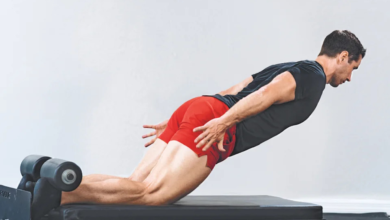
Pilates vs. Weight Training: Experts Settle the Muscle-Building Debate
Strength coach and Pilates instructor agree: programming matters more than method
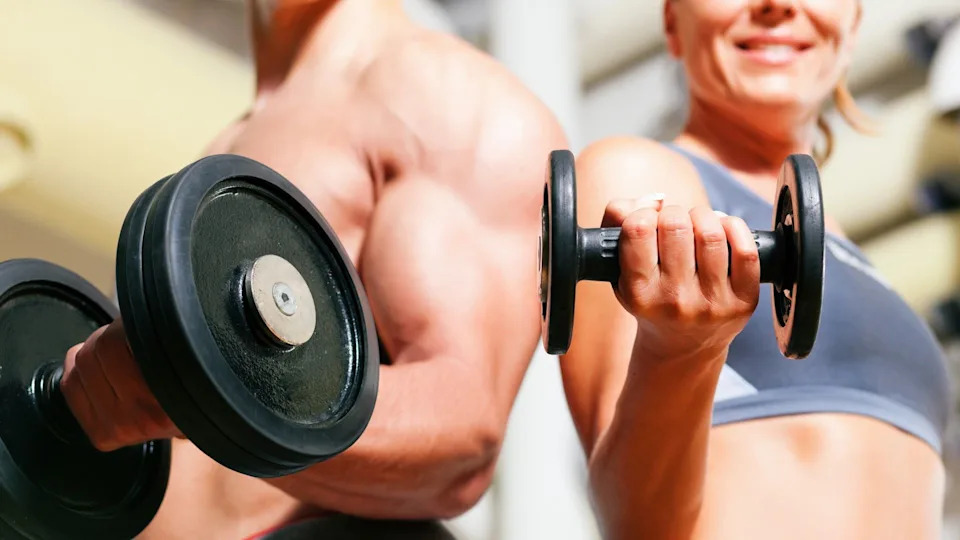
Strength coaches and Pilates instructors have long argued over which method builds muscle more effectively. The answer, according to experts on both sides, isn’t binary — it depends entirely on programming, progression, and what kind of muscle adaptation you’re chasing.
Tom’s Guide spoke with strength coach Griffiths and Pilates instructor Palmiero to cut through the noise. Their consensus: Pilates can drive hypertrophy and strength gains, but only when it applies genuine progressive overload. Most studio classes don’t.
“Standard Pilates uses lighter resistance, higher reps, longer time under tension,” Griffiths said. “The payoff shows up in endurance, control and stability. Top-end strength adaptation, though, sits outside what that stimulus can reach.”


The physiological distinction matters. Heavy resistance training — think barbells at 70% of one-rep max — recruits type II muscle fibers responsible for maximal force and visible hypertrophy. Progressive overload on compound lifts (squat, deadlift, press, row) allows load increases of 1.25 kg per week for years. Research consistently shows 10 to 20 hard sets per muscle group weekly as the hypertrophy sweet spot.
Pilates operates differently. Variable resistance from reformer springs, bands, or bodyweight changes tension throughout the range of motion, demanding continuous core stabilization and deep-muscle engagement. Palmiero describes it as “low-impact, high tension” — intense muscular burn without compressive joint loading. The method excels at correcting unilateral imbalances often masked during bilateral barbell work, while building flexibility, posture, and mind-body connection.
Classical Pilates actually includes squats, push-ups, and single-leg progressions designed by Joseph Pilates himself. But Griffiths notes these advanced variations rarely appear in typical studio classes, which cater to clients seeking mobility and core work rather than muscle growth.
“With progressive overload and genuine intensity, Pilates absolutely drives hypertrophy and strength adaptation,” Griffiths said. “Spring tension climbing week on week, lever arms getting longer, tempo slowing down, volume creeping up — put all that together, and the result is a complete strength program.”
Hybrid approaches are emerging. Modern “3-in-1” concepts integrate dumbbells, activation bands, and heavier spring settings directly into reformer and mat work. Palmiero says this preserves Pilates’ joint-friendly stability benefits while adding the mechanical tension necessary to continually challenge muscle fibers.
Programming depends on the goal:
For all-round strength and athleticism, Palmiero recommends three to four weekly hybrid resistance-style Pilates sessions combining reformer, mat, and light-to-moderate weights.
To combine heavy lifting with Pilates, she suggests two to three dedicated resistance sessions plus two Pilates sessions weekly, with recovery days between high-intensity sessions targeting the same muscle groups.
For general health and longevity, Griffiths prescribes two to three full-body or upper/lower resistance sessions plus one to two Pilates sessions.
Chasing significant size or strength? Three to five weekly lifting sessions with Pilates as active recovery or accessory work.
Pilates-first approach? “A conversation with the instructor is the starting point,” Griffiths said. Advanced curriculum opens from there, supplemented by two 10-minute home sessions with bodyweight or dumbbells.
Injury rehabilitation? Two to three weekly Pilates sessions to rebuild, layering in resistance training once tolerance allows.
Over 55? Both practices become non-negotiable. Lifting protects bone density, muscle mass, and cuts fall risk. Pilates covers balance, mobility, and spinal health.
The bottom line: Pilates builds lean muscle, functional strength, and definition through time under tension and controlled movement. Traditional weightlifting remains essential for maximal bodybuilding bulk or powerlifting strength. Most people benefit from both — the ratio just shifts based on the goal.