Israeli voters head to the polls on Oct. 27 in a national election defined by an unresolved war, deep public anger over the Oct. 7, 2023, Hamas attack, and a fragmented opposition attempting to unseat Prime Minister Benjamin Netanyahu after his longest consecutive stretch in power.
No single party is projected to secure the 61 seats required for a governing majority in the 120-seat Knesset. Polling suggests the most probable outcome is another legislative deadlock — a scenario that would leave Netanyahu in place as caretaker prime minister while coalition negotiations drag on. Israel endured five elections between 2019 and 2022 before forming a stable government, making the prospect of renewed paralysis a central anxiety for voters already strained by two years of continuous military mobilization.
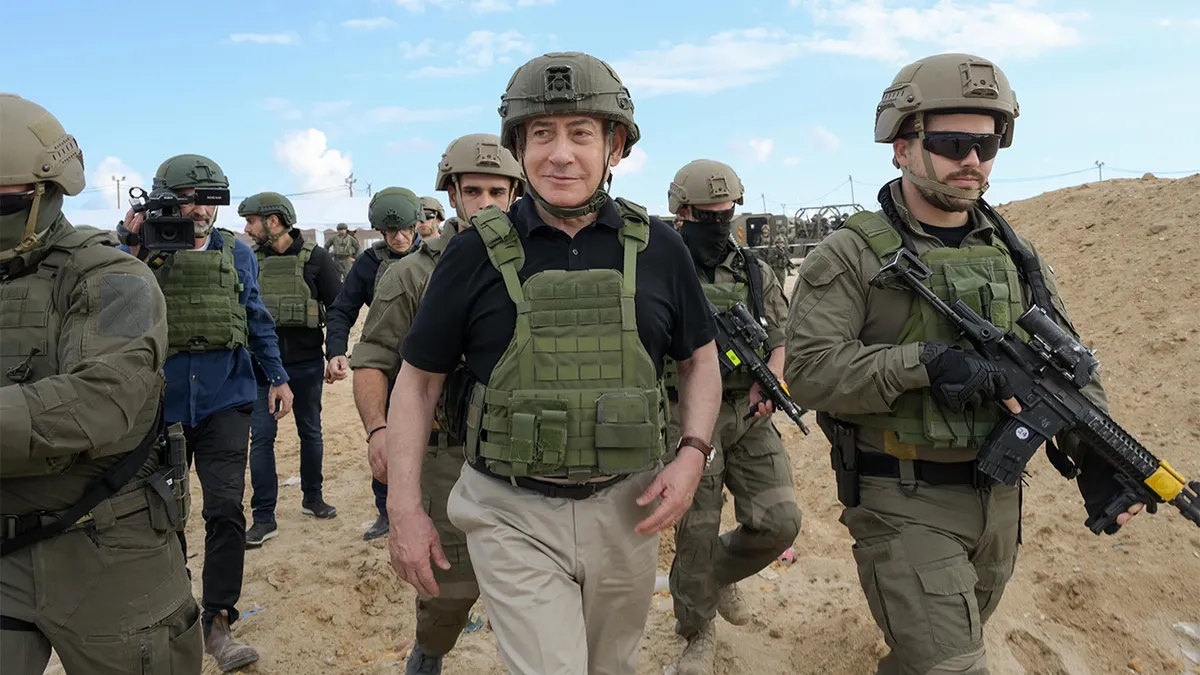

The campaign has forced a direct confrontation between security doctrine and political accountability. Netanyahu’s Likud party is running on its record of dismantling much of the Iranian-backed proxy network surrounding Israel, including the degradation of Hezbollah following the September 2024 pager attacks and sustained operations against Hamas in Gaza. His challengers argue that military progress does not erase the intelligence and command failures that allowed the Oct. 7 massacre to occur, nor does it offset the severe economic toll of prolonged reserve duty call-ups and disrupted trade.
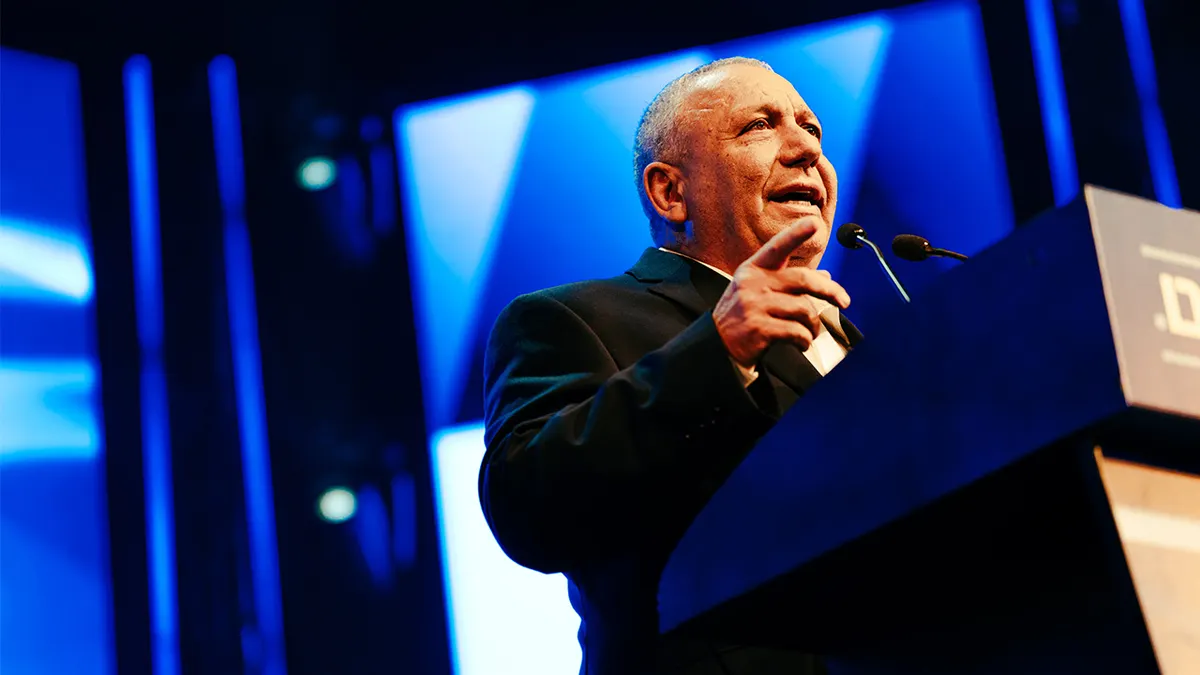
Retired Israel Defense Forces Chief of Staff Gadi Eisenkot has emerged as the primary challenger, leading the Yashar Party. Eisenkot represents a distinct faction within the opposition: security hawks who believe the wars were necessary but mismanaged, and who advocate for earlier diplomatic off-ramps. He publicly pushed to finalize a ceasefire agreement with Hezbollah immediately after the pager operation, a stance that sharply contrasts with Netanyahu’s insistence on pursuing “total victory.”
Former Prime Ministers Naftali Bennett and Yair Lapid are contesting the election on a joint slate called B’Yachad, or Together. The two briefly governed Israel from 2021 to 2022 during the only period in nearly three decades when Netanyahu was out of office. Their alliance is part of a broader, ideologically diverse anti-Netanyahu bloc colloquially known as “Rak Lo Bibi” — Hebrew for “Anyone but Bibi.” This loose coalition spans from Avigdor Liberman’s secular nationalist Yisrael Beiteinu party to The Democrats, representing the furthest left-wing option on the ballot.
Unlike American presidential races, Israeli voters cast ballots for party lists rather than individual candidates. Seats in the Knesset are allocated through proportional representation, provided a party clears the 3.25% electoral threshold. Because no party in Israel’s history has ever won an outright majority, the leader who can assemble a coalition of 61 lawmakers receives the mandate to form a government and distribute cabinet portfolios.
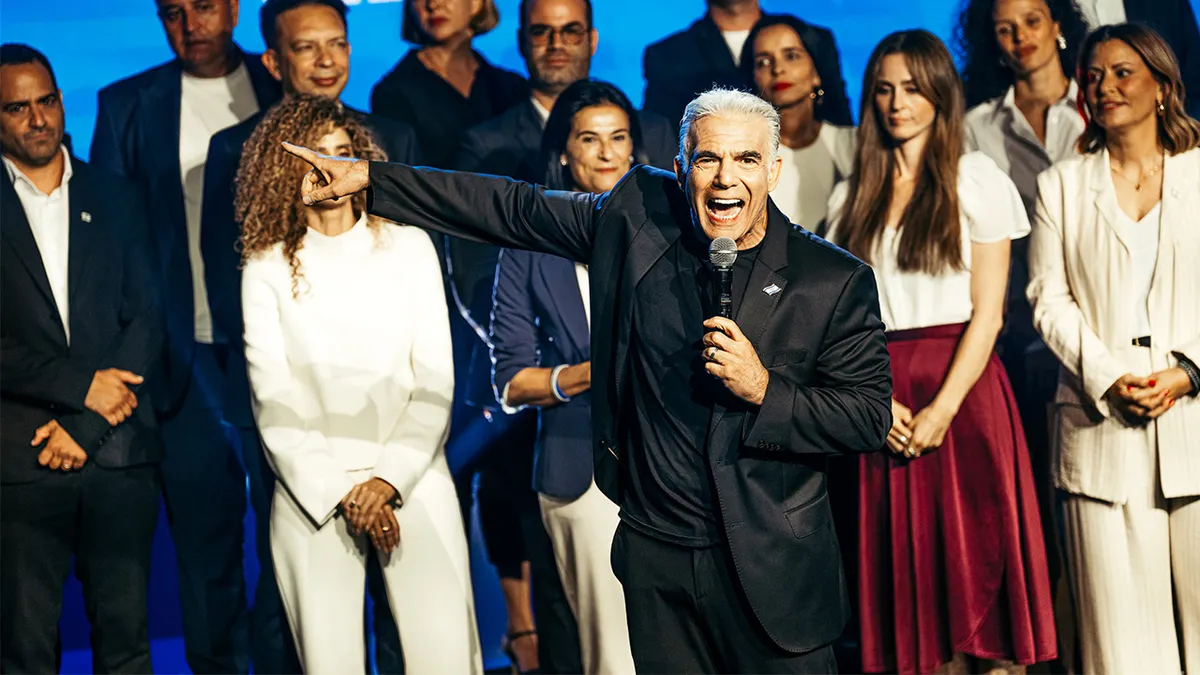
This structural reality means smaller parties wield disproportionate leverage. Ultra-Orthodox factions, Arab-Israeli parties, and niche ideological groups frequently dictate terms to larger blocs desperate for their seats. The current outgoing government marks the first time in several decades that a ruling coalition managed to complete its full four-year term without collapsing prematurely.
Beyond the immediate aftermath of the Gaza war, the incoming government will face escalating pressure regarding Iran’s nuclear program. Tehran has continued enriching uranium to near-weapons-grade levels while receiving diplomatic and technological backing from Russia and China. Israel’s ability to act unilaterally against Iranian nuclear facilities remains constrained by geography and logistics, making coordination with Washington a decisive factor regardless of which coalition takes power in Jerusalem.
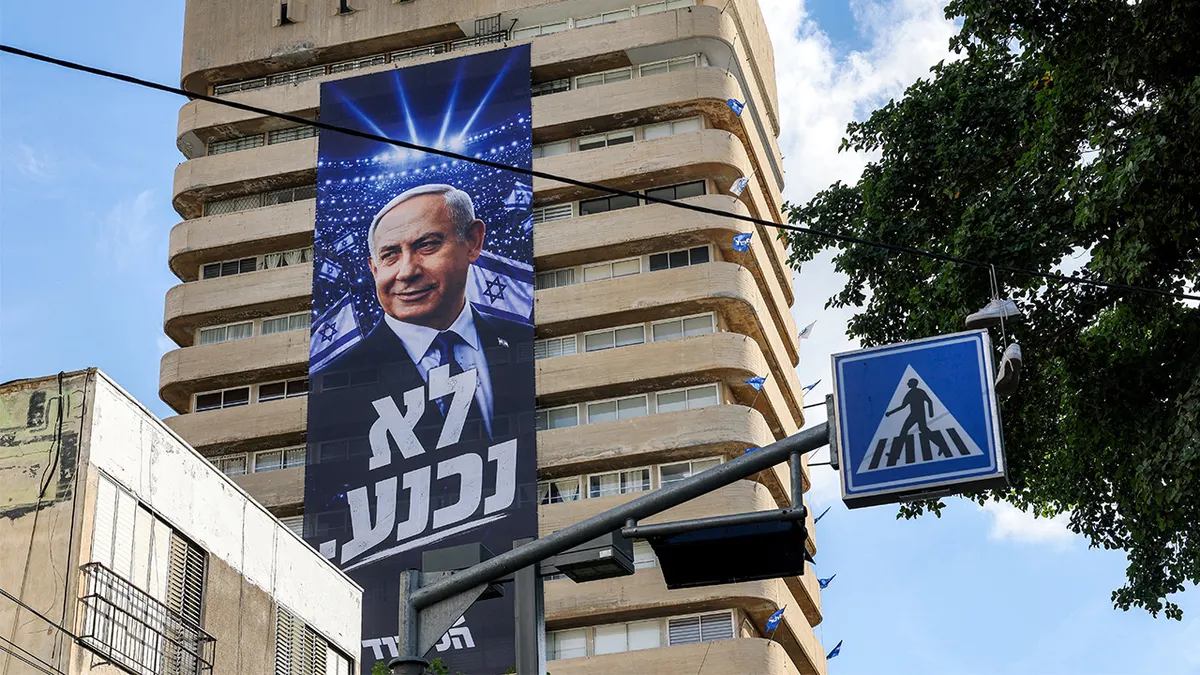
Netanyahu has signaled a desire to eventually reduce Israel’s reliance on American financial aid to zero, framing the country’s high-tech economy and expanded defense-industrial base as sufficient for long-term self-reliance. U.S. military assistance currently flows through a 10-year memorandum of understanding signed in 2016, guaranteeing $38 billion through 2028. Any fundamental shift in that financial relationship would require renegotiation well beyond the scope of a single Israeli electoral cycle.
The Knesset officially dissolved ahead of the campaign period in late summer, triggering the formal countdown to the Oct. 27 vote. Central Elections Committee Chairman Justice Yitzhak Amit certified the final candidate lists in early September, confirming that all major factions cleared legal thresholds to compete.