Volume Eating Explained: How Low-Calorie Density Drives Weight Loss
Gastric stretch receptors and energy density explain why high-volume, low-calorie meals sustain satiety without strict macronutrient bans.
A dietary strategy built on physics rather than restriction is gaining traction among registered dietitians who warn that traditional calorie-counting often backfires. Volume eating, formally structured as the Volumetrics Diet by Pennsylvania State University researcher Barbara Rolls in the early 2000s, shifts the focus from how many calories a person consumes to how much physical space those calories occupy in the stomach.
The approach exploits a biological mechanism called gastric mechanoreception. When food enters the stomach, the organ expands. This stretching activates vagal nerve stretch receptors that transmit satiety signals directly to the brainstem. A plate loaded with high-water, high-fiber foods triggers these fullness signals long before a caloric surplus occurs, effectively hijacking the body’s natural appetite regulation system without requiring willpower or point-tracking apps.
This physiological reality explains why 100 grams of raw spinach delivers roughly 23 calories while occupying significant gastric volume, whereas 100 grams of chocolate packs 546 calories into a fraction of the space. Cooked pasta sits between them at about 121 calories per 100 grams. The metric driving this disparity is energy density—calories measured per gram of food. Foods rich in water and fiber inherently score low on this scale, while those heavy in fat and refined sugar score high.


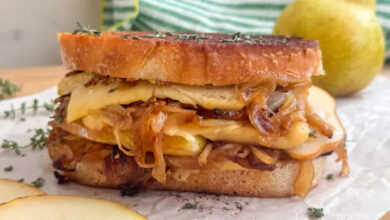
Unlike commercial weight-loss programs that mandate eliminating carbohydrates or fats, volume eating operates as an addition-based framework. No macronutrient is banned. Instead, practitioners restructure their plates so that low-energy-density items dominate the real estate. A dinner might still include pizza, but the slice is accompanied by a massive salad rather than the reverse. This distinction separates volumetrics from cyclical fad diets that historically yield high relapse rates due to psychological deprivation.
Clinical literature supports the mechanics. Research published in journals including Obesity and Nutrients indicates that prioritizing low-energy-dense foods facilitates sustained weight management. Furthermore, the Dietary Guidelines for Americans recommend adults consume 1.5 to 2 cup-equivalents of fruit and 2 to 3 cup-equivalents of vegetables daily—benchmarks most U.S. adults fail to meet. Volume eating naturally closes this nutritional gap, increasing intake of phytonutrients, vitamins, and minerals alongside fiber.
Registered dietitian Elise Harlow notes that relying on physical fullness cues can protect individuals from the obsessive behaviors sometimes triggered by digital calorie trackers. Jennifer Schlette, another registered dietitian, cautions that while the metabolic impact remains healthy, the rate of weight loss may be slower compared to aggressive caloric deficits.
However, manipulating food volume carries specific clinical risks if executed poorly. The most common error involves inadvertently eliminating dietary fats in pursuit of lower calories. Essential fatty acids, particularly omega-3s found in nuts, seeds, avocados, and fish, are critical for cardiovascular, neurological, and immune function. Because lipids contain nine calories per gram—more than double that of proteins or carbohydrates—they are energy-dense by nature. Excluding them to maximize plate volume compromises long-term health. Meals must intentionally balance lean proteins like chicken breast, shrimp, tempeh, or salmon with adequate healthy fats.
Medical contraindications also exist. Schlette warns that individuals managing heart disease or hypertension should consult physicians before adopting high-volume plans, as certain voluminous whole foods can interact with prescribed sodium or fluid restrictions. Pregnant women require calibrated caloric increases that pure volume strategies might inadvertently suppress.
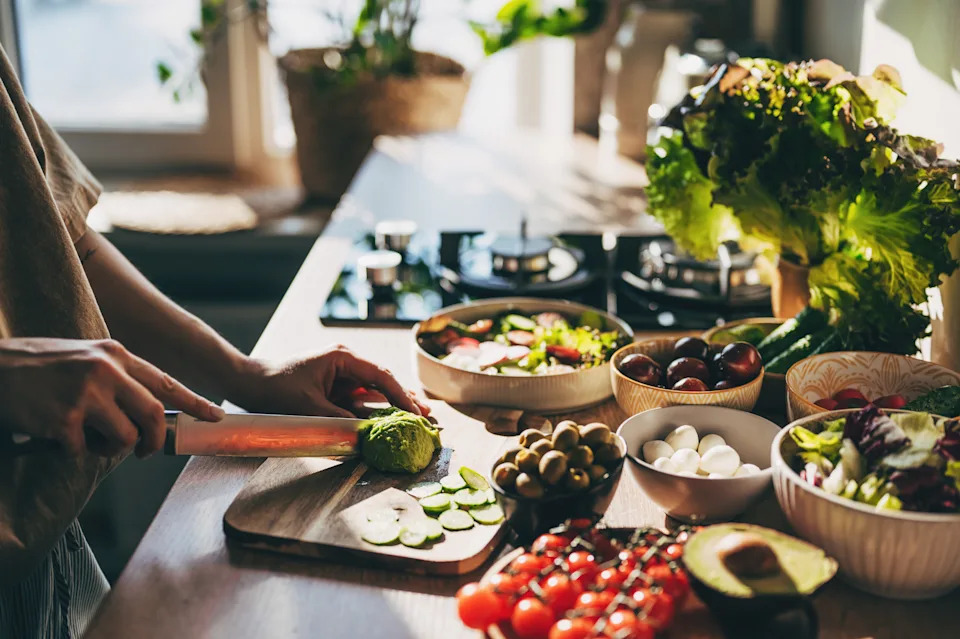
Practical execution relies heavily on ingredient substitution and strategic layering. Spaghetti squash or zucchini noodles replace traditional pasta to drastically cut energy density while maintaining portion size. Cauliflower rice serves a similar function for grain bowls. Adding spinach directly into scrambled eggs or blending vegetables into sauces increases meal volume invisibly. Between meals, snacks such as air-popped popcorn, raw vegetables paired with hummus, berries, or cottage cheese provide bulk without concentrated calories.
Rolls continues to update the Volumetrics framework through ongoing research at Penn State’s Laboratory for the Study of Human Ingestive Behavior, where recent trials have examined how water incorporated directly into foods—as opposed to drinking water alongside meals—uniquely alters gastric emptying rates and subsequent hunger intervals.