CoreWeave Debt Triggers Market Rotation as AI Faces State Bans
State-level data center moratoriums and rising energy-driven inflation compound Wall Street's fears over leveraged AI infrastructure spending.
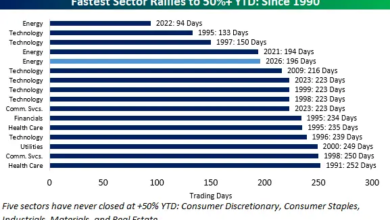
U.S. equity markets stabilized Thursday following a violent selloff driven by mounting concerns over artificial intelligence infrastructure debt, but the recovery exposed a sharp fracture beneath the surface. Capital fled technology heavyweights and rotated aggressively into broader industrial and consumer sectors, signaling that investors are no longer treating AI expansion as a guaranteed market tailwind.
The S&P 500 gained 0.33% Wednesday, while the equal-weight index surged 1.36%, with 378 of its 500 components advancing. The Nasdaq finished flat. Futures pointed to further gains early Thursday, up 0.42% ahead of the New York open. International markets followed suit, led by South Korea’s KOSPI jumping 2.05% and Japan’s Nikkei 225 rising 1.39%. Brent crude traded at $105 per barrel, and Bitcoin held near $82,101.
The catalyst for the turbulence was CoreWeave, the cloud computing provider that has become a primary engine for generative AI workloads. The company reported $35.6 billion in total debt alongside $16.3 billion in operating lease liabilities during its second quarter. Those obligations dwarfed its $4.6 billion in quarterly revenue, which failed to cover operating expenses and resulted in a $1.4 billion net loss.


CoreWeave defends its capital structure by pointing to $103.7 billion in remaining performance obligations—contractually binding “take-or-pay” agreements that legally prevent customers from canceling orders without paying. Forty-one percent of those contracts are scheduled to be fulfilled through 2028. Microsoft remains its most critical counterparty.
Accountants and credit analysts remain unconvinced that contractual language alone insulates the company from systemic risk. Francine McKenna, an investigative accountant and former Wharton instructor, questioned the viability of relying on a single major enterprise client to effectively underwrite tens of billions in leverage during a period of negative cash flow.
Unlike traditional hyperscalers such as Amazon Web Services or Microsoft Azure, which fund data center buildouts using massive free cash flow generated by diversified legacy businesses, pure-play GPU cloud providers rely almost entirely on external financing. When debt spreads widen—as they recently have for both CoreWeave and Oracle—the cost of sustaining exponential hardware acquisition rises sharply, compressing margins before economies of scale can materialize.
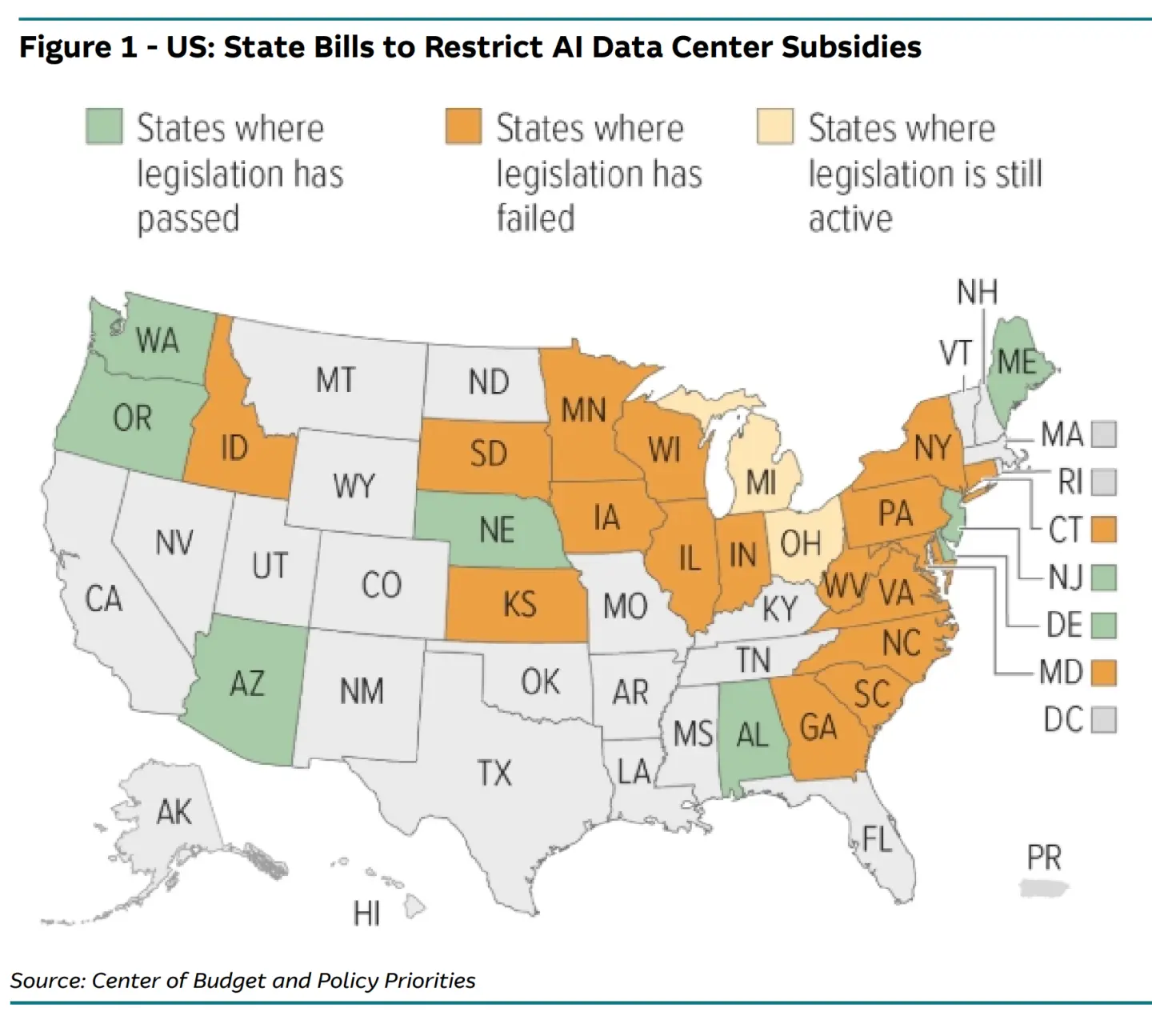
Financial engineering is no longer the only variable threatening the pace of AI infrastructure deployment. A parallel regulatory front is opening inside U.S. statehouses. Macquarie strategists Thierry Wizman and Gareth Berry warned clients this week that lawmakers are actively drafting moratoriums on new data center construction and moving to eliminate state-level subsidies for AI facilities.
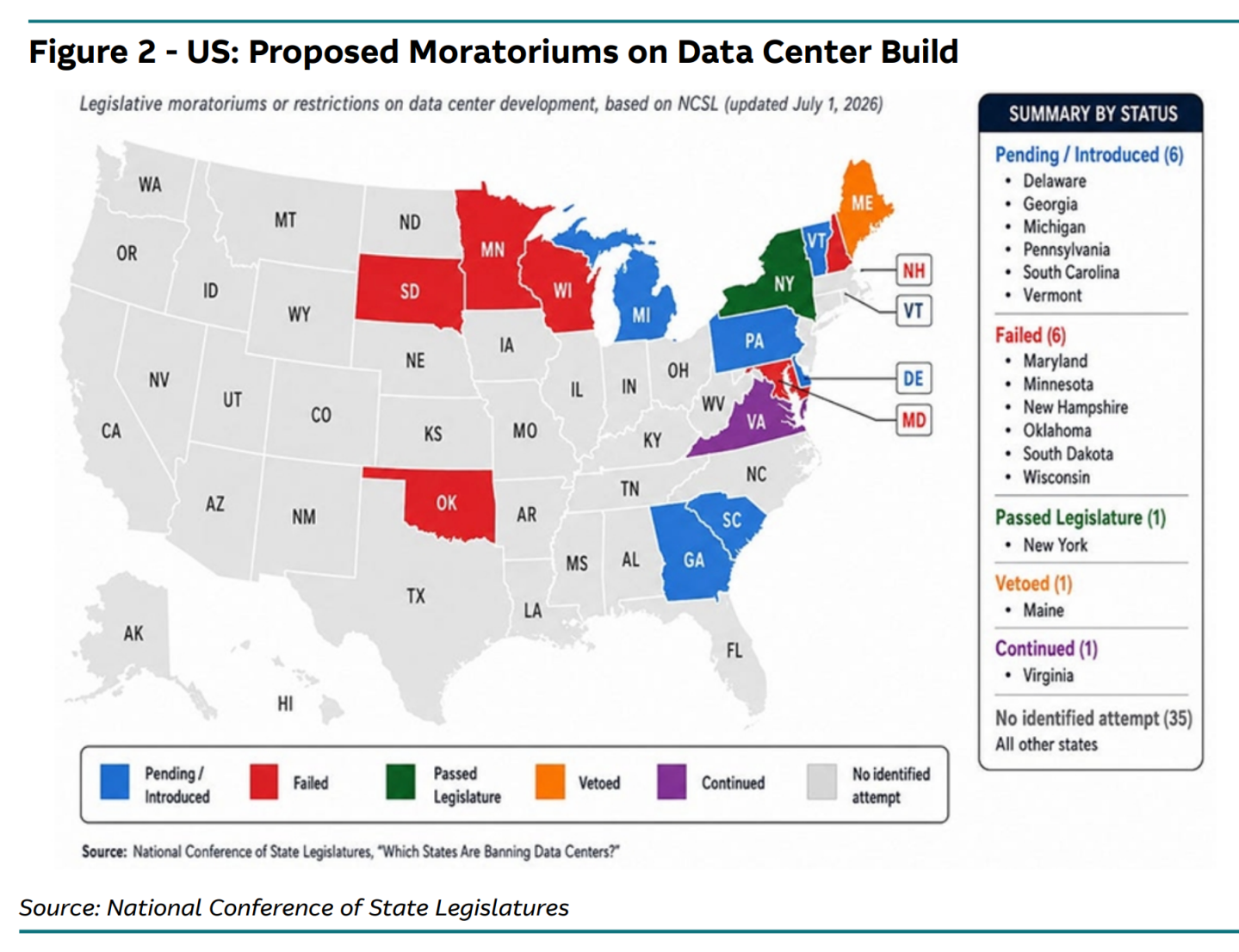
The legislative push arrives just weeks before midterm elections. Analysts note that anti-AI bills blocking local tax incentives are already queued in multiple legislatures, awaiting committee votes early next year. Data centers require immense water resources for cooling systems and draw heavily on regional power grids. As local municipalities absorb these utility costs without proportional tax benefits, bipartisan political resistance has accelerated far faster than federal AI policy frameworks.
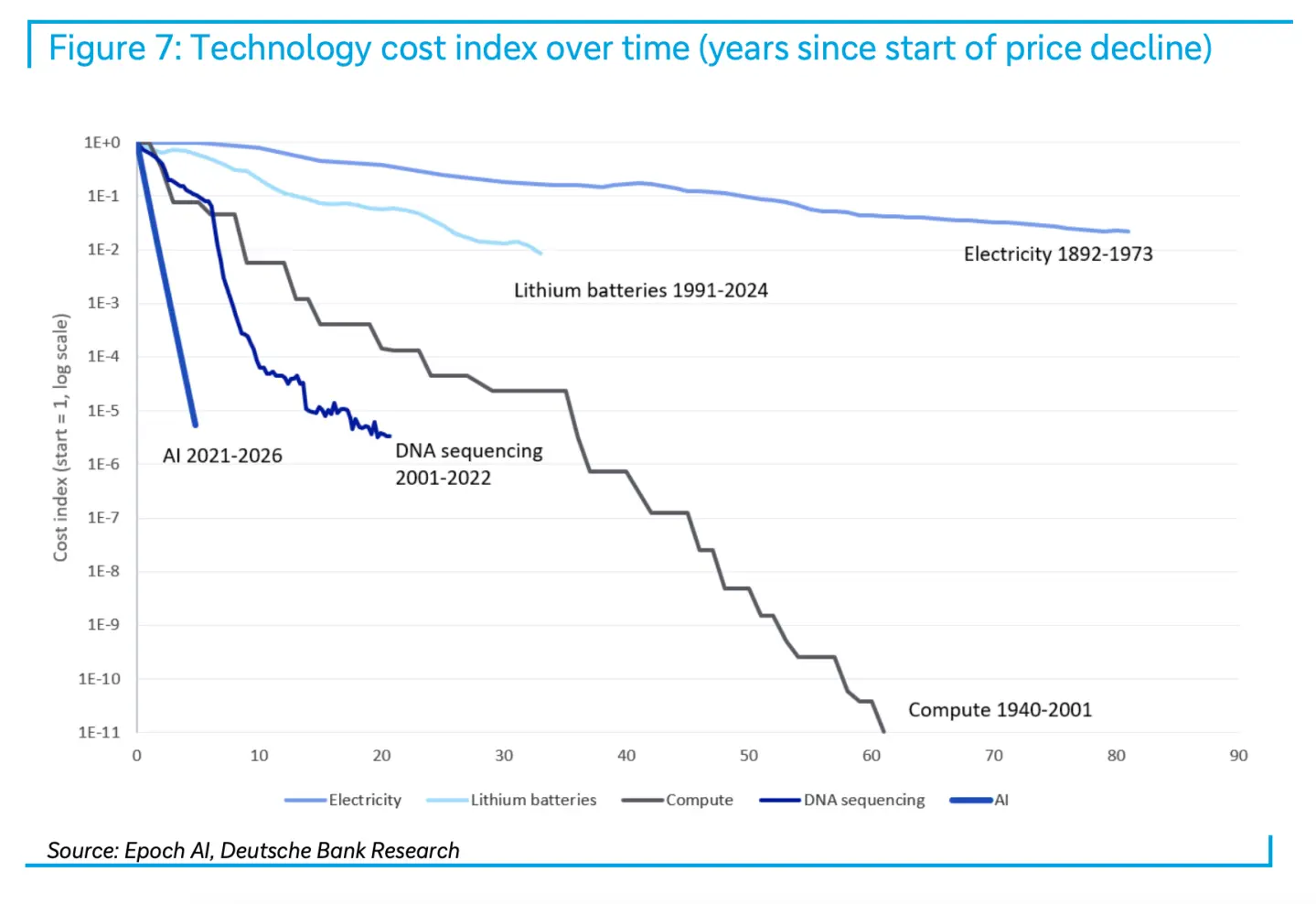
Beneath the geopolitical and financial friction, the underlying economics of machine learning continue to shift rapidly. Deutsche Bank research shows the cost of achieving a fixed level of AI performance has plummeted roughly 47% per quarter since 2023—a deflationary pace four times faster than DNA sequencing and eighteen times faster than lithium battery production. This efficiency curve creates a paradoxical pressure: algorithms become cheaper to run, but the sheer volume of compute required to maintain competitive parity forces continuous, debt-fueled hardware upgrades.
Broader economic data released Thursday reinforced the fragile environment facing high-growth technology valuations. U.S. retail sales rose 0.8% in September, but stripping out automobiles and gasoline revealed underlying growth of just 0.2%. Headline inflation accelerated to 3.7%, with energy costs accounting for more than half the monthly increase. Chris Osmond, chief investment officer at Fifth Third Wealth Advisors, cautioned that price pressures are bleeding beyond fuel pumps, complicating expectations for Federal Reserve rate cuts.
Market participants are now pricing in a prolonged pause from the central bank. Bloomberg reported Thursday that recent commentary from Kevin Warsh further cemented trader expectations that the Fed will hold interest rates steady at its late-October meeting, keeping borrowing costs elevated for capital-intensive technology firms navigating the sharpest sector rotation of the year.